


Thang Hen Lake: The Complete Travel Guide to Cao Bang's Emerald Karst Lake
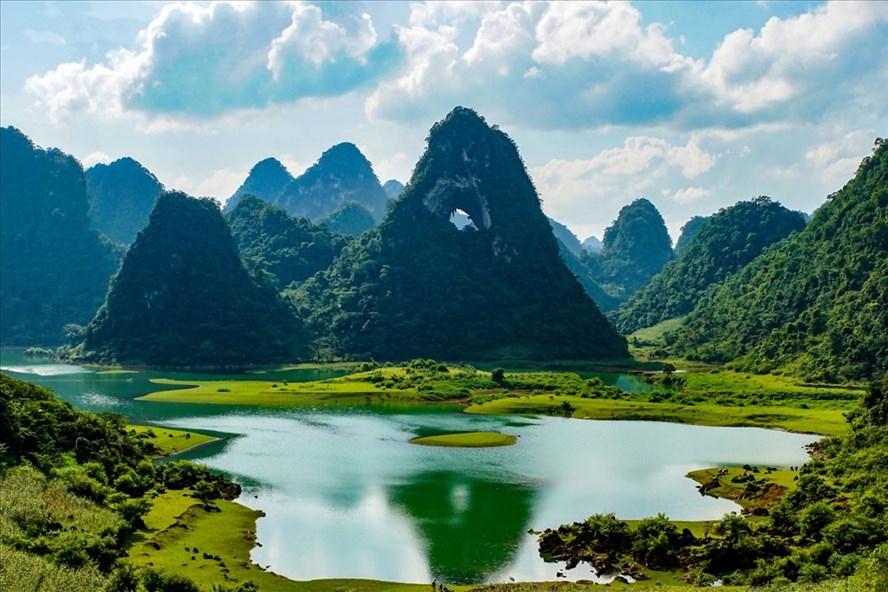
Hidden among the limestone mountains of northeastern Vietnam, Thang Hen Lake is widely regarded as one of the country's most beautiful natural lakes. Located within the UNESCO-recognized Non Nuoc Cao Bang UNESCO Global Geopark, this remarkable destination is known for its emerald-green water, peaceful mountain scenery, and unique karst landscape that attracts nature lovers throughout the year.
Unlike many mountain lakes whose appearance changes dramatically with the seasons, Thang Hen Lake is famous for maintaining its clear blue-green water for most of the year. Surrounded by forests, rocky cliffs, and quiet valleys, the lake offers a tranquil atmosphere that contrasts with the busier tourist destinations found elsewhere in Vietnam. Its combination of pristine nature, geological significance, and scenic beauty has made it one of the highlights of Cao Bang and an increasingly popular stop along the Cao Bang Loop.
This guide provides everything you need to know before visiting Thang Hen Lake, including its location, natural features, the best time to visit, activities, nearby attractions, travel tips, and practical advice. Whether you are planning a day trip or a longer journey through northern Vietnam, this article will help you understand why Thang Hen Lake is considered one of the country's most remarkable freshwater lakes and a destination worth adding to your travel itinerary.
Where Is Thang Hen Lake?
Location
Thang Hen Lake is located in Quang Uyen District, Cao Bang Province, within the Non Nuoc Cao Bang UNESCO Global Geopark. The lake lies in a region famous for its dramatic limestone mountains, dense forests, and interconnected karst lakes that have formed over millions of years through natural geological processes.
Often referred to as Thang Hen Lake Cao Bang, the destination is part of a scenic landscape that showcases the province's exceptional geological heritage. The surrounding area combines freshwater lakes, valleys, and towering limestone formations, making it one of the most distinctive examples of Cao Bang nature and one of the finest Vietnam natural attractions in Northeast Vietnam.
Distance
Thang Hen Lake is conveniently located between several of Cao Bang's best-known attractions, making it easy to include in a road trip. The lake is approximately 30 km from Cao Bang City, around 25 km from Angel Eye Mountain, and about 60 km from Ban Gioc Waterfall. Travelers coming from Hanoi should expect a journey of roughly 280–300 km, depending on the chosen route.
Because of these relatively short driving distances, many visitors combine Thang Hen Lake with other highlights along the Cao Bang Loop, creating a full-day or multi-day itinerary through the province's spectacular mountain landscape.
Map
The easiest way to find Thang Hen Lake is by using a digital navigation map before leaving Cao Bang City. The route follows well-maintained provincial roads through Quang Uyen District, passing rural villages, valleys, and limestone mountains before reaching the Thang Hen Scenic Area.
Most travelers approach the lake from Cao Bang City or continue onward to Ban Gioc Waterfall, making Thang Hen Lake a natural stop on one of the most scenic driving routes in northern Vietnam. Using an updated Thang Hen Lake map or GPS navigation helps ensure a smooth journey, particularly when exploring multiple destinations within the UNESCO Global Geopark.
Why Is Thang Hen Lake Famous?
Karst Lake System
Thang Hen Lake is famous for being part of a rare karst lake system formed within a limestone landscape. Rather than existing as a single isolated body of water, it belongs to a network of interconnected lakes created by long-term geological processes. This distinctive setting is uncommon in Vietnam and contributes to the lake's scientific and ecological importance.
The surrounding karst terrain allows water to move through underground channels, creating a dynamic freshwater environment that differs from ordinary mountain lakes. As a result, Thang Hen Lake is widely recognized as one of the most remarkable Cao Bang lakes and a highlight of the Non Nuoc Cao Bang UNESCO Global Geopark.
Emerald Water
The lake is best known for its striking emerald-green water that remains clear for most of the year. Minerals filtered through limestone formations, together with relatively clean freshwater conditions, give the lake its characteristic color. On calm days, the surface reflects the surrounding mountains and forests, creating one of the most photogenic natural landscapes in Northeast Vietnam.
The appearance of the lake changes subtly with weather, sunlight, and the seasonal water level, offering different scenery throughout the year while maintaining its peaceful atmosphere. This vivid color is one of the main reasons Thang Hen Lake Vietnam is increasingly featured in travel photography and guides highlighting the best lakes in Vietnam.
Limestone Landscape
Towering limestone mountains surround Thang Hen Lake, creating one of the most dramatic mountain landscapes in Cao Bang. Steep cliffs rise directly from the shoreline, while forests and small valleys soften the rugged karst terrain. The contrast between gray limestone peaks and the emerald water creates scenery that is both visually impressive and ecologically diverse.
This landscape also makes the lake attractive for outdoor activities such as walking, photography, boat trips, and kayaking. Unlike many developed tourist areas, the natural setting remains relatively quiet, allowing visitors to experience the scenery without extensive urban development. The combination of an emerald lake, limestone formations, and surrounding vegetation defines the character of Thang Hen Lake.
Geological Value
Thang Hen Lake has significant geological value because it illustrates the evolution of a karst landscape over millions of years. The lake, surrounding limestone mountains, sinkholes, underground waterways, and rock formations together demonstrate the natural processes that shaped the region's distinctive terrain.
Its location within the Non Nuoc Cao Bang UNESCO Global Geopark highlights the area's international geological importance. Researchers and visitors alike can observe how water and limestone interact to form interconnected lakes and other karst features, making Thang Hen Lake not only a scenic destination but also an outstanding example of Vietnam's geological heritage and one of the country's most valuable natural landscapes.
History of Thang Hen Lake
Meaning of the Name
The name "Thang Hen" is commonly associated with local ethnic folklore and traditional storytelling. According to the most widely shared explanation, the name originates from a legend about a young couple whose reunion was delayed, giving rise to the phrase "Thang Hen," which is often interpreted as "late return" or "delayed meeting." Although different versions of the story exist among local communities, the name has remained closely connected with the lake for generations.
Today, the name Thang Hen Lake reflects both the area's cultural identity and its long-standing place in the traditions of the ethnic groups living in Cao Bang.
Formation
Thang Hen Lake was formed through natural karst processes over millions of years. As limestone rocks gradually dissolved under the influence of rainwater and underground water, depressions, sinkholes, and interconnected waterways developed across the region. Over time, these geological processes created a network of freshwater lakes, including Thang Hen.
The lake's formation is closely linked to the broader karst system found within the Non Nuoc Cao Bang UNESCO Global Geopark. Scientists consider it an important example of how limestone landscapes evolve, providing valuable evidence of long-term geological change in Northeast Vietnam.
Local Legends
Several local legends are associated with Thang Hen Lake, although they differ between communities. The best-known story tells of a young man who became separated from his loved one after unexpectedly spending several days away from home. His delayed return became the inspiration for the lake's name and has been passed down through oral tradition for generations.
Like many Vietnamese folk tales, these legends are cultural narratives rather than verified historical accounts. They remain an important part of local heritage, reflecting traditional beliefs, family values, and the storytelling customs of the ethnic communities living around the lake.
Tourism Development
Tourism at Thang Hen Lake has developed gradually alongside the growth of Cao Bang as a nature-based travel destination. Improved road access, greater recognition of the Non Nuoc Cao Bang UNESCO Global Geopark, and increasing interest in eco-tourism have introduced the lake to more domestic and international visitors.
Rather than becoming a large-scale resort destination, Thang Hen Lake has largely developed through community-based tourism and small visitor facilities. Current tourism focuses on outdoor recreation, environmental conservation, and responsible travel, helping preserve the geological and cultural significance of the area while supporting local livelihoods.
What to Expect at Thang Hen Lake
Lake Area
Visitors can expect a peaceful natural environment centered around a freshwater karst lake surrounded by limestone terrain. The main visitor area includes viewpoints, open spaces near the shoreline, and access points for exploring the lake. Unlike heavily commercialized attractions, Thang Hen Lake retains a relatively simple layout, allowing travelers to focus on the natural setting rather than entertainment facilities.
The surrounding Thang Hen Scenic Area is suitable for travelers seeking a slower pace, whether spending an hour at the lake or combining the visit with other destinations in Cao Bang.
Boat Ride
A boat ride offers one of the best ways to experience Thang Hen Lake from the water. Small boats operate on suitable weather days, allowing visitors to view the surrounding limestone formations and observe the lake from a different perspective. The calm freshwater surface usually provides a comfortable experience for sightseeing and photography.
A Thang Hen Lake boat ride is particularly popular with travelers interested in appreciating the geological setting without hiking long distances. Boat availability may vary depending on weather conditions and local operating arrangements.
Walking Paths
Walking paths allow visitors to explore different sections of the lake at a relaxed pace. Short trails connect viewpoints, shoreline areas, and resting spots, making it easy to enjoy the surroundings without requiring advanced hiking skills. Most routes are suitable for casual walking, though some sections may include uneven natural ground.
These paths also make it convenient to pause for observation, enjoy a picnic in designated areas, or simply experience the quiet atmosphere that characterizes this part of the UNESCO Global Geopark.
Photography
Thang Hen Lake provides excellent opportunities for landscape photography throughout the day. Reflections on the water, changing light conditions, limestone mountains, and seasonal vegetation create varied compositions for both amateur and professional photographers. Morning and late afternoon generally provide softer natural light, while calm weather often produces clearer reflections on the lake.
Visitors using drones should check current local regulations before flying, particularly within protected natural areas or near other visitors.
Accessibility
Thang Hen Lake is accessible by road, but some planning helps ensure a comfortable visit. Most travelers arrive by private car, motorbike, or organized tour from Cao Bang City, using provincial roads that connect the lake with nearby attractions. Parking is generally available near the main entrance area.
Once on site, visitors should expect a combination of paved surfaces and natural walking paths. While many areas are easy to reach, certain lakeside sections include steps or uneven terrain, so accessibility may be limited for wheelchair users or travelers with reduced mobility. Comfortable walking shoes are recommended, especially after rainfall when some paths can become slippery.
Opening Hours & Entrance Fee
Opening Hours
Thang Hen Lake is generally open to visitors daily during daylight hours. Most travelers arrive between 7:00 AM and 5:30 PM, when visitor facilities and local services are normally available. Early arrival is recommended for a quieter experience and comfortable temperatures, while late afternoon also offers pleasant conditions for walking and sightseeing.
Because operating hours may occasionally change due to local management or special events, it is advisable to confirm the latest Thang Hen Lake opening hours before your visit, especially during public holidays.
Ticket Price
An entrance ticket is required to access the Thang Hen Scenic Area. At the time of writing, the standard Thang Hen Lake entrance fee is around VND 30,000 per adult, while separate charges may apply for optional services such as boat rides, parking, or other activities offered within the site.
As admission policies can be updated by the site management, visitors should verify the latest ticket prices before traveling. Carrying cash is also recommended, as payment options may vary depending on the available facilities.
Best Visiting Time
The best time to visit Thang Hen Lake is during the morning or late afternoon. These periods usually provide softer natural light, a more comfortable environment for walking, and better conditions for photography. They are also popular times for enjoying a Thang Hen Lake boat ride or exploring the lakeside trails at a relaxed pace.
If you plan to combine Thang Hen Lake with nearby attractions such as Angel Eye Mountain or Ban Gioc Waterfall, starting your day early allows enough time to travel between destinations without rushing.
How to Get to Thang Hen Lake
From Cao Bang City
The easiest way to get to Thang Hen Lake is by road from Cao Bang City. The journey covers approximately 30 km and usually takes around 45–60 minutes, depending on traffic and road conditions. The route follows provincial roads through Quang Uyen District, passing rural villages and limestone valleys before reaching the Thang Hen Scenic Area.
Travelers can use GPS or an updated Thang Hen Lake map for navigation. Direction signs are available along much of the route, making the lake relatively easy to reach for independent visitors.
From Angel Eye Mountain
Thang Hen Lake is a convenient stop after visiting Angel Eye Mountain. The distance between the two attractions is about 25 km, with a driving time of roughly 35–45 minutes. Many travelers include both destinations in the same day because they are connected by scenic mountain roads and located within the UNESCO Global Geopark.
The route is suitable for private vehicles and motorbikes, allowing visitors to continue directly from Angel Eye Mountain to Thang Hen Lake without returning to Cao Bang City.
By Motorbike
Traveling by motorbike offers the greatest flexibility for visiting Thang Hen Lake. The roads leading to the lake are generally paved and suitable for most motorcycles, although riders should take extra care on winding mountain sections and after rainfall when road surfaces may become slippery.
Fuel stations are available before reaching the lake, but services become less frequent in rural areas. Wearing proper safety equipment and checking the weather forecast before departure are recommended for a comfortable journey.
By Tour
Joining an organized tour is the most convenient option for travelers who prefer a planned itinerary. Many local operators offer day trips or multi-day tours that include Thang Hen Lake alongside nearby attractions such as Angel Eye Mountain, Ban Gioc Waterfall, or other highlights of the UNESCO Global Geopark.
A guided tour usually includes transportation, route planning, and local insights, making it a practical choice for first-time visitors. This option also removes the need to navigate unfamiliar mountain roads while ensuring enough time to explore Thang Hen Lake as part of a well-organized schedule.
Best Time to Visit Thang Hen Lake
Dry Season
The dry season is generally considered the best time to visit Thang Hen Lake. Stable weather and clearer skies often provide better visibility for sightseeing, walking, and outdoor activities. Road conditions are usually more predictable, making travel from Cao Bang City or nearby attractions easier for both cars and motorbikes.
The lake's water typically remains clear during this period, allowing visitors to fully appreciate its characteristic emerald color. Calm conditions also make activities such as a Thang Hen Lake boat ride or Thang Hen Lake kayaking more enjoyable.
Rainy Season
Thang Hen Lake can still be visited during the rainy season, although weather conditions are less predictable. Rainfall may affect visibility, road surfaces, and water levels within the surrounding karst system. Travelers should check the local forecast before departure and allow extra travel time if roads are wet.
Despite these conditions, the lake remains open to visitors, and the surrounding vegetation becomes particularly lush. Flexible travel plans and appropriate rain gear help ensure a comfortable visit during periods of unsettled weather.
Morning
Morning is the ideal time to visit Thang Hen Lake for sightseeing and photography. Cooler temperatures and softer sunlight create comfortable conditions for exploring the lakeside walking paths. The water is often calmer in the early hours, producing clearer reflections of the surrounding limestone mountains.
Arriving in the morning also allows visitors to enjoy the lake before larger tour groups arrive and leaves sufficient time to continue to nearby destinations such as Angel Eye Mountain or Ban Gioc Waterfall.
Afternoon
Afternoon offers a relaxed atmosphere and warm natural light for exploring Thang Hen Lake. As the sun begins to lower, changing light conditions create different perspectives across the lake and surrounding landscape, making this another popular time for photography.
Visitors planning a shorter trip often choose the afternoon after exploring other attractions in Quang Uyen District. However, it is advisable to allow enough time to return before dark, particularly when traveling by motorbike through mountain roads.
Things to Do at Thang Hen Lake
Boat Ride
A boat ride is one of the most popular activities at Thang Hen Lake. Exploring the lake by boat allows visitors to experience the surrounding karst landscape from the water while enjoying unobstructed views of the limestone mountains and forested shoreline. The calm freshwater surface makes the journey comfortable for most travelers.
A Thang Hen Lake boat ride is also an excellent way to appreciate the scale of the lake and observe how the surrounding geological formations shape the landscape. Boat services are operated locally and may vary depending on weather and water conditions.
Kayaking
Kayaking offers a more active way to explore Thang Hen Lake at your own pace. Paddling across the calm water allows visitors to move quietly through the lake while enjoying close views of the surrounding natural environment. The experience appeals to travelers who prefer outdoor activities with minimal environmental impact.
Depending on local service availability, Thang Hen Lake kayaking can be a rewarding option for individuals, couples, or small groups. As with any water activity, wearing a life jacket and following local safety instructions is recommended.
Photography
Thang Hen Lake is one of the best photography locations in Cao Bang. The combination of emerald water, limestone mountains, forests, and changing natural light provides a wide variety of landscape compositions throughout the day. Reflections on the lake often become especially clear when the water is calm.
Photographers can capture panoramic views, shoreline details, and seasonal changes without traveling far from the main visitor area. The relatively undeveloped surroundings also make it easier to photograph natural scenery with minimal visual distractions.
Nature Walk
Walking around parts of Thang Hen Lake is an enjoyable way to experience the area's natural environment. Short walking paths lead visitors through lakeside areas and nearby woodland, providing opportunities to observe local vegetation, rock formations, and the distinctive karst landscape of the UNESCO Global Geopark.
The routes are suitable for most visitors with a moderate level of fitness. Comfortable footwear is recommended, particularly after rainfall when some natural sections may become uneven or slippery.
Picnic
A picnic is a relaxing way to spend more time at Thang Hen Lake. Open spaces near the lakeshore provide suitable places to rest, enjoy light refreshments, and appreciate the peaceful surroundings. Many visitors choose to take a break here before continuing to other attractions in the region.
To help preserve Cao Bang nature, visitors should collect all rubbish, avoid disturbing local wildlife, and follow any regulations within the Thang Hen Scenic Area. Practicing responsible tourism ensures that Thang Hen Lake remains a clean and enjoyable destination for future visitors.
Nearby Attractions
Angel Eye Mountain
Angel Eye Mountain is one of the closest attractions to Thang Hen Lake and is famous for its natural hole through the limestone peak. Located within the Non Nuoc Cao Bang UNESCO Global Geopark, it has become one of the most recognizable landmarks in the province. Many travelers combine Thang Hen Lake with Angel Eye Mountain on the same journey because the two destinations are connected by scenic mountain roads and are relatively close to each other.
Ma Phuc Pass
Ma Phuc Pass is a well-known mountain pass that serves as a gateway to many attractions in eastern Cao Bang. The winding road passes through limestone mountains and rural landscapes, making it a memorable part of the drive rather than simply a transportation route. Visitors traveling between Cao Bang City and Thang Hen Lake often cross this pass before continuing toward Quang Uyen District and other nearby destinations.
Phong Nam Valley
Phong Nam Valley is a peaceful rural area known for its traditional villages, rice fields, and mountain scenery. Located not far from Thang Hen Lake, the valley offers a different perspective on Cao Bang nature, with agricultural landscapes replacing the karst lakes found elsewhere in the region. It is frequently included in photography trips and road journeys through northeastern Vietnam.
Ban Gioc Waterfall
Ban Gioc Waterfall is one of Vietnam's most iconic natural attractions and is located about 60 km from Thang Hen Lake. As one of the largest transnational waterfalls in Asia, it attracts visitors from around the world and is considered a highlight of any trip to Cao Bang. Because of the convenient driving distance, many travelers visit Thang Hen Lake and Ban Gioc Waterfall during the same day or as part of a multi-day itinerary exploring the UNESCO Global Geopark.
Travel Tips
Shoes
Comfortable walking shoes are the best choice for visiting Thang Hen Lake. Although the main visitor areas are easy to access, some walking paths include natural surfaces, stone steps, and uneven ground. Shoes with good grip provide better stability, especially if the paths are damp after rainfall.
Clothing
Light, comfortable clothing is suitable for most visits to Thang Hen Lake. Breathable fabrics help during outdoor activities, while a lightweight jacket is useful for cooler mornings or late afternoons. A hat and sunscreen are also recommended, as parts of the lakeside have limited shade during the middle of the day.
Photography
Natural light plays an important role in photographing Thang Hen Lake. Early morning and late afternoon generally provide softer lighting and reduce harsh shadows across the water and surrounding limestone landscape. Bringing a wide-angle lens is useful for landscape photography, while a polarizing filter can help reduce glare on the lake's surface. Spare batteries and memory cards are recommended, particularly if you plan to visit several nearby attractions on the same day.
Safety
Following basic outdoor safety practices helps ensure an enjoyable visit. Stay on designated walking paths where possible and avoid climbing on steep limestone rocks or entering the water outside approved activity areas. Visitors joining a Thang Hen Lake boat ride or kayaking activity should always wear the provided life jacket and follow instructions from local operators. Weather conditions can change in mountain areas, so checking the forecast before departure is advisable.
Children
Thang Hen Lake is suitable for families when children are supervised appropriately. The peaceful environment and short walking routes make the destination accessible for many age groups, but young children should remain under adult supervision near the shoreline and on natural trails. Bringing drinking water, light snacks, and sun protection will help keep younger visitors comfortable throughout the trip.
Common Mistakes to Avoid
Wearing Unsuitable Shoes
Wearing sandals or shoes with poor grip is a common mistake when visiting Thang Hen Lake. Although the main visitor areas are relatively accessible, some walking paths include uneven ground, stone steps, and natural surfaces. Comfortable walking shoes with non-slip soles provide better stability and reduce the risk of slipping.
Visiting at Midday
Arriving at midday often results in a less comfortable experience. Higher temperatures and stronger sunlight can make walking less enjoyable, while harsh light may reduce the quality of landscape photography by creating stronger shadows and reflections on the water. Planning your visit earlier or later in the day generally offers more pleasant conditions.
Ignoring Changing Weather
Mountain weather can change quickly, so checking the forecast before departure is important. Sudden rain may affect road conditions, walking trails, and visibility around Thang Hen Lake. Bringing a lightweight rain jacket and allowing extra travel time helps visitors adapt to unexpected weather without disrupting their plans.
Flying Drones Without Permission
Flying a drone without permission may violate local regulations. Before operating a drone at Thang Hen Lake, visitors should confirm whether flights are permitted and respect any restrictions that apply within protected natural areas. Responsible drone use also means avoiding disturbance to wildlife and maintaining a safe distance from other visitors.
Leaving Litter Behind
Leaving litter is one of the most harmful impacts visitors can have on the natural environment.Thang Hen Lake is valued for its clean freshwater ecosystem and protected karst landscape, and preserving these qualities depends on responsible tourism. Visitors should dispose of waste properly, avoid single-use plastics whenever possible, and leave the area in the same condition they found it to help protect this important natural attraction for future generations.
Conclusion
Thang Hen Lake is one of the most rewarding natural destinations in northern Vietnam, offering visitors the opportunity to experience a rare karst lake within the Non Nuoc Cao Bang UNESCO Global Geopark. Its geological significance, peaceful atmosphere, and range of outdoor activities make it a standout stop for travelers interested in nature, photography, and eco-tourism.
Whether you plan to enjoy a boat ride, explore the walking paths, or simply spend time beside the emerald water, Thang Hen Lake provides a quieter alternative to many of Vietnam's more heavily visited attractions. Preparing in advance by checking the weather, wearing suitable footwear, and allowing enough time to explore will help you make the most of your visit.
If you are planning a journey through Cao Bang, consider adding Thang Hen Lake to your itinerary alongside nearby landmarks such as Angel Eye Mountain, Ma Phuc Pass, and Ban Gioc Waterfall. With thoughtful preparation and responsible travel, Thang Hen Lake offers an authentic experience of one of Vietnam's most remarkable natural landscapes.