


Pac Bo Cao Bang: Complete Guide to Vietnam's Historic Revolutionary Site
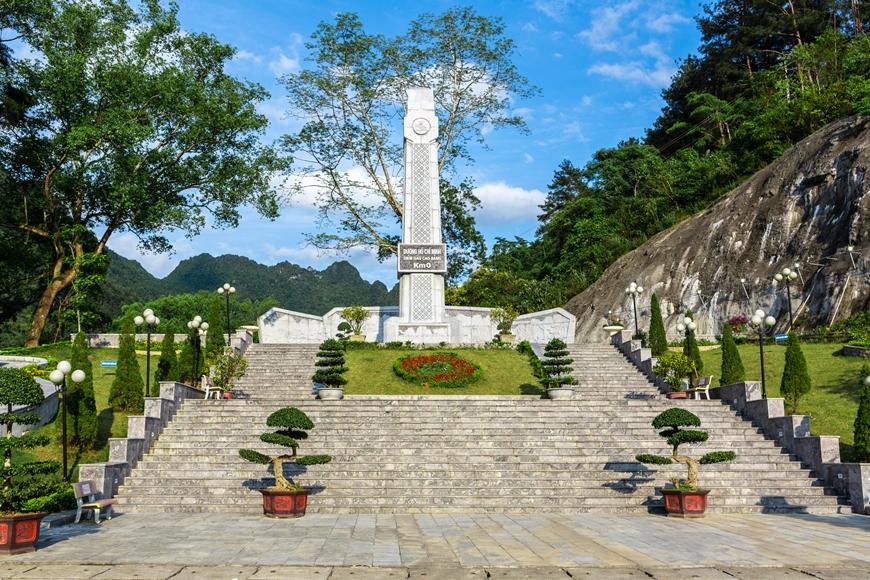
Pac Bo Cao Bang is one of Vietnam's most significant historical destinations, where national heritage and natural scenery come together in a single landscape. For many visitors, it offers more than a place to sightsee—it provides a deeper understanding of the events that shaped modern Vietnam while showcasing the quiet beauty of the country's northeastern mountains.
The site is closely associated with President Ho Chi Minh, who returned to Vietnam here in 1941 after decades abroad. That moment marked an important turning point in the Vietnamese revolution, making Pac Bo a place of lasting historical importance. Today, it has been recognized as the Pac Bo Special National Monument, preserving both its revolutionary legacy and its cultural value for future generations.
Beyond its historical significance, Pac Bo Cao Bang is known for its clear streams, limestone mountains, and peaceful forest setting that create an atmosphere well suited to historical tourism and educational travel. This guide explains the site's historical background, its most important landmarks, practical visitor information, recommended experiences, nearby attractions, and useful travel tips to help you plan a meaningful visit while exploring Cao Bang and the wider Northeast Vietnam region.
Where Is Pac Bo Cao Bang?
Location
Pac Bo Cao Bang is located in Truong Ha Commune, Ha Quang District, in the northern part of Cao Bang Province, Northeast Vietnam. The historical site lies within a mountainous limestone landscape close to the Vietnam–China border, surrounded by forests, streams, and rural villages inhabited mainly by the Tay and Nung ethnic people. Today, the area is managed as the Pac Bo Special National Monument, an important national heritage site that welcomes both domestic and international visitors.
Distance From Major Locations
Pac Bo is approximately 50 km north of Cao Bang City, with a driving time of around 1 to 1.5 hours, depending on road conditions. From Hanoi, the journey covers roughly 280–300 km and usually takes 6–7 hours by road, followed by the final drive from Cao Bang City to the monument. If you are already visiting Ban Gioc Waterfall, Pac Bo is about 95–100 km away, making it a practical stop on a two- or three-day Cao Bang itinerary or a longer Cao Bang Loop route.
Nearest Airport
Noi Bai International Airport (HAN) in Hanoi is the nearest major airport serving travelers to Pac Bo. Cao Bang currently has no commercial airport, so all visitors continue their journey by road after arriving in Hanoi. Many international travelers choose to spend a night in the capital before taking a bus, limousine, or private transfer to Cao Bang, while domestic visitors often combine the trip with other destinations in Northeast Vietnam.
How to Get There
There are several convenient ways to reach Pac Bo Cao Bang. Overnight coach buses and limousine services operate daily between Hanoi and Cao Bang City, providing the most popular public transport options. Travelers who prefer flexibility can drive a private car or rent a motorbike, especially if they plan to explore multiple destinations across the province. Another convenient choice is joining a local guided tour, which typically includes transportation, a guide, and visits to other attractions in Cao Bang without requiring independent route planning.
The Historical Story of Pac Bo
What Does “Pac Bo” Mean?
Pac Bo comes from the Tay language and is commonly understood to mean “the source” or “the mouth of a spring.” The name reflects the area's natural geography, where streams emerge from the surrounding limestone mountains before flowing through narrow valleys. Long before it became known as a revolutionary site, the name described a distinctive landscape shaped by water, forests, and rugged terrain that remains characteristic of northern Cao Bang today.
President Ho Chi Minh's Return in 1941
On 28 January 1941, President Ho Chi Minh returned to Vietnam after more than 30 years of revolutionary activities abroad. Crossing into the country through the area near Milestone 108, he entered Cao Bang and soon established his first base in the region. His return marked an important turning point in the history of the Vietnamese revolution, as it allowed him to direct revolutionary activities from within Vietnam after decades of working overseas.
Why Pac Bo Was Chosen
Pac Bo was selected as a revolutionary base because of its strategic advantages rather than its size or accessibility. Its remote location, proximity to the international border, and mountainous terrain provided natural protection while allowing communication across the frontier when necessary. The surrounding valleys and forests also supported discreet movement, and the support of local communities—particularly the Tay and Nung ethnic people—helped create favorable conditions for organizing and expanding revolutionary activities in Northeast Vietnam.
Life and Work at Pac Bo
Life at Pac Bo was deliberately simple. Ho Chi Minh worked from a small cave, using modest facilities while translating political documents, preparing strategic plans, and directing revolutionary movements. During this period, he focused on strengthening local organizations, training cadres, and laying the foundations for a broader revolutionary base. The modest working conditions later became a symbol of discipline, determination, and practical leadership during a critical stage of Vietnam's modern history.
Historical Recognition
Today, Pac Bo Cao Bang is recognized as one of Vietnam's most important historical landmarks. The area has been designated the Pac Bo Special National Monument, reflecting its outstanding role in the country's revolutionary history and national heritage. Beyond preserving historical sites, the monument serves as an important destination for historical tourism and educational travel, offering visitors a deeper understanding of the events, people, and decisions that influenced the development of modern Vietnam while helping preserve these values for future generations.
Main Historical Sites at Pac Bo
Coc Bo Cave
Coc Bo Cave is the most historically significant location within Pac Bo Cao Bang, as it served as the living and working place of President Ho Chi Minh during the early period after his return to Vietnam. The cave is modest in size, reflecting the simple conditions in which he carried out daily work. Inside, several preserved features help illustrate this period without extensive reconstruction, allowing visitors to understand the practical environment where important decisions and preparations for the Vietnamese revolution took place.
Lenin Stream
Flowing beside the historical site, Lenin Stream was named by Ho Chi Minh after the revolutionary leader Vladimir Lenin. The stream is well known for its exceptionally clear water, which often appears emerald or turquoise under natural light because of the limestone geology. Beyond its natural beauty, the stream forms an integral part of the Pac Bo historical site, connecting several important landmarks and creating the peaceful setting that surrounds the preserved revolutionary area today.
Karl Marx Mountain
Rising opposite Lenin Stream, Karl Marx Mountain completes one of the best-known landscapes in Pac Bo Vietnam. Ho Chi Minh gave the mountain its symbolic name to accompany Lenin Stream, reflecting the political ideals that influenced the revolutionary movement during that period. The limestone peak also defines the surrounding scenery, creating a distinctive natural backdrop that has become closely associated with photographs, historical records, and the identity of the Pac Bo revolutionary site.
The Stone Table
Near the stream stands a simple stone table, formed naturally from limestone and used by Ho Chi Minh as a workplace. Here he read documents, translated materials, and prepared plans while living in Pac Bo. The table later became closely associated with the poem "Tức cảnh Pác Bó," particularly the line, "Bàn đá chông chênh dịch sử Đảng" ("On the uneven stone table, I translate Party history"). Today, the stone table remains a powerful symbol of perseverance, modest living, and intellectual work carried out under challenging conditions.
Milestone 108
Milestone 108 marks an important section of the Vietnam–China border connected with Ho Chi Minh's return to the country in January 1941. Although the original crossing route has great historical significance, visitors should note that border areas are managed under current security regulations, and direct access to the exact milestone may be restricted or vary depending on official policies. Most tours introduce its historical importance through designated viewpoints or interpretation rather than unrestricted access to the border marker itself.
Ho Chi Minh Memorial Temple
The Ho Chi Minh Memorial Temple provides a quiet place for remembrance within the Pac Bo Special National Monument. Designed in a dignified architectural style that harmonizes with the surrounding mountains, the temple is where visitors pay their respects to President Ho Chi Minh before or after exploring the historical sites. As this is an active memorial space, respectful behavior is expected. Speaking quietly, dressing appropriately, and following posted guidelines help preserve the solemn atmosphere for all visitors.
The Natural Landscape of Pac Bo
Limestone Mountains
The landscape of Pac Bo Cao Bang is defined by limestone mountains that rise above narrow valleys, creating one of the characteristic geological settings of Northeast Vietnam. Steep cliffs, forested slopes, and natural rock formations surround the historical site, while the valleys provide open spaces between the mountain ranges. This combination of karst terrain and dense vegetation gives the area a distinctive appearance that reflects the broader landscape found across northern Cao Bang.
Forest and Vegetation
Much of the surrounding area is covered by native forest and diverse vegetation that supports the local ecosystem. Trees, bamboo, shrubs, and seasonal wild plants soften the rocky terrain and create a green environment throughout much of the year. While the overall landscape remains consistently natural, its appearance changes gradually with the seasons as foliage becomes denser during the rainy months and more open during the cooler, drier period.
Clear Streams
Pac Bo is also known for its network of clear headwater streams that flow through the limestone valleys. Naturally filtered by the surrounding karst formations, the water is remarkably transparent and contributes to the peaceful atmosphere of the area. These spring-fed waterways are closely connected with the meaning of the name "Pac Bo," which refers to "the source" or "the mouth of a spring" in the Tay language, highlighting the relationship between the landscape and its traditional place name.
A Quiet Border Landscape
Beyond its geological features, Pac Bo Vietnam retains the calm character of a rural border region. Small villages of the Tay and Nung ethnic people are scattered among the valleys, where agriculture and traditional lifestyles continue to shape everyday life. The absence of large-scale urban development allows the area to preserve a peaceful atmosphere, offering visitors a glimpse of the cultural landscape that has long been part of northern Cao Bang.
Best Time to Visit Pac Bo
Spring: February to April
Spring is one of the most pleasant seasons to visit Pac Bo Cao Bang. Temperatures are generally mild, making it comfortable to explore the monument on foot. Wildflowers and fresh greenery begin to appear across the surrounding valleys, while humidity remains moderate compared with the summer months. As this period includes local holidays and the start of the travel season, visitor numbers may increase, particularly on weekends and public holidays.
Summer: May to August
Summer brings warmer temperatures, with daytime conditions often ranging between 28°C and 34°C. This is also the rainy season in Cao Bang, so short but heavy showers are common. Increased rainfall keeps streams full and surrounding vegetation lush, but wet conditions can make walking paths and stone surfaces slippery. Checking the weather forecast before departure is recommended during this period.
Autumn: September to November
Autumn is widely considered the best time to visit Pac Bo. Cooler temperatures, lower humidity, and reduced rainfall create comfortable conditions for sightseeing. Clear skies often improve visibility across the limestone landscape, while stable weather makes travel more predictable. For visitors planning a broader Cao Bang itinerary, this season also offers favorable conditions for exploring other destinations throughout the province.
Winter: December to January
Winter is noticeably colder, especially during the early morning and late afternoon. Temperatures can fall below 10°C on some days, and mist is common around sunrise, occasionally reducing visibility. Dressing in warm layers is generally sufficient, as conditions often become milder later in the day. The cool weather creates a quiet atmosphere without significantly affecting access to the historical site.
Best Time of Day
Morning is generally the most comfortable time to explore Pac Bo Vietnam. Softer natural light enhances visibility, temperatures are cooler, and the site is often less crowded than later in the day, especially during peak travel seasons. Arriving early also provides a more peaceful setting, allowing visitors to experience the monument before larger tour groups typically begin to arrive.
Things to Do at Pac Bo
Follow the Historical Trail
One of the best ways to explore Pac Bo Cao Bang is by following the designated historical trail through the monument. Clearly marked pathways connect the site's major landmarks in a logical order, allowing visitors to observe preserved features and understand how the area functioned during an important period of the Vietnamese revolution. Reading the interpretive signs along the route provides valuable context without requiring extensive historical knowledge beforehand.
Visit Coc Bo Cave
A visit to Coc Bo Cave offers a close look at one of the site's most carefully preserved spaces. The cave remains modest in size, encouraging visitors to move quietly and observe its original setting rather than treating it as a typical sightseeing stop. Spending a few moments inside allows visitors to appreciate the simplicity of the environment while respecting the site's historical significance and preservation efforts.
Walk Along Lenin Stream
Walking beside Lenin Stream is one of the most peaceful experiences within the monument. Well-maintained paths follow the clear water through the surrounding forest, providing opportunities to observe reflections, limestone scenery, and the natural sound of flowing water. Visitors should remain on designated walkways and keep a safe distance from the stream's edge, particularly after rainfall when rocks and pathways may become slippery.
Pay Respect at the Memorial Temple
The Ho Chi Minh Memorial Temple serves as a place for quiet reflection and remembrance. Many visitors choose to offer incense before continuing their visit through the historical site. Wearing modest clothing, speaking softly, and following local customs help maintain the respectful atmosphere. As an active memorial rather than simply a tourist attraction, the temple is best experienced with appropriate etiquette throughout the visit.
Learn Through Exhibits and Interpretation
Interpretive displays throughout Pac Bo Vietnam help explain the site's historical importance in a clear and accessible way. Information panels provide background on important locations, while preserved artifacts add context to the monument's story. Visitors who join a guided tour can benefit from additional explanations and historical interpretation, making the experience particularly valuable for educational travel and for those unfamiliar with Vietnam's modern history.
Experience Local Border Culture
The villages surrounding Pac Bo Cao Bang are home primarily to the Tay and Nung ethnic people, whose traditions remain an important part of the region's cultural identity. Visitors may observe traditional wooden houses, agricultural activities, and everyday life in the border area. Respectful interaction, asking permission before photographing people, and supporting local customs contribute to a positive cultural exchange while helping preserve the character of these long-established communities.
Nearby Attractions
Kim Dong Historical Site
Located about 15 km from Pac Bo Cao Bang, the Kim Dong Historical Site commemorates Kim Dong (Nông Văn Dền), a young member of the revolutionary movement remembered for his role in protecting communication networks during the early resistance period. The site includes a memorial area, monument, and interpretive displays that introduce his story. It is a meaningful stop for visitors interested in Vietnam's modern history and can easily be combined with a visit to Pac Bo in the same day.
Cao Bang City
Approximately 50 km south of Pac Bo, Cao Bang City serves as the province's transportation, accommodation, and dining hub. Most travelers begin or end their journey here, where they can find hotels, homestays, restaurants, and local markets. The city is also a good place to sample regional specialties such as bánh cuốn Cao Bằng, phở chua, and roasted duck dishes. Its central location makes it a practical base for exploring multiple destinations across the province.
Thang Hen Lake
About 65–70 km from Pac Bo, Thang Hen Lake is a scenic mountain lake surrounded by limestone peaks and forested hills within the Non Nuoc Cao Bang UNESCO Global Geopark. The calm water and natural setting make it a popular stop for travelers seeking a quieter landscape beyond the province's historical sites. Because of its location, the lake is often included in a Cao Bang itinerary alongside Pac Bo and other nearby attractions.
Angel Eye Mountain
Angel Eye Mountain, located roughly 80 km from Pac Bo, is one of the most distinctive natural landmarks in Cao Bang. Its large circular opening through the limestone mountain creates the appearance of a giant eye overlooking surrounding grasslands and wetlands. The broad valley, open scenery, and unusual geological formation make it a favorite destination for landscape photography and an excellent addition to a two- or three-day journey through the province.
Ban Gioc Waterfall
Situated approximately 95–100 km from Pac Bo, Ban Gioc Waterfall is one of Vietnam's most famous natural attractions and lies directly on the Vietnam–China border. The drive usually takes around 2 to 2.5 hours, depending on road conditions. Known for its wide cascades and year-round water flow, Ban Gioc is frequently paired with Pac Bo in multi-day travel plans, allowing visitors to combine historical tourism with one of the country's best-known natural landscapes.
Nguom Ngao Cave
Only 3–4 km from Ban Gioc Waterfall and about 100 km from Pac Bo, Nguom Ngao Cave is renowned for its impressive limestone formations, including large stalactites and stalagmites shaped over thousands of years. Well-developed walkways make much of the cave accessible to visitors while preserving its natural features. Because of its close proximity to Ban Gioc, the two destinations are commonly visited together as part of the same day before continuing a broader exploration of Cao Bang.
Suggested Itineraries
Half-Day Pac Bo Trip
A half-day visit is suitable for travelers staying in Cao Bang City who want to focus on the monument itself. Begin with the Ho Chi Minh Memorial Temple before following the historical trail to Lenin Stream, Coc Bo Cave, and the stone table. Allow time to read the interpretive displays and enjoy the peaceful surroundings without rushing. After completing the walking route, return to Cao Bang City, leaving the afternoon free for local sightseeing or regional cuisine.
One-Day Historical Itinerary
A full-day itinerary allows you to explore several of the province's most important historical sites. Start the morning at Pac Bo Cao Bang, visiting the main landmarks along the designated trail at a relaxed pace. Continue to the nearby Kim Dong Historical Site, where exhibits introduce another important chapter of the region's revolutionary history. Enjoy lunch at a local restaurant featuring traditional Cao Bang specialties before returning to Cao Bang City. If time permits, spend the late afternoon visiting the city market or walking through the riverside center to experience everyday life before the day concludes.
Two-Day Cao Bang Itinerary
For visitors who want a broader introduction to the province, a two-day itinerary combines historical landmarks with some of Cao Bang's best-known natural attractions. On Day 1, visit Pac Bo Cao Bang in the morning, continue to the Kim Dong Historical Site, and spend the evening in Cao Bang City, where accommodation and dining options are widely available.
On Day 2, travel through the scenic limestone landscape to Angel Eye Mountain, known for its distinctive natural opening and surrounding grasslands. Continue to Nguom Ngao Cave to explore its impressive limestone formations before ending the day at Ban Gioc Waterfall, one of Vietnam's most iconic border waterfalls. This route provides a balanced overview of Cao Bang's historical heritage, geological landscapes, and natural beauty without requiring a longer journey.
Which Itinerary Is Right for You?
Choose the half-day itinerary if your schedule is limited and you want to focus on the main historical landmarks. A one-day itinerary is ideal for travelers primarily interested in Vietnam's revolutionary history. If you have more time, the two-day itinerary offers the most complete experience by combining Pac Bo, historical sites, and the province's outstanding natural attractions into a well-balanced trip.
Practical Travel Tips
Entrance Fee and Opening Hours
Before visiting Pac Bo Cao Bang, check the latest visitor information, as admission policies and service fees may change. Since July 2026, the Cao Bang Special National Monuments Management Board has announced that entrance fees are no longer collected at the Pac Bo Special National Monument. Parking or optional electric shuttle services, if available, may still have separate charges. The site is generally open during daytime hours, but opening schedules can be adjusted for holidays or special events, so verifying current information before departure is recommended.
What to Wear
Choose comfortable clothing suitable for walking through a historical site and natural surroundings. Non-slip walking shoes are recommended because some stone paths may become slippery after rain. Wear modest attire, particularly when entering memorial areas and places of remembrance. During cooler months, bring a light jacket, while a compact rain jacket or poncho is useful if showers are forecast.
What to Bring
A few essential items can make your visit more comfortable. Carry drinking water, a hat, and sunscreen, especially during warmer months when much of the route is outdoors. Personal medication is advisable if needed, and a fully charged phone or a portable power bank helps ensure enough battery for navigation, photography, and emergency communication throughout the day.
Cash and Mobile Signal
Although digital payments are becoming more common in Cao Bang, carrying cash is still advisable, particularly when visiting rural areas or purchasing from small local businesses. ATMs are limited near the monument, so withdrawing cash in Cao Bang City is more convenient. Mobile coverage is generally available, but signal strength may fluctuate in mountainous areas. Using a Vietnamese SIM card or eSIM usually provides the most reliable connectivity.
Accessibility
The monument includes paved walkways as well as sections with stone steps and uneven surfaces. Most visitors with average mobility can complete the main route comfortably, but some areas may require extra care. Older adults and families with young children can explore the principal sites at a relaxed pace, while visitors with limited mobility should expect that certain sections may be difficult to access without assistance.
Respectful Conduct
As a nationally protected historical and memorial site, Pac Bo Vietnam should be visited with respect. Avoid touching preserved artifacts or entering restricted areas, keep noise to a minimum, and dispose of litter responsibly. Follow all posted signs and instructions from site staff, and maintain a quiet, respectful attitude, especially within memorial spaces and areas dedicated to honoring President Ho Chi Minh.
Common Mistakes to Avoid
Treating Pac Bo as Only a Photo Stop
Some visitors focus mainly on taking photos and leave without reading the interpretive panels or learning about the site's historical context. While Pac Bo Cao Bang offers beautiful scenery, its greatest significance lies in its role in Vietnam's modern history. Skipping the historical information often results in a much less meaningful visit and a limited understanding of why the monument is nationally protected.
Arriving Too Late
Reaching the monument close to closing time is another common mistake. The historical trail includes several important landmarks connected by walking paths, and exploring them comfortably requires adequate time. A late arrival may force visitors to shorten their route or skip parts of the monument, reducing the overall experience and limiting opportunities to understand how the different sites relate to one another.
Wearing Unsuitable Shoes
Choosing footwear designed for city streets rather than outdoor walking can make the visit less comfortable. Smooth-soled sandals or high heels provide limited grip on stone paths, especially after rainfall when surfaces may become damp. Unstable footwear also increases the likelihood of slips on steps and uneven ground, making it harder to explore the monument safely.
Visiting From Hanoi in One Day
Although it is technically possible to travel from Hanoi to Pac Bo Vietnam and return on the same day, the long journey leaves little time for exploration. Spending many hours on the road often results in fatigue, while the visit itself becomes rushed. Staying at least one night in Cao Bang allows for a more relaxed schedule and a fuller appreciation of both the monument and the surrounding region.
Ignoring Site Rules
Entering restricted areas, touching preserved artifacts, or speaking loudly in memorial spaces can disturb other visitors and undermine the site's solemn atmosphere. These behaviors may also contribute to the deterioration of protected heritage. Respecting site regulations helps preserve the monument while ensuring that everyone can experience its historical value in an appropriate setting.
Skipping Nearby Historical Sites
Some travelers visit only Pac Bo Cao Bang before leaving the area, missing other important locations such as the Kim Dong Historical Site. As a result, they lose the opportunity to understand the broader historical landscape of Cao Bang and how different places together illustrate the development of revolutionary activities in the province.
Conclusion
Pac Bo Cao Bang is more than a historical attraction—it is a place where visitors can better understand a defining chapter in Vietnam's journey toward independence. Its preserved revolutionary heritage, peaceful natural setting, and national significance create an experience that combines historical learning with an appreciation of the cultural landscape of Cao Bang.
For many Vietnamese, Pac Bo represents resilience, determination, and the beginning of an important stage in the country's modern history. For international travelers, it offers valuable insight into the people, places, and events that shaped contemporary Vietnam while highlighting the importance of preserving national heritage.
If you are planning to explore Cao Bang, consider setting aside enough time to visit Pac Bo Vietnam at a comfortable pace. Approaching the site with curiosity and respect will help you gain a deeper appreciation of its historical value and the lasting legacy it continues to preserve for future generations.