


Northern Vietnam Road Trip: The Ultimate Guide to Vietnam's Most Scenic Adventure
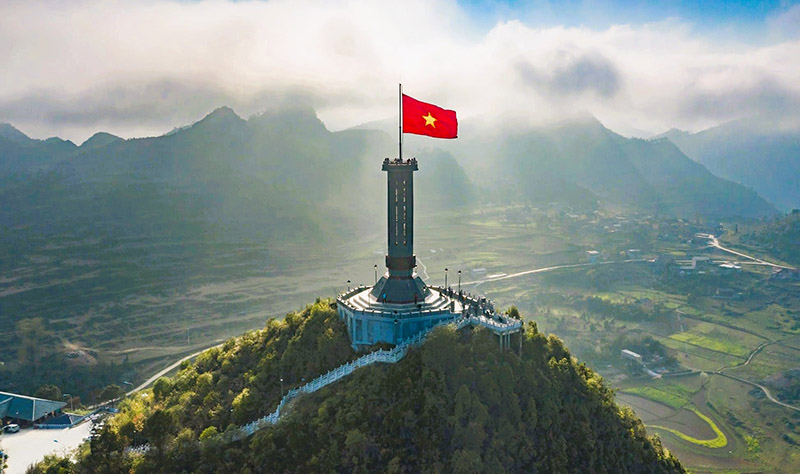
Northern Vietnam Road Trip is one of the most rewarding ways to experience the country's dramatic landscapes, diverse cultures, and quieter rural regions at your own pace. Instead of following a fixed schedule, this style of travel allows you to drive through mountain roads, stop whenever a view catches your attention, and discover local life beyond the usual tourist trail.
Widely considered the most scenic road trip in Vietnam, a Northern Vietnam Road Trip combines winding mountain passes, limestone peaks, emerald valleys, peaceful villages, and spectacular viewpoints into a single journey. Every day brings changing scenery, making the drive itself just as memorable as the destinations along the route.
This adventure is ideal for independent travelers, photographers, couples, families with a private vehicle, and motorbike enthusiasts looking for flexibility and authentic experiences. Whether you have a week or two weeks, there are routes suitable for different travel styles and driving confidence.
Unlike traditional package tours, a Northern Vietnam Road Trip gives you complete control over your itinerary. You can decide where to stop, how long to stay, and which scenic detours to explore, creating a more personal and immersive travel experience than following a fixed group schedule.
Northern Vietnam Road Trip at a Glance
A Northern Vietnam Road Trip typically begins in Hanoi, the country's capital and the main transportation hub for northern Vietnam. From here, travelers can rent a motorbike or car and follow various routes through the mountains before returning to Hanoi or continuing to another destination. Depending on your interests and available time, the trip can range from a short one-week adventure to a comprehensive two-week journey covering the region's most spectacular landscapes.
Most road trips cover between 700 and 1,500 kilometers, depending on the chosen itinerary. While experienced drivers can complete the route in a week, 10 to 14 days is generally recommended to enjoy the scenery without rushing. This allows enough time for sightseeing, photography, local experiences, and unexpected stops along the way.
A Northern Vietnam Road Trip is suitable for both cars and motorbikes. Motorbikes provide greater freedom on winding mountain roads and are popular among adventurous travelers, while cars offer better comfort for families, groups, or those traveling during colder or rainy seasons. Many visitors also choose an Easy Rider or private driver if they prefer to enjoy the scenery without driving themselves.
Where does the road trip start?
Most travelers start their Northern Vietnam Road Trip in Hanoi, where vehicle rental services, highways, accommodations, and travel facilities are widely available.
How long is the route?
Depending on the itinerary, the total driving distance usually ranges from 700 to 1,500 km, including scenic detours and loop routes.
How many days are recommended?
A 7-day itinerary covers the main highlights, while 10–14 days provides a more relaxed pace and allows time to explore lesser-known locations.
Is it suitable for cars and motorbikes?
Yes. Both vehicles are suitable. Motorbikes are ideal for experienced riders seeking flexibility, while cars offer greater comfort and safety for families or longer journeys.
| Trip | Recommended Days | Approximate Distance |
|---|---|---|
| Highlights Route | 7 days | 700–900 km |
| Classic Northern Loop | 10 days | 1,000–1,200 km |
| Complete Northern Vietnam Road Trip | 14 days | 1,300–1,500 km |
Best Northern Vietnam Road Trip Routes
One of the biggest advantages of a Northern Vietnam Road Trip is the variety of routes available. Whether you have one week or two, you can choose an itinerary that matches your schedule, driving experience, and travel interests. Some routes focus on legendary mountain passes, while others combine lakes, waterfalls, national parks, and cultural villages. Below are the most popular road trip routes in northern Vietnam.
Hanoi → Ha Giang → Cao Bang
This is one of the most iconic Northern Vietnam Road Trip routes, combining the famous Ha Giang Loop with the breathtaking landscapes of Cao Bang. Travelers experience winding mountain roads, limestone plateaus, traditional ethnic communities, and some of Vietnam's most spectacular scenery. The route is ideal for those looking for dramatic mountain views and a balance of adventure and cultural experiences.
Hanoi → Ba Be → Cao Bang
Perfect for travelers who prefer a slower pace, this route combines peaceful lakes, dense forests, and scenic countryside before reaching the mountain landscapes of Cao Bang. It offers a mix of nature, outdoor activities, and quiet rural villages, making it suitable for families, photographers, and visitors seeking a more relaxed road trip.
Hanoi → Sapa → Ha Giang
This classic northwest-to-northeast journey connects two of Vietnam's most famous mountain regions. Travelers can experience terraced rice fields, high mountain passes, colorful ethnic markets, and remote villages before continuing into the rugged landscapes of Ha Giang. Although longer than most routes, it rewards visitors with incredible scenery throughout the journey.
Hanoi → Cao Bang → Lang Son
This route focuses on northeastern Vietnam and is ideal for travelers interested in combining natural landscapes with historical and cultural attractions. After exploring the mountains of Cao Bang, the journey continues toward Lang Son, where visitors can enjoy scenic border landscapes, local markets, limestone valleys, and historic landmarks before returning to Hanoi.
Complete Northeast Loop
The Complete Northeast Loop is the ultimate Northern Vietnam Road Trip for travelers with enough time to explore the region in depth. It combines Ha Giang, Ba Be, Cao Bang, and Lang Son into one continuous journey, showcasing Vietnam's most beautiful mountain roads, UNESCO-recognized landscapes, traditional villages, lakes, waterfalls, caves, and panoramic viewpoints. With fewer crowds than many other destinations, this route delivers an unforgettable road trip filled with constantly changing scenery.
| Route | Approx. Distance | Recommended Days | Difficulty | Highlights |
|---|---|---|---|---|
| Hanoi → Ha Giang → Cao Bang | 850–950 km | 7–8 days | Moderate | Mountain passes, ethnic villages, limestone landscapes |
| Hanoi → Ba Be → Cao Bang | 700–800 km | 6–7 days | Easy–Moderate | Lakes, forests, caves, waterfalls, peaceful countryside |
| Hanoi → Sapa → Ha Giang | 900–1,000 km | 8–10 days | Moderate | Rice terraces, mountain scenery, local cultures |
| Hanoi → Cao Bang → Lang Son | 750–850 km | 6–7 days | Easy | Scenic roads, cultural sites, border landscapes |
| Complete Northeast Loop | 1,300–1,500 km | 12–14 days | Moderate–Challenging | Ha Giang, Ba Be, Cao Bang, Lang Son, diverse natural landscapes |
Suggested 7–14 Day Northern Vietnam Road Trip Itinerary
The ideal Northern Vietnam Road Trip depends on how much time you have available. A one-week itinerary covers the region's most famous highlights, while longer trips allow for a slower pace, additional destinations, and more opportunities to experience local culture. Below are three recommended itineraries that balance driving time with sightseeing, making them suitable for most independent travelers.
7-Day Northern Vietnam Road Trip
A seven-day itinerary is perfect for travelers with limited time who still want to experience northern Vietnam's spectacular mountain scenery. Begin in Hanoi before heading toward Ha Giang for scenic mountain roads and panoramic viewpoints. Continue to Cao Bang, where you can enjoy dramatic limestone landscapes and natural attractions, then return to Hanoi via a comfortable driving route. Although the schedule is relatively full, it offers an excellent introduction to the region while keeping daily driving distances manageable.
10-Day Northern Vietnam Road Trip
With ten days, you can travel at a more relaxed pace and include additional destinations without feeling rushed. After leaving Hanoi, spend several days exploring Ha Giang before continuing through Ba Be National Park and onward to Cao Bang. This itinerary combines mountain passes, peaceful lakes, ethnic villages, and some of northern Vietnam's most impressive natural scenery. Extra time also allows for short hikes, photography stops, and local experiences that are often missed on faster trips.
14-Day Northern Vietnam Road Trip
A two-week itinerary is the ultimate way to experience the region. Starting from Hanoi, the route includes Sapa, Ha Giang, Ba Be National Park, Cao Bang, and Lang Son before returning to the capital. The additional days reduce long driving hours and provide greater flexibility to explore local markets, hidden viewpoints, traditional villages, and lesser-known scenic roads. This itinerary is ideal for photographers, self-drive travelers, and anyone looking for a comprehensive Northern Vietnam adventure without constantly rushing between destinations.
| Itinerary | Duration | Suggested Route | Best For |
|---|---|---|---|
| Highlights Trip | 7 Days | Hanoi → Ha Giang → Cao Bang → Hanoi | First-time visitors with limited time |
| Classic Road Trip | 10 Days | Hanoi → Ha Giang → Ba Be → Cao Bang → Hanoi | Travelers seeking a balanced itinerary |
| Complete Northern Adventure | 14 Days | Hanoi → Sapa → Ha Giang → Ba Be → Cao Bang → Lang Son → Hanoi | Travelers wanting the most complete Northern Vietnam Road Trip |
Top Places to Visit on a Northern Vietnam Road Trip
A Northern Vietnam Road Trip takes you through some of the country's most spectacular natural landscapes and cultural destinations. From legendary mountain passes to peaceful valleys, waterfalls, caves, and ethnic towns, each stop offers a different perspective on northern Vietnam. The destinations below are among the highlights that deserve a place on almost every road trip itinerary.
Ha Giang Loop
The Ha Giang Loop is Vietnam's most famous road trip route, known for dramatic mountain passes, towering limestone peaks, deep valleys, and vibrant ethnic communities. The roads are challenging but incredibly rewarding, making this a must-visit destination for adventurous travelers seeking unforgettable scenery and authentic local culture.
Internal link:Ha Giang Loop Travel Guide
Ban Gioc Waterfall
Located on the Vietnam–China border, Ban Gioc Waterfall is one of the largest and most beautiful waterfalls in Asia. Surrounded by limestone mountains and emerald rice fields, it is one of the signature highlights of any Northern Vietnam Road Trip and a favorite destination for photographers throughout the year.
Internal link:Ban Gioc Waterfall Guide
Nguom Ngao Cave
Just a short drive from Ban Gioc, Nguom Ngao Cave impresses visitors with its enormous chambers, colorful limestone formations, and naturally sculpted stalactites. Well-lit walkways make the cave accessible to most travelers, offering a fascinating underground experience that perfectly complements the surrounding mountain scenery.
Internal link:Nguom Ngao Cave Guide
Pac Bo
Pac Bo combines remarkable natural beauty with great historical significance. Visitors can enjoy peaceful forest landscapes, crystal-clear streams, and important heritage sites that played a key role in modern Vietnamese history. It is an excellent stop for travelers interested in both nature and culture.
Internal link:Pac Bo Travel Guide
Angel Eye Mountain
One of northern Vietnam's most unique geological landmarks, Angel Eye Mountain is instantly recognizable by the giant natural hole through its limestone peak. Surrounded by open grasslands, lakes, and rugged mountains, it is especially beautiful during sunrise and sunset, making it a favorite destination for photographers.
Internal link:Angel Eye Mountain Guide
Phong Nam Valley
Phong Nam Valley offers a quieter side of Cao Bang, with winding country roads, traditional villages, rice fields, and limestone mountains stretching into the distance. The peaceful atmosphere and authentic rural landscapes make it one of the most scenic driving sections of a Northern Vietnam road trip.
Internal link:Phong Nam Valley Guide
Ba Be Lake
Located within Ba Be National Park, Ba Be Lake is Vietnam's largest natural freshwater lake. Visitors can enjoy boat trips, kayaking, short hikes, and overnight stays in traditional villages. The calm waters and lush forests provide a relaxing contrast to the region's dramatic mountain roads.
Internal link:Ba Be Lake Travel Guide
Ma Pi Leng Pass
Often considered Vietnam's most spectacular mountain pass, Ma Pi Leng Pass offers breathtaking panoramic views over deep canyons and winding rivers. The drive along this legendary road is one of the defining experiences of the Northern Vietnam Road Trip, especially for motorbike riders and landscape photographers.
Internal link:Ma Pi Leng Pass Guide
Dong Van
Dong Van is a charming mountain town surrounded by the UNESCO-listed Dong Van Karst Plateau Geopark. It serves as an ideal overnight stop, offering traditional architecture, lively weekend markets, and easy access to many of Ha Giang's most scenic roads and viewpoints.
Internal link:Dong Van Travel Guide
Meo Vac
Nestled among towering limestone mountains, Meo Vac is famous for its dramatic landscapes and rich ethnic culture. The town is best known for its colorful Sunday market and its location near Ma Pi Leng Pass, making it a popular stop for travelers exploring the eastern part of the Ha Giang Loop.
Internal link:Meo Vac Travel Guide
Best Time for a Northern Vietnam Road Trip
A Northern Vietnam Road Trip can be enjoyed throughout the year, but each season offers a different experience. Weather conditions influence road quality, visibility, and the surrounding landscapes, so choosing the right season depends on what you want to see. While autumn is widely regarded as the best time for most travelers, spring, summer, and winter each have their own unique appeal.
Spring (March–May)
Spring brings mild temperatures, fresh greenery, and comfortable driving conditions across northern Vietnam. Mountain roads are generally dry, flowers begin to bloom, and the countryside becomes increasingly vibrant after winter. This season is ideal for sightseeing, photography, and travelers who prefer pleasant weather without the crowds of peak holiday periods.
Summer (June–August)
Summer is lush and colorful, with rice fields reaching their brightest shades of green. Although landscapes are at their most vibrant, this is also the rainy season. Short but heavy showers can affect visibility and make mountain roads slippery, so checking weather forecasts before driving is essential.
Autumn (September–November)
Autumn is considered the best season for a Northern Vietnam Road Trip. The weather is cool and dry, skies are often clear, and visibility is excellent for long scenic drives. Depending on the month, travelers can also enjoy golden rice terraces and comfortable temperatures, making this the most popular time for photography and outdoor exploration.
Winter (December–February)
Winter offers crisp mountain air, fewer tourists, and peaceful roads. Higher elevations can become quite cold, especially in the early morning and evening, with occasional fog reducing visibility on mountain passes. However, travelers who enjoy quiet landscapes and dramatic winter scenery may find this season especially rewarding.
| Season | Weather | Pros | Cons |
|---|---|---|---|
| Spring (Mar–May) | Mild, dry, comfortable | Blooming landscapes, pleasant temperatures, excellent driving conditions | Occasional light showers in late spring |
| Summer (Jun–Aug) | Warm, humid, frequent rain | Lush green scenery, vibrant countryside, waterfalls at their fullest | Heavy rain, slippery roads, reduced visibility |
| Autumn (Sep–Nov) | Cool, dry, clear skies | Best overall weather, golden rice fields, ideal for photography | More visitors during peak travel periods |
| Winter (Dec–Feb) | Cool to cold, sometimes foggy | Quiet roads, fewer tourists, unique mountain atmosphere | Cold mornings, fog, limited visibility on high passes |
Driving Conditions and Road Safety
Driving is one of the highlights of a Northern Vietnam Road Trip, but mountain roads require preparation and careful planning. While most major routes are in good condition, terrain, weather, and driving habits can vary significantly from one region to another. Understanding local road conditions will help you enjoy a safer and more comfortable journey.
Road Quality
The majority of national highways and provincial roads connecting popular destinations are paved and well maintained. However, some rural roads may have uneven surfaces, loose gravel, or temporary construction zones. Drive at a moderate speed, especially when entering villages or leaving the main highways.
Mountain Passes
Northern Vietnam is famous for its winding mountain passes with steep climbs, sharp hairpin bends, and spectacular viewpoints. Roads such as Ma Pi Leng Pass and other highland routes demand extra attention, particularly when visibility is limited. Always stay within your lane, avoid overtaking on blind corners, and use lower gears when descending steep slopes.
Fuel Stations
Fuel stations are easy to find in cities and towns, but they become less frequent in remote mountain areas. Refill your tank whenever it drops below half, particularly before driving through national parks or sparsely populated regions. Most stations accept cash, while card payments may not always be available.
Navigation
Google Maps works well on most routes, but mobile signals can become unreliable in mountainous areas. Download offline maps before your trip and keep a backup navigation app in case of poor network coverage. Road signs are generally clear along major highways, although some smaller roads may have limited English signage.
Weather
Weather conditions can change rapidly in the mountains. Heavy rain, fog, or landslides may temporarily affect road safety, especially during the summer rainy season. Before setting out each day, check local weather forecasts and avoid driving after dark whenever possible.
Police Checkpoints
Police checkpoints are common throughout northern Vietnam and are part of routine traffic enforcement. Riders and drivers may be asked to present identification, vehicle documents, or driving licences. Cooperate politely and ensure all required documents are readily accessible.
International Driving Permit
Foreign visitors planning to drive should carry a valid driving licence along with an International Driving Permit (IDP) that is recognized in Vietnam, where applicable. Travelers without the appropriate licence should consider hiring a private driver or joining an Easy Rider tour to avoid legal and insurance complications.
Motorbike vs Car: Which Is Better?
Choosing the right transportation is one of the most important decisions when planning a Northern Vietnam Road Trip. The best option depends on your driving experience, travel style, budget, and comfort preferences. While motorbikes offer unmatched freedom on mountain roads, cars provide greater convenience for longer journeys. Travelers who prefer to relax can also choose an Easy Rider or a private driver, allowing them to enjoy the scenery without worrying about navigation or road conditions.
Motorbike
A motorbike is the classic way to explore northern Vietnam and offers the greatest flexibility. It allows you to stop at scenic viewpoints, take smaller back roads, and enjoy a closer connection with the surrounding landscapes. However, riding requires confidence on winding mountain roads and long hours in changing weather conditions.
Car
A self-drive or rental car is ideal for families, couples, and groups looking for comfort. Cars provide protection from rain and cold weather, offer luggage space, and reduce fatigue during long driving days. They are less flexible on narrow roads but remain a practical choice for most major routes.
Easy Rider
An Easy Rider tour lets you ride as a passenger on the back of an experienced local guide's motorbike. It is an excellent option for travelers who want the excitement of a motorbike adventure without the responsibility of driving. Local guides also share cultural insights and often introduce lesser-known viewpoints along the route.
Private Driver
Hiring a private driver offers the highest level of comfort and convenience. It is particularly suitable for families, small groups, photographers, or travelers with limited driving experience. Although it is the most expensive option, it allows you to enjoy the scenery while leaving navigation and road safety to an experienced local driver.
| Option | Advantages | Disadvantages | Typical Cost* | Best For |
|---|---|---|---|---|
| Motorbike | Maximum freedom, scenic experience, lower rental cost | Physically demanding, weather exposure, requires riding experience | US$10–20/day rental | Experienced riders, solo travelers, adventure seekers |
| Car | Comfortable, safer in bad weather, more luggage space | Higher rental cost, less flexible on narrow roads | US$50–100/day rental (excluding fuel) | Families, couples, small groups |
| Easy Rider | No driving required, local guide, authentic experience | Less independent, fixed with guide | US$60–120/day | First-time visitors, non-riders, photographers |
| Private Driver | Maximum comfort, local knowledge, stress-free travel | Highest overall cost | US$80–180/day (vehicle included) | Families, luxury travelers, groups, seniors |
*Costs are approximate and vary by season, vehicle type, and itinerary.
Budget for a Northern Vietnam Road Trip
A Northern Vietnam Road Trip can fit a wide range of budgets, from backpackers traveling by motorbike to families hiring a private car with a driver. Daily expenses mainly depend on your choice of transportation, accommodation, and travel style rather than entrance fees, which are generally affordable. Planning a realistic budget in advance helps you avoid unexpected costs and enjoy the journey with greater flexibility.
Accommodation is available in almost every town along the main routes, ranging from budget hostels and local homestays to comfortable hotels and boutique lodges. Food is also inexpensive, with plenty of opportunities to enjoy authentic northern Vietnamese cuisine at local restaurants.
Transportation is usually the largest expense. Renting a motorbike remains the most economical option, while a private car or Easy Rider tour offers greater comfort and convenience at a higher cost. Fuel prices are reasonable, and entrance tickets for waterfalls, caves, national parks, and historical sites are generally modest compared with many international destinations.
Overall, budget travelers can comfortably complete a Northern Vietnam Road Trip for under US$60 per day, while mid-range travelers typically spend US$80–150 per day depending on accommodation and transportation choices. Those seeking maximum comfort with a private vehicle and driver should expect a higher daily budget.
| Expense | Typical Cost |
|---|---|
| Accommodation | US$15–60 per night |
| Food | US$10–25 per day |
| Fuel | US$8–20 per day (depending on distance and vehicle) |
| Entrance Fees | US$2–10 per attraction |
| Motorbike Rental | US$10–20 per day |
| Private Car Rental | US$50–100 per day (excluding driver where applicable) |
| Easy Rider Tour | US$60–120 per day |
| Estimated Daily Budget | Budget: US$40–60Mid-range: US$80–150Comfort/Luxury: US$180+ |
Packing Checklist
Packing wisely can make your Northern Vietnam Road Trip safer and more comfortable, especially when driving through remote mountain regions where weather conditions may change quickly. Temperatures often vary between valleys and high mountain passes, so it is best to pack lightweight clothing along with a few warm layers. Keeping your luggage compact also makes traveling easier, particularly if you are riding a motorbike.
Use the checklist below to make sure you have the essentials before starting your journey.
Essential Packing Checklist
Documents
Passport
Visa (if required)
Valid driving licence
International Driving Permit (if applicable)
Travel insurance
Vehicle rental agreement
Copies of important documents
Clothes
Lightweight shirts
Comfortable trousers
Warm jacket or fleece
Waterproof shoes or hiking shoes
Extra socks
Sunglasses
Hat or cap
Rain Gear
Waterproof jacket
Rain pants
Backpack rain cover
Waterproof phone pouch
Helmet
Certified helmet (if renting, check its condition before departure)
Helmet visor or protective glasses
Cash
Vietnamese Dong (VND)
Small denominations for fuel, local restaurants, and entrance tickets
Credit or debit card for larger towns
Phone Holder
Secure motorcycle or car phone mount
Charging cable for navigation
Offline Maps
Download Google Maps offline
Backup navigation app (such as Maps.me or Organic Maps)
Power Bank
High-capacity power bank
Car charger or USB charger
Spare charging cables
First Aid
Basic medications
Adhesive bandages
Antiseptic wipes
Motion sickness tablets
Insect repellent
Sunscreen
Camera
Camera or smartphone
Extra batteries
Memory cards
Cleaning cloth
Lightweight tripod for sunrise and sunset photography
Travel Tips
A successful Northern Vietnam Road Trip is not only about choosing the right route but also about traveling safely and efficiently. The region's mountain roads, changing weather, and remote villages require a little extra preparation compared with driving in major cities. These practical tips will help you enjoy a smoother and more memorable journey.
Start Early
Begin driving early each morning to enjoy cooler temperatures, quieter roads, and the best lighting for photography. Starting early also gives you extra time for scenic stops without feeling rushed.
Avoid Driving After Dark
Mountain roads have limited street lighting, and fog can reduce visibility after sunset. Finishing your daily drive before dark is one of the safest ways to travel in northern Vietnam.
Fill Up Before Remote Areas
Fuel stations become less frequent in remote mountain regions. Whenever your fuel tank reaches half full, take the opportunity to refill before continuing into more isolated areas.
Carry Cash
Although larger towns accept card payments, many local restaurants, homestays, markets, and small fuel stations only accept cash. Carry enough Vietnamese Dong for daily expenses and entrance fees.
Book Accommodation During Peak Season
If you plan to travel during weekends, public holidays, or the autumn harvest season, reserve your accommodation in advance. Popular mountain towns can become fully booked during peak travel periods.
Respect Local Communities
Many villages are home to ethnic minority communities with unique customs and traditions. Dress respectfully, ask permission before photographing people, and support local businesses whenever possible.
Download Offline Maps
Mobile coverage is generally reliable on major roads but can disappear in remote mountain areas. Download offline maps before your trip so you can continue navigating even without an internet connection.
Check the Weather Every Day
Mountain weather can change quickly, especially during the rainy season. Before leaving each morning, check the latest forecast and adjust your route if heavy rain, fog, or landslides are expected. Flexible planning helps ensure a safer and more enjoyable Northern Vietnam Road Trip.
Common Mistakes
Even experienced travelers can make simple mistakes that reduce the enjoyment of a Northern Vietnam Road Trip. Good preparation and realistic planning will help you avoid unnecessary stress, save time, and improve safety on mountain roads. Here are some of the most common mistakes and how to avoid them.
Underestimating Travel Time
Mountain roads often take much longer than expected. Although the distance between destinations may seem short, winding roads, scenic stops, and slower traffic can significantly increase driving time. Plan a flexible schedule instead of relying only on navigation estimates.
Driving Too Fast
Sharp bends, steep descents, and unexpected road conditions make excessive speed one of the biggest safety risks. Drive at a comfortable pace, especially on mountain passes, and always leave enough time to react to oncoming vehicles or livestock crossing the road.
Skipping Fuel Stops
Fuel stations are widely available in cities but much less common in remote areas. Waiting until your tank is nearly empty can lead to unnecessary stress, particularly when exploring quieter mountain routes.
Ignoring the Weather
Weather in northern Vietnam can change rapidly, especially during the rainy season. Heavy rain, dense fog, and occasional landslides may affect visibility and road conditions. Always check the forecast before leaving and adjust your route if necessary.
Packing Too Much
Overpacking makes luggage heavier and less convenient, particularly for motorbike travelers. Bring versatile clothing and essential gear while leaving unnecessary items behind to improve comfort and balance.
Not Bringing Cash
Many small restaurants, local markets, entrance gates, and rural fuel stations accept only cash. Keeping enough Vietnamese Dong on hand will help you avoid payment problems in remote areas.
Trying to Visit Too Many Places
One of the biggest planning mistakes is squeezing too many destinations into a limited number of days. Spending more time driving than exploring reduces the overall experience. Focus on fewer destinations and allow time to enjoy each stop.
Missing Required Driving Documents
Foreign travelers who plan to drive should carry all necessary documents, including a valid driving licence, an International Driving Permit where applicable, and vehicle rental paperwork. Missing documentation may lead to fines, insurance issues, or travel disruptions during your Northern Vietnam Road Trip.
Our Local Insight
After countless journeys through northern Vietnam, we've found that the most memorable moments rarely happen at the busiest attractions. Instead, they come from starting early, taking quieter roads, and allowing extra time to explore places that many travelers simply drive past. These practical insights can help you enjoy a more rewarding Northern Vietnam Road Trip.
Best Sunrise Roads
For unforgettable morning scenery, start driving shortly after sunrise on the roads around Ma Pi Leng Pass, Phong Nam Valley, and the approach to Angel Eye Mountain. Morning light creates clearer mountain views, softer colors, and far less traffic than later in the day.
Quiet Viewpoints
Popular viewpoints become much quieter before 9:00 AM or after 4:00 PM. Even during peak season, you'll often find peaceful photo opportunities by arriving slightly earlier or later than most tour groups.
Scenic Coffee Stops
Small local cafés overlooking mountain valleys often provide better views than roadside restaurants. Towns such as Dong Van, Meo Vac, and Trung Khanh are excellent places to enjoy Vietnamese coffee while taking a break from long driving days.
Roads Locals Avoid After Heavy Rain
After prolonged rainfall, some smaller mountain roads can become muddy or affected by minor landslides. Local drivers usually stay on the main national and provincial roads until conditions improve. If heavy rain is forecast, ask your accommodation for the latest road updates before departing.
Where to Stay Before Ban Gioc
Instead of making a long day trip from Cao Bang City, consider staying overnight in Trung Khanh or Khuoi Ky Stone Village. This allows you to reach Ban Gioc Waterfall early in the morning when the scenery is quieter and the lighting is at its best.
Best Rice Season
Rice fields are typically at their greenest from late May to July, while the famous golden harvest landscapes usually appear from late September to early October, depending on local weather conditions.
Best Autumn Route
If you're visiting in autumn, the route from Ha Giang through Ba Be to Cao Bang offers one of the most beautiful combinations of mountain scenery, clear skies, and golden rice fields.
Recommended Overnight Towns
For a balanced itinerary, consider spending the night in Dong Van, Meo Vac, Ba Be, Cao Bang City, and Trung Khanh. These towns provide convenient access to major attractions while reducing long driving hours between destinations.
Conclusion
A Northern Vietnam Road Trip is more than just a journey between destinations—it's an opportunity to experience some of the country's most breathtaking landscapes, diverse cultures, and unforgettable mountain roads at your own pace. From winding passes and peaceful valleys to historic sites and hidden villages, every day offers a different perspective on northern Vietnam.
Whether you have 7, 10, or 14 days, there is an itinerary to suit your travel style. Shorter trips focus on the region's iconic highlights, while longer routes provide time to explore quieter roads, enjoy local experiences, and discover places beyond the typical tourist trail.
If you're planning your own adventure, continue with our detailed destination guides covering Ha Giang Loop, Ban Gioc Waterfall, Nguom Ngao Cave, Pac Bo, Ba Be Lake, Angel Eye Mountain, Phong Nam Valley, and many other highlights. These in-depth articles will help you build the perfect Northern Vietnam Road Trip based on your interests, schedule, and preferred travel style.