


Nguom Ngao Cave: The Complete Travel Guide to Cao Bang's Spectacular Limestone Cave
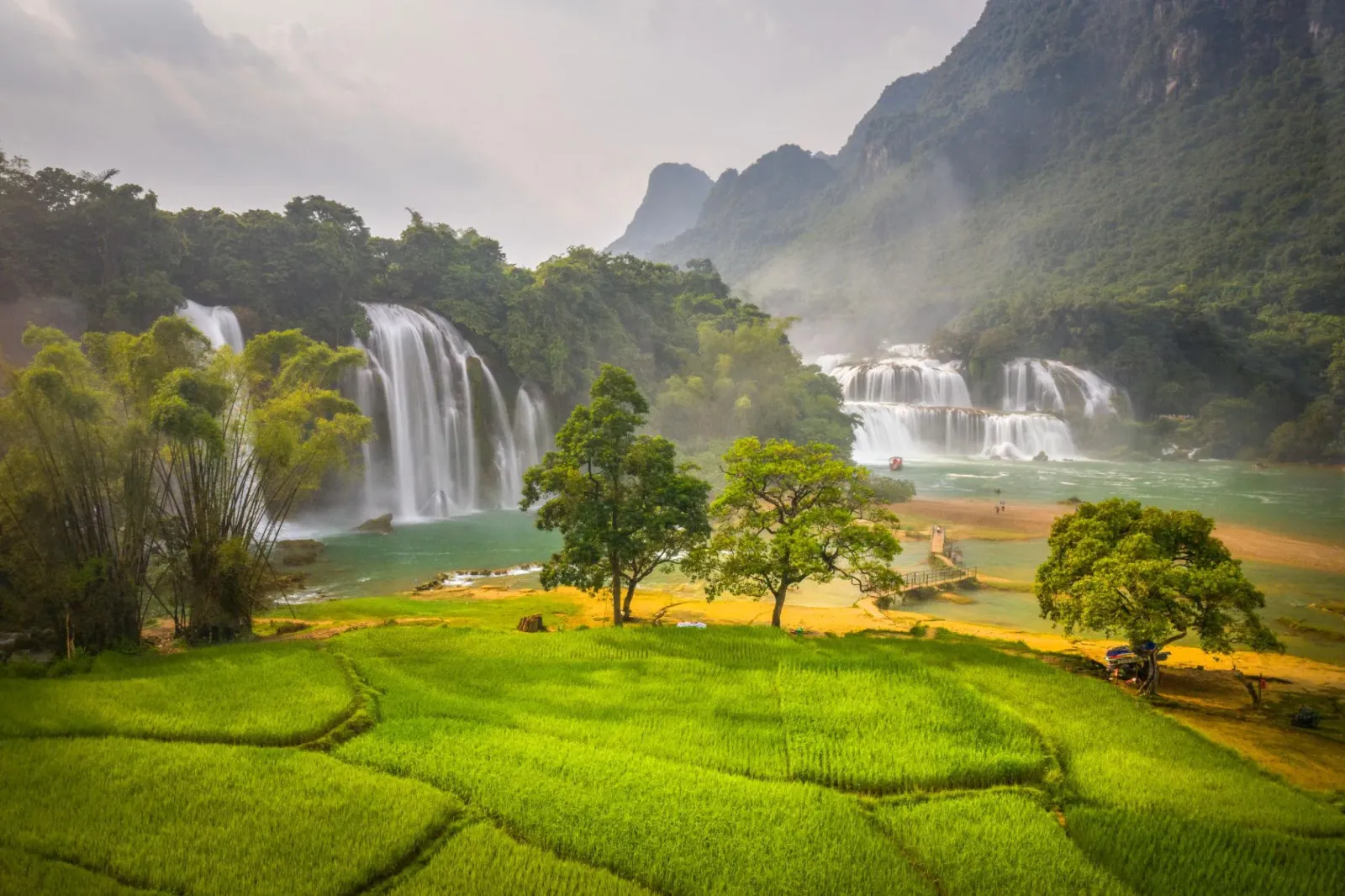
Hidden beneath the limestone mountains of Cao Bang, Nguom Ngao Cave is widely regarded as one of the finest natural caves in Vietnam. Located just a few kilometers from Ban Gioc Waterfall, this remarkable cave attracts visitors with its vast chambers, well-preserved limestone formations, and spectacular displays of stalactites and stalagmites that have developed over millions of years. Its accessibility and impressive geological features make it a highlight of any journey through Northeast Vietnam.
As part of the UNESCO Global Geopark of Non Nuoc Cao Bang, Nguom Ngao Cave offers far more than scenic beauty. The cave provides insight into the region's unique karst landscape while showcasing the natural processes that continue to shape one of Vietnam's most significant limestone environments. Carefully designed walking paths and lighting allow visitors to appreciate the cave's scale without diminishing its natural character.
This guide covers everything you need to know before visiting Nguom Ngao Cave, including its location, geological significance, how to get there, what to expect inside, the best time to visit, nearby attractions, practical travel tips, and answers to the most frequently asked questions. Whether you are exploring the Cao Bang Loop or combining your trip with Ban Gioc Waterfall, this article will help you plan a rewarding visit to one of the best caves in Vietnam.
Where Is Nguom Ngao Cave?
Location
Nguom Ngao Cave is located in Trung Khanh District, Cao Bang Province, in Northeast Vietnam. The cave lies within the limestone karst landscape of the UNESCO Global Geopark of Non Nuoc Cao Bang, an area recognized for its exceptional geological heritage and dramatic mountain scenery. Surrounded by forests, valleys, and limestone peaks, it is one of the region's most important natural attractions.
The cave is situated close to the Vietnam–China border, making it an ideal stop for travelers exploring the eastern part of Cao Bang. Thanks to its proximity to Ban Gioc Waterfall and Truc Lam Ban Gioc Pagoda, Nguom Ngao Cave is often included in the same sightseeing route, allowing visitors to experience several of Cao Bang's most iconic landmarks in a single journey.
Distance
Nguom Ngao Cave is conveniently located near several major attractions and transport hubs in Cao Bang. The cave is approximately 3 km from Ban Gioc Waterfall, making the journey between the two destinations take only a few minutes by car or motorbike.
From Cao Bang City, the cave is about 90 km away, with a driving time of roughly 2 to 2.5 hours depending on road and weather conditions. Travelers departing from Hanoi should expect a journey of around 360 km, which typically takes 6.5 to 8 hours by car, limousine, or sleeper bus before continuing to the cave from Cao Bang City.
Map
Nguom Ngao Cave is reached via Provincial Road DT206, one of the main scenic routes through eastern Cao Bang. Most visitors travel from Cao Bang City toward Trung Khanh District, then continue along the road leading to Ban Gioc Waterfall. The cave entrance is clearly signposted and lies just before reaching the waterfall area, making it easy to combine both destinations in the same trip without taking significant detours.
Why Is Nguom Ngao Cave Famous?
Limestone Formation
Nguom Ngao Cave is famous for its spectacular limestone formations created over millions of years. The cave was formed through the gradual dissolution of limestone by underground water, producing a complex network of chambers, passages, and natural galleries. This long geological process has shaped an interior landscape with towering rock walls, spacious caverns, and distinctive mineral formations that reflect the evolution of the karst terrain in Non Nuoc Cao Bang UNESCO Global Geopark.
Stalactites
The cave is best known for its remarkable collection of stalactites and stalagmites. Mineral-rich water dripping from the cave ceiling has slowly built thousands of formations in different sizes, colors, and textures. Some resemble stone curtains, crystal columns, or giant pillars, while others have been given descriptive names based on their appearance. Carefully installed lighting highlights these natural features without overwhelming the cave's atmosphere, allowing visitors to appreciate the intricate details of the limestone structures.
Underground Formation
Nguom Ngao Cave contains a diverse underground landscape shaped by water and natural erosion. Inside the cave, visitors follow a walking trail through large chambers connected by narrower passages, where changes in elevation and rock texture reveal different stages of geological development. Evidence of ancient underground water movement can be seen in the smooth cave walls, sculpted rock surfaces, and naturally carved cavities. The combination of spacious halls and intimate corridors creates a varied experience while illustrating how subterranean environments continue to evolve over time.
Geological Value
Nguom Ngao Cave is valued as one of the most significant karst caves in Northeast Vietnam. Its well-preserved limestone system provides an excellent example of tropical karst geology, making it an important feature of the UNESCO Global Geopark in Cao Bang. Beyond its visual appeal, the cave helps scientists and visitors better understand the long-term interaction between limestone, groundwater, and mineral deposition. Together with the surrounding mountain landscape, valleys, and nearby attractions such as Ban Gioc Waterfall, Nguom Ngao Cave represents the geological diversity that has made Cao Bang one of Vietnam's premier destinations for nature-based travel and one of the country's best caves to visit.
History of Nguom Ngao Cave
Meaning of the Name
The name "Nguom Ngao" comes from the language of the Tày ethnic people and is commonly interpreted as "Tiger Cave." According to local usage, nguom means "cave," while ngao refers to the tiger. The name reflects the cultural connection between local communities and the surrounding mountains, where wild animals were once believed to roam. Today, the traditional name remains an important part of the cave's identity and is widely recognized alongside its English translation, Tiger Cave.
Discovery
Nguom Ngao Cave has been known by local communities for generations before becoming a recognized tourist attraction. Residents of the surrounding villages were familiar with the cave long before it appeared in travel guides or tourism itineraries. As geological research and regional tourism expanded in Cao Bang, the cave attracted greater attention for its scientific importance within the province's extensive limestone karst system. Improved access and conservation efforts later made it possible for visitors to explore selected sections of the cave safely.
Local Legends
Several local legends explain how Nguom Ngao Cave received its name. One of the best-known stories says that tigers once used the cave as a shelter, and their roars echoed through the mountains, leading nearby villagers to call it "Tiger Cave." Another version suggests that the sounds of underground air and flowing water resembled the growl of wild animals, reinforcing the association with tigers. Although these stories are part of local folklore rather than documented history, they continue to be shared by residents and guides as part of the region's cultural heritage.
Tourism Development
Nguom Ngao Cave gradually developed into one of Cao Bang's leading tourist destinations through careful infrastructure and conservation planning. Visitor facilities, designated walking routes, and lighting systems were introduced to improve accessibility while protecting the cave's geological features. Its inclusion within the Non Nuoc Cao Bang UNESCO Global Geopark further increased international recognition and encouraged sustainable tourism practices. Today, the cave is regularly included in travel routes that explore the natural and geological heritage of Trung Khanh District and the wider Cao Bang region.
What to Expect Inside the Cave
Entrance
The entrance to Nguom Ngao Cave leads directly into a cool underground environment with a gradual transition from daylight to natural darkness. Visitors enter through a developed access point before following a designated route into the cave. As the natural light fades, the scale of the limestone chambers becomes more apparent, allowing the underground landscape to unfold progressively rather than all at once.
Walking Trail
Nguom Ngao Cave is explored via a well-defined walking trail designed for self-guided visits and guided tours. The route follows a series of pathways and stairways that pass through the cave's main chambers without requiring technical climbing or special equipment. Along the way, visitors can stop at designated viewpoints to observe notable limestone formations while moving at a comfortable pace. The complete visit typically takes less than an hour, depending on how much time is spent exploring.
Lighting
The cave uses artificial lighting to improve visibility while preserving its natural atmosphere. Lights are positioned to illuminate key sections of the walking route and highlight significant limestone formations without flooding the entire cave with bright light. This approach helps visitors appreciate the cave's depth, texture, and geological features while maintaining the sense of being inside a natural underground environment.
Temperature
Nguom Ngao Cave remains noticeably cooler than the outside air throughout most of the year. The underground setting provides a relatively stable temperature that offers welcome relief during the warmer months in Cao Bang. Combined with naturally high humidity, the cooler conditions create a comfortable environment for walking, although visitors may find a light jacket useful if they are sensitive to cooler temperatures.
Accessibility
Most visitors can explore the main section of Nguom Ngao Cave without specialized experience, but moderate mobility is required. The walking trail includes paved paths, staircases, and occasional uneven surfaces that are typical of a natural limestone cave. Comfortable walking shoes with good grip are recommended, especially during wet weather when some areas may become slippery. While the cave is suitable for most adults and older children, it may present challenges for wheelchair users or visitors with limited mobility due to the presence of steps and changes in elevation.
Opening Hours & Entrance Fee
Opening Hours
Nguom Ngao Cave is generally open daily from 7:30 AM to 5:00 PM. These hours allow visitors to explore the cave during daylight while providing sufficient time to complete the walking route at a comfortable pace. Although operating hours may be adjusted on public holidays or for maintenance, the cave is normally accessible throughout the week. Travelers should arrive before late afternoon to allow enough time to complete the visit without rushing.
Ticket Price
The standard entrance fee for Nguom Ngao Cave is approximately VND 45,000 per visitor. This ticket provides access to the public walking route, where visitors can explore the main chambers independently. Guided tours for extended exploration may be available at an additional cost through local operators or on-site arrangements. As ticket prices and services can occasionally change, it is advisable to verify the latest information before your visit.
Best Visiting Time
The best time to enter Nguom Ngao Cave is in the morning or early afternoon. Visiting between 8:00 AM and 3:00 PM provides ample time to explore the cave at a relaxed pace and continue to nearby attractions such as Ban Gioc Waterfall or Truc Lam Ban Gioc Pagoda on the same day. Earlier visits also tend to offer a quieter atmosphere, making it easier to enjoy the walking trail, observe the limestone formations, and take photographs without waiting for larger tour groups.
How to Get to Nguom Ngao Cave
From Cao Bang City
The easiest way to reach Nguom Ngao Cave from Cao Bang City is by car, limousine, or motorbike. The cave is located about 90 km east of the city, and the journey usually takes 2 to 2.5 hours. Travelers follow the main road toward Trung Khanh District, passing through mountain landscapes before joining Provincial Road DT206, which leads directly to the cave and nearby attractions.
From Ban Gioc
Nguom Ngao Cave is only around 3 km from Ban Gioc Waterfall. The journey between the two attractions takes approximately 5–10 minutes by car or motorbike, making it easy to visit both on the same day. Many visitors choose to explore the cave either before or after visiting the waterfall, as both destinations are connected by a well-maintained road with clear directional signs.
By Motorbike
Traveling by motorbike is one of the most popular ways to visit Nguom Ngao Cave. The route offers flexibility for stopping at viewpoints and nearby attractions along the way. The roads are generally paved and suitable for experienced riders, although they include winding mountain sections that require careful driving. Wearing appropriate safety gear and checking weather and road conditions before departure are recommended, especially if traveling independently.
By Tour
Joining a guided tour is the most convenient option for visitors who prefer a planned itinerary. Many day trips and multi-day tours in the Ban Gioc area include Nguom Ngao Cave as a standard stop alongside Ban Gioc Waterfall and Truc Lam Ban Gioc Pagoda. Transportation, entrance arrangements, and local guides are typically included, allowing travelers to focus on exploring the cave without planning logistics. This option is particularly suitable for first-time visitors or those with limited time in Trung Khanh District.
Best Time to Visit
Dry Season
The dry season is generally the best time to visit Nguom Ngao Cave for easier travel and stable conditions. Roads leading to the cave are usually in better condition, making the journey from Cao Bang City or Ban Gioc Waterfall more comfortable. The lower chance of rain also helps reduce slippery surfaces around the entrance, allowing visitors to explore the walking trail with greater ease.
Rainy Season
Nguom Ngao Cave remains open during the rainy season, but visitors should prepare for wetter conditions. Rain can make roads and outdoor walkways more slippery, so footwear with good grip is recommended. The cave itself is largely sheltered from the weather, although higher humidity may make some sections feel damp. Before setting out, it is advisable to check local weather forecasts and road conditions, especially after periods of heavy rainfall.
Morning
Morning is the most recommended time of day to visit Nguom Ngao Cave. Arriving shortly after opening hours usually means fewer visitors on the walking trail, creating a quieter atmosphere for exploring the limestone formations. A morning visit also leaves enough time to continue to nearby attractions such as Ban Gioc Waterfall or Truc Lam Ban Gioc Pagoda, making it easier to plan a full day of sightseeing in Trung Khanh District.
Afternoon
An afternoon visit is a good option for travelers arriving from other destinations earlier in the day. The cave's underground environment maintains a relatively stable temperature, so the experience remains comfortable even when outdoor conditions are warmer. Visitors should allow sufficient time to complete the walking route before the site's closing hours, particularly if combining the cave with other attractions or returning to Cao Bang City on the same day.
Travel Tips
Shoes
Wear comfortable shoes with good grip when visiting Nguom Ngao Cave. Although the main walking trail is developed for visitors, some sections include stairs and smooth limestone surfaces that may become slippery. Lightweight hiking shoes or athletic footwear provide better stability than sandals or shoes with smooth soles.
Clothing
Choose lightweight clothing and bring a light jacket if needed. The temperature inside the cave is generally cooler than outside and remains relatively stable throughout the day. Breathable clothing is suitable for walking, while a thin jacket can make the visit more comfortable for those who are sensitive to cooler underground conditions.
Photography
Bring a camera or smartphone that performs well in low-light environments. The cave lighting highlights major limestone formations, but some sections remain naturally dim. Using night mode or adjusting exposure often produces better results than relying on a flash. Visitors should also take care not to block the walking trail while stopping to photograph the cave's geological features.
Safety
Stay on the designated walking trail and follow all posted safety signs. Climbing on limestone formations or crossing protective barriers can damage the cave and increase the risk of accidents. Walk carefully on stairs and damp surfaces, hold handrails where available, and pay attention to uneven ground, particularly near changes in elevation. Following the marked route helps protect both visitors and the cave's fragile environment.
Children
Nguom Ngao Cave is suitable for families, but young children should be supervised throughout the visit. The developed pathway makes the cave accessible for most school-age children, although staircases and uneven sections require extra attention. Parents should keep children close, especially in areas with limited lighting or slippery surfaces, and allow additional time for frequent rest stops if needed.
Nearby Attractions
Ban Gioc Waterfall
Ban Gioc Waterfall is the closest and most famous attraction near Nguom Ngao Cave. Located about 3 km from the cave, it is one of Vietnam's most iconic natural landmarks and is often visited on the same trip. The short travel distance makes it easy to combine both destinations within a single itinerary, whether traveling independently or on a guided tour.
Truc Lam Ban Gioc Pagoda
Truc Lam Ban Gioc Pagoda is a peaceful hilltop temple overlooking the surrounding landscape. Situated a short drive from Ban Gioc Waterfall, the pagoda is known for its quiet setting and panoramic views of the border region. It is commonly included as the next stop after visiting the waterfall and Nguom Ngao Cave, offering a different perspective on the area's natural and cultural heritage.
Quay Son River
The Quay Son River is one of the defining natural features of Trung Khanh District. Flowing through the limestone valleys near Ban Gioc Waterfall, the river is recognized for its clear water and scenic surroundings. Many visitors pass alongside the river when traveling between local attractions, making it an integral part of the journey through eastern Cao Bang.
Khuoi Ky Village
Khuoi Ky Village is a traditional stone village located close to Nguom Ngao Cave. Home to the Tày ethnic community, the village is known for its distinctive stone houses and traditional architecture. It serves as a convenient stop for travelers interested in local culture before or after exploring the cave and nearby attractions, and it is also a popular place to experience a homestay in the Ban Gioc area.
Common Mistakes
Wearing Slippery Shoes
Wearing shoes with poor traction is one of the most common mistakes when visiting Nguom Ngao Cave. Although the walking trail is well maintained, some sections may become damp and slippery. Footwear with good grip provides better stability on stairs and smooth limestone surfaces, making the visit both safer and more comfortable.
Arriving Too Late
Arriving late in the afternoon can limit the time available to explore the cave. Visitors who reach the entrance close to closing hours may need to shorten their visit or skip nearby attractions. Planning to arrive earlier in the day allows enough time to complete the walking route at a relaxed pace without worrying about operating hours.
Ignoring Cave Humidity
The cave's naturally humid environment should not be overlooked. Cooler temperatures and high humidity can make the air feel different from outside conditions. Visitors should walk carefully, as damp surfaces may reduce traction, and consider bringing a light jacket if they are sensitive to cooler underground environments.
Skipping a Flashlight
A flashlight is not essential but can be a useful backup. The main visitor route is illuminated by installed lighting, so additional equipment is generally unnecessary. However, a small flashlight or the light on a smartphone can help improve visibility when reading information panels, checking steps, or navigating dimmer sections without relying entirely on the cave's lighting system.
Touching Stalactites
Avoid touching stalactites and other limestone formations during your visit. Oils and residue from human hands can interfere with the natural process of mineral deposition and gradually damage delicate cave formations. Staying on the designated path and observing the formations from a distance helps preserve Nguom Ngao Cave for future visitors while supporting ongoing conservation efforts.
Conclusion
Nguom Ngao Cave is one of the most remarkable limestone caves in Vietnam, combining geological significance with easy accessibility in the heart of Cao Bang. Its impressive stalactites, stalagmites, and well-developed walking trail make it a rewarding destination for travelers interested in nature, geology, and the unique karst landscapes of Non Nuoc Cao Bang UNESCO Global Geopark. Located just a few kilometers from Ban Gioc Waterfall, it also fits naturally into a day of exploring the region's best-known attractions.
Before your visit, prepare comfortable walking shoes, lightweight clothing, and a camera suitable for low-light conditions. Arriving early and allowing enough time to explore at a relaxed pace will help you make the most of the experience while respecting the cave's protected environment.
Whether you are discovering the Cao Bang Loop or searching for one of the best caves in Vietnam, Nguom Ngao Cave is a destination that deserves a place on your itinerary. Plan ahead, travel responsibly, and take time to appreciate one of Northeast Vietnam's most impressive natural landmarks.