


Is Cao Bang Worth Visiting? Honest Reasons to Visit Cao Bang
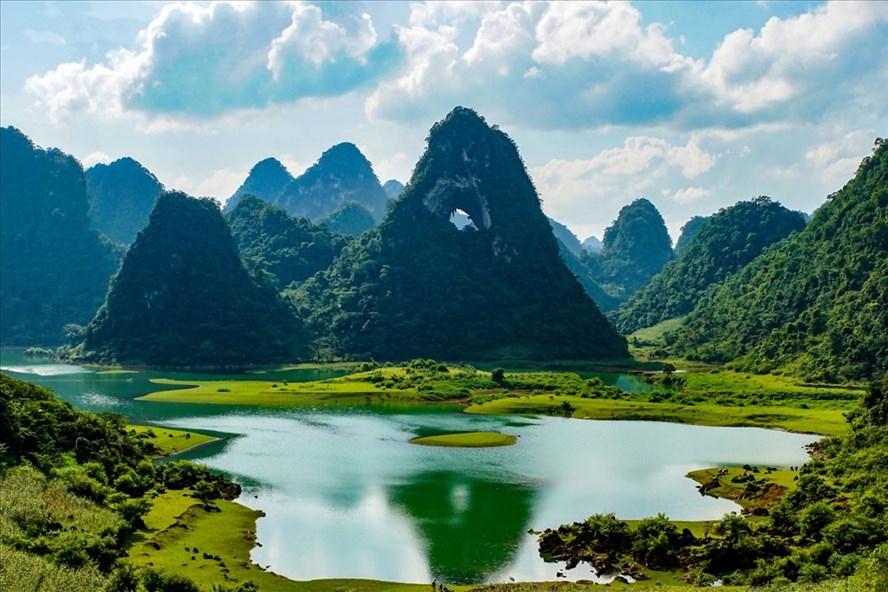
Is Cao Bang Worth Visiting? Absolutely. If you are looking for dramatic mountain scenery, authentic local culture, and outdoor adventures away from mass tourism, Cao Bang is one of the best destinations in Vietnam. While many travelers head to Sapa or Ha Giang, those who visit Cao Bang often describe it as the country's most rewarding hidden gem thanks to its peaceful atmosphere, spectacular landscapes, and slower pace of travel.
Many people consider Cao Bang the most beautiful region in Northern Vietnam because it combines towering limestone mountains, crystal-clear rivers, fertile valleys, and pristine forests within a relatively small area. Unlike more commercialized destinations, the province has preserved much of its natural beauty and traditional way of life, allowing visitors to experience a side of Vietnam that feels genuine and unspoiled.
Cao Bang is especially suitable for nature lovers, photographers, road trip enthusiasts, couples seeking quiet escapes, and travelers who enjoy exploring beyond the usual tourist routes. Whether you prefer riding scenic mountain roads, learning about local culture, or simply relaxing in peaceful surroundings, Cao Bang offers an experience that is both memorable and refreshingly authentic. For anyone planning a trip to Northern Vietnam, the answer to "Is Cao Bang Worth Visiting?" is a confident yes.
Is Cao Bang Worth Visiting?
Yes, Cao Bang is absolutely worth visiting, especially if you enjoy spectacular natural scenery, authentic cultural experiences, and destinations that remain relatively untouched by mass tourism. Located in Vietnam's northeast, Cao Bang offers a peaceful travel experience with dramatic limestone mountains, winding rivers, scenic mountain roads, and welcoming ethnic minority communities. Compared with more popular destinations in Northern Vietnam, it provides a quieter atmosphere while still offering world-class landscapes and memorable outdoor adventures.
Cao Bang is an excellent choice for nature lovers, photographers, motorbike travelers, couples, families seeking a slower-paced holiday, and anyone interested in exploring Vietnam beyond the usual tourist trail. Travelers who enjoy road trips, local cuisine, and discovering less-crowded destinations will find plenty to appreciate during a two- to four-day visit.
However, Cao Bang may not be the best destination for everyone. Visitors looking for luxury resorts, vibrant nightlife, shopping malls, or convenient public transportation may find the province less suitable. Reaching Cao Bang also requires more travel time than many other destinations because there is currently no commercial airport or railway station.
Overall, if your ideal trip focuses on breathtaking landscapes, authentic local culture, and unforgettable road journeys rather than urban entertainment, the answer to "Is Cao Bang Worth Visiting?" is a clear and confident yes.
Why Is Cao Bang Worth Visiting?
Spectacular Natural Landscapes
One of the biggest reasons Cao Bang is worth visiting is its remarkable natural scenery. The province is part of the UNESCO Non Nuoc Cao Bang Global Geopark, where millions of years of geological activity have created dramatic limestone mountains, deep valleys, caves, rivers, and waterfalls. Unlike destinations dominated by a single attraction, Cao Bang offers a diverse landscape that changes constantly as you travel through the region.
Towering limestone karsts rise above green rice fields and winding rivers, creating panoramic views that feel untouched by modern development. In many areas, the mountains surround quiet villages, making every journey as rewarding as the destination itself. The scenery becomes even more impressive when combined with crystal-clear lakes, peaceful valleys, and seasonal rice fields that transform the landscape throughout the year. Whether you enjoy sightseeing, photography, trekking, or simply driving through beautiful countryside, Cao Bang delivers some of the most spectacular scenery in Northern Vietnam.
Less Crowded Than Other Destinations
Another reason many travelers recommend Cao Bang is the peaceful atmosphere. Despite its incredible scenery, the province still receives far fewer visitors than famous destinations such as Sapa or Ha Giang. Even during the peak travel season, it is often possible to enjoy scenic viewpoints, rural roads, and local villages without large tour groups or heavy traffic.
The quieter environment creates a more relaxing travel experience. Visitors have more opportunities to interact with local people, take photographs without crowds, and enjoy nature without the commercial atmosphere found in many popular tourist destinations. For travelers who value tranquility and authentic experiences over busy attractions, this slower pace is one of Cao Bang's greatest strengths.
Authentic Local Culture
Cao Bang is home to several ethnic communities, including the Tay, Nung, and Dao people, whose traditions continue to shape daily life across the province. Visitors can experience authentic rural culture through traditional wooden and stone houses, local markets, colorful festivals, and centuries-old farming practices that remain part of everyday life.
Food is another highlight of the cultural experience. Local specialties such as sour pho, steamed rice rolls with bone broth, roasted duck, smoked pork, sticky rice, and chestnuts reflect the unique flavors of Northeast Vietnam. Staying in family-run homestays or visiting traditional stone villages also gives travelers a deeper understanding of local customs, hospitality, and craftsmanship that cannot easily be found in larger cities.
One of Vietnam's Most Scenic Road Trips
For many travelers, the Cao Bang Loop is reason enough to visit the province. This scenic driving route connects mountain passes, valleys, rivers, waterfalls, and remote villages through a network of well-maintained roads that showcase the region's incredible diversity. Every section of the journey offers new viewpoints, making the drive itself one of the highlights of the trip.
Motorbike enthusiasts especially appreciate Cao Bang because the roads are generally less congested than those in many other mountain destinations. Winding mountain passes, open valleys, and dramatic limestone peaks provide unforgettable riding conditions for both experienced riders and visitors traveling with an Easy Rider. Whether exploring by motorbike or private car, the Cao Bang Loop offers one of the most beautiful road trips in Vietnam and is a major reason why Cao Bang is worth visiting.
Best Places That Make Cao Bang Worth Visiting
Ban Gioc Waterfall
No trip to Cao Bang is complete without visiting Ban Gioc Waterfall, one of the largest and most spectacular waterfalls in Southeast Asia. Set along the Vietnam–China border, it is famous for its multiple cascades, emerald waters, and dramatic limestone backdrop. Visitors can enjoy bamboo raft rides, scenic viewpoints, and peaceful surroundings that make it the province's most iconic attraction. (Internal link: Ban Gioc Waterfall Travel Guide)
Nguom Ngao Cave
Located just a few kilometers from Ban Gioc Waterfall, Nguom Ngao Cave is renowned for its impressive limestone formations that have developed over millions of years. Well-lit walking paths allow visitors to explore enormous chambers filled with stalactites and stalagmites in a comfortable and accessible way. It is one of Vietnam's finest natural caves and pairs perfectly with a visit to Ban Gioc. (Internal link: Nguom Ngao Cave Travel Guide)
Angel Eye Mountain
Angel Eye Mountain is one of Cao Bang's most photographed landmarks thanks to its giant natural hole that resembles a massive eye. Surrounded by grasslands, lakes, and limestone peaks, the area offers a peaceful landscape unlike anywhere else in Vietnam. Sunrise and sunset create especially beautiful lighting, making it a favorite destination for photographers and nature lovers. (Internal link: Angel Eye Mountain Travel Guide)
Pac Bo
For travelers interested in history as well as nature, Pac Bo is an essential stop. This historic site is where President Ho Chi Minh returned to Vietnam in 1941 after decades abroad. Visitors can walk beside the crystal-clear Lenin Stream, explore Coc Bo Cave, and learn about the birthplace of Vietnam's revolutionary movement while enjoying the tranquil mountain scenery. (Internal link: Pac Bo Travel Guide)
Phong Nam Valley
Phong Nam Valley showcases the quieter side of Cao Bang with its peaceful villages, rice fields, winding rivers, and dramatic limestone mountains. The valley is particularly beautiful during the rice-growing and harvest seasons, when shades of green and gold cover the landscape. It is an excellent destination for photography, cycling, and experiencing authentic rural life away from tourist crowds. (Internal link: Phong Nam Valley Travel Guide)
Thang Hen Lake
Part of a beautiful network of natural lakes, Thang Hen Lake is known for its calm turquoise water and forested limestone surroundings. Depending on the season, visitors can enjoy boating, kayaking, relaxing by the shore, or simply admiring the peaceful scenery. Its quiet atmosphere makes it one of the most relaxing destinations in Cao Bang. (Internal link: Thang Hen Lake Travel Guide)
Ma Phuc Pass
Ma Phuc Pass is considered one of the most scenic mountain roads in Northeast Vietnam. The winding route passes between towering limestone peaks and offers spectacular panoramic viewpoints along the way. Whether traveling by motorbike or car, the pass provides unforgettable driving experiences and countless opportunities to stop for photographs of Cao Bang's dramatic landscapes. (Internal link: Ma Phuc Pass Travel Guide)
Khuoi Ky Stone Village
More than 400 years old, Khuoi Ky Stone Village is famous for its traditional stone houses built by the Tay ethnic people. Walking through the village offers a glimpse into local architecture, culture, and daily life that has been preserved for generations. Many visitors choose to stay overnight in a homestay to experience local hospitality and traditional cuisine. (Internal link: Khuoi Ky Stone Village Travel Guide)
Who Should Visit Cao Bang?
Adventure Travelers
Cao Bang is an excellent destination for adventure travelers who enjoy exploring beyond the typical tourist route. Scenic mountain roads, the famous Cao Bang Loop, trekking opportunities, and remote villages create countless possibilities for active travel. Whether you ride a motorbike, drive a car, or join an Easy Rider tour, every day offers a new landscape and a different adventure.
Nature Lovers
If your ideal holiday involves mountains, rivers, waterfalls, lakes, caves, and peaceful valleys, Cao Bang is one of the best places to visit in Vietnam. The province's diverse landscapes remain largely untouched by mass tourism, allowing visitors to experience nature in a quieter and more authentic setting. Every season offers different scenery, making repeat visits equally rewarding.
Families
Families looking for a relaxing destination away from crowded cities will also enjoy Cao Bang. Most attractions are easy to access by car, while the slower pace, clean environment, and welcoming local communities create a comfortable experience for both adults and children. A three- or four-day itinerary allows families to explore without feeling rushed.
Couples
Couples seeking a peaceful getaway will appreciate Cao Bang's romantic scenery and tranquil atmosphere. Quiet mountain roads, beautiful sunsets, charming homestays, and uncrowded viewpoints provide the perfect setting for spending quality time together. Compared with busier destinations, Cao Bang offers greater privacy and a more relaxed travel experience.
Photographers
Photographers will find endless inspiration throughout Cao Bang. Limestone mountains, terraced rice fields, waterfalls, caves, traditional villages, and winding mountain passes provide outstanding subjects in every direction. Early morning light, autumn rice fields, and the golden hour before sunset are especially popular for landscape photography.
International Visitors
International visitors who want to discover a more authentic side of Vietnam should strongly consider Cao Bang. The province combines spectacular scenery with rich ethnic culture while remaining less commercialized than many famous destinations. Travelers who enjoy slow travel, cultural experiences, and scenic road trips often rate Cao Bang as one of the highlights of their journey through Northern Vietnam.
Is Cao Bang Better Than Ha Giang?
Both Cao Bang and Ha Giang are among the most spectacular destinations in Northern Vietnam, but they offer different travel experiences. Neither is objectively better than the other—the right choice depends on your travel style, interests, and expectations. If you prefer waterfalls, peaceful scenery, and fewer tourists, Cao Bang is often the better option. If your priority is conquering dramatic mountain passes and completing Vietnam's most famous motorbike loop, Ha Giang may be a better fit.
| Feature | Cao Bang | Ha Giang |
|---|---|---|
| Landscape | Diverse scenery with waterfalls, lakes, valleys, caves, and limestone mountains | Dramatic mountain ranges, deep canyons, and high mountain passes |
| Waterfalls | Home to Ban Gioc Waterfall, one of Southeast Asia's largest waterfalls | Few major waterfalls |
| Mountains | Limestone mountains with gentle valleys and rivers | Higher, more rugged mountains with dramatic passes |
| Crowds | Less crowded and more peaceful throughout the year | More popular, especially during weekends and peak seasons |
| Roads | Generally wider, smoother, and easier for beginners | More challenging mountain roads with sharp curves |
| Loop | Cao Bang Loop focuses on nature, culture, and varied landscapes | Ha Giang Loop is famous for adventure motorbike riding |
| Culture | Strong Tay, Nung, and Dao traditions with authentic villages | Rich ethnic diversity including Hmong, Dao, Tay, and Lo Lo communities |
| Cost | Similar accommodation and food prices, often slightly cheaper overall | Slightly higher prices during peak travel periods because of higher demand |
Choose Cao Bang if you enjoy peaceful landscapes, waterfalls, lakes, caves, authentic villages, and road trips without heavy tourist traffic. It is also an excellent destination for families, couples, photographers, and travelers who prefer a slower pace. The roads are generally easier to drive, making the province suitable for visitors with limited mountain riding experience.
Choose Ha Giang if your main goal is completing the famous Ha Giang Loop, riding challenging mountain passes, and experiencing one of Vietnam's most adventurous road trips. It is particularly popular among experienced motorbike riders and travelers seeking dramatic mountain scenery and a more energetic backpacker atmosphere.
If your schedule allows, the best option is not to choose between them but to visit both. Many travelers combine Cao Bang and Ha Giang in a single journey to experience the unique highlights of each province, creating one of the most rewarding road trips in Northern Vietnam.
Is Cao Bang Expensive?
No, Cao Bang is not expensive. It is one of the most affordable destinations in Northern Vietnam. Accommodation, local food, transportation, and attraction fees are generally lower than in many popular tourist destinations. Most travelers can comfortably explore Cao Bang for three days without spending a large budget, especially when staying in homestays and traveling by motorbike.
| Expense | Typical Cost |
|---|---|
| Budget hotel | USD 15–30 per night |
| Homestay | USD 10–25 per night |
| Mid-range hotel | USD 35–70 per night |
| Local meal | USD 2–5 per person |
| Coffee or drinks | USD 1–3 |
| Motorbike rental | USD 8–15 per day |
| Fuel | USD 3–6 per day, depending on distance |
| Entrance fees | USD 2–5 per attraction on average |
Accommodation offers excellent value for money, with many hotels and family-run homestays providing clean rooms, beautiful mountain views, and breakfast at reasonable prices. Local restaurants are equally affordable, allowing visitors to enjoy authentic specialties without significantly increasing their travel expenses.
Transportation is another advantage. Renting a motorbike is the most economical way to explore the province, while private cars and Easy Rider services are available for travelers who prefer a more comfortable experience. Most major attractions also charge modest entrance fees, making sightseeing accessible even on a limited budget.
For a three-day trip, budget travelers can expect to spend approximately USD 120–180, including accommodation, meals, transportation, fuel, and entrance tickets. Mid-range travelers typically spend USD 220–350, while those choosing private vehicles or higher-end hotels should budget more. Overall, Cao Bang delivers excellent value, making it one of the most cost-effective destinations for exploring Northern Vietnam.
How Many Days Are Enough?
The ideal amount of time in Cao Bang depends on your travel style and the experiences you want. Although it is possible to visit the province in a single day, spending three to four days allows you to explore its highlights at a comfortable pace while enjoying the scenic mountain roads and local culture.
1 Day
A one-day trip is suitable only for travelers with very limited time. You can visit one or two major attractions before returning to the city, but the schedule will be busy and leave little opportunity to experience the peaceful atmosphere that makes Cao Bang special. This option is best for business travelers or visitors already staying nearby.
2 Days
Two days are enough to see several of Cao Bang's most famous attractions and enjoy a short road trip through the countryside. This itinerary works well for weekend travelers, families, and first-time visitors who want an introduction to the province without feeling overly rushed.
3 Days
A three-day itinerary is the most popular choice and offers the best balance between sightseeing and relaxation. It provides enough time to explore the region's major natural and cultural attractions, experience local cuisine, and enjoy scenic drives without spending long hours on the road each day. This option is ideal for most international visitors and first-time travelers.
4 Days
Four days allow you to travel at a slower pace while discovering quieter destinations beyond the main tourist route. Photographers, nature lovers, and couples can spend more time enjoying mountain scenery, traditional villages, and peaceful viewpoints instead of rushing between attractions.
5 Days
Five days are perfect for travelers who want to experience the complete Cao Bang Loop or combine famous landmarks with lesser-known destinations. This itinerary is recommended for adventure travelers, motorbike enthusiasts, and anyone who enjoys slow travel, hiking, photography, and deeper cultural experiences. It also provides flexibility to adjust plans according to the weather and spend more time in places you enjoy most.
Best Time to Visit Cao Bang
Cao Bang is a year-round destination, but the scenery changes noticeably with each season. The best time to visit depends on whether you want to see powerful waterfalls, green valleys, golden rice fields, or cool mountain landscapes. In general, September and October are considered the ideal months because they combine pleasant weather with some of the province's most beautiful scenery.
Spring (February–April)
Spring brings mild temperatures, fresh mountain air, and lush green landscapes after winter. Flowers begin to bloom across the countryside, creating colorful scenery that is ideal for sightseeing and photography. This season is also a good time to experience traditional festivals celebrated by the Tay, Nung, and Dao ethnic communities, making it attractive for travelers interested in local culture.
Summer (May–August)
Summer is the rainy season, but it is also when Cao Bang's waterfalls, rivers, and lakes are at their most impressive. Ban Gioc Waterfall reaches its highest water level, while forests and valleys become vibrantly green. Afternoon showers are common, so visitors should check weather forecasts and allow extra travel time on mountain roads.
Autumn (September–November)
Autumn is widely regarded as the best season to visit Cao Bang. The weather is cooler and drier, skies are often clear, and rice fields in valleys such as Phong Nam turn brilliant shades of gold before harvest. These conditions create excellent opportunities for photography, road trips, and outdoor activities, making September and October the most popular months.
Winter (December–January)
Winter offers crisp air, fewer tourists, and peaceful scenery. Temperatures can become quite cool, particularly in the early morning and evening, but the dry weather makes sightseeing comfortable. Although waterfalls may carry less water than in summer, the clear skies and quiet atmosphere appeal to travelers who prefer a slower pace.
Best Months to Visit
For the best overall experience, plan your trip between September and October. During these months, visitors can enjoy comfortable temperatures, lower rainfall, beautiful golden rice fields, and excellent visibility across the mountains. March and April are also great choices for pleasant weather and vibrant spring landscapes.
Rainy Season vs. Dry Season
The rainy season generally lasts from May to September, bringing greener scenery and more powerful waterfalls but also occasional heavy showers. The dry season, from October to April, offers cooler temperatures, clearer skies, and safer road conditions, making it the preferred period for motorbike trips and the Cao Bang Loop.
Pros and Cons of Visiting Cao Bang
Like any destination, Cao Bang has both advantages and disadvantages. Understanding these before planning your trip will help you decide whether it matches your travel style and expectations.
Pros
The greatest advantage of Cao Bang is its outstanding natural beauty. Limestone mountains, waterfalls, caves, lakes, rivers, and peaceful valleys create a diverse landscape that is difficult to find elsewhere in Vietnam. Many attractions remain well preserved, allowing visitors to enjoy nature without the heavy commercial development seen in more popular destinations.
Another major benefit is affordability. Accommodation, local restaurants, transportation, and entrance fees are generally lower than in many other tourist hotspots. Travelers can comfortably explore the province on a modest budget while still enjoying quality hotels, authentic homestays, and excellent local food.
Cao Bang is also noticeably less crowded than destinations such as Sapa or Ha Giang. The quieter atmosphere makes sightseeing more enjoyable, especially for photographers, couples, and travelers seeking relaxation rather than busy tourist attractions. Combined with fresh mountain air and a slower pace of life, the province offers an ideal escape from large cities.
Food is another highlight. Visitors can sample regional specialties including sour pho, steamed rice rolls with bone broth, roasted duck, smoked pork, sticky rice, and locally grown chestnuts, giving every trip a memorable culinary experience.
Cons
The biggest drawback is the travel distance from Hanoi. Reaching Cao Bang usually requires a six- to eight-hour journey by bus or private vehicle, making it less convenient than destinations closer to the capital.
Travelers looking for nightlife may also be disappointed. Cao Bang is known for its peaceful evenings rather than bars, clubs, or late-night entertainment. Most visitors spend their nights relaxing at hotels or homestays after a day of sightseeing.
Another limitation is the lack of a commercial airport and railway station. Visitors must travel by road, which adds time to the overall journey. In addition, public transportation within the province is limited, so renting a motorbike, hiring a private driver, or joining a guided tour is usually the most practical way to explore the region. Despite these inconveniences, many travelers feel the breathtaking scenery and authentic experiences more than justify the extra effort required to reach Cao Bang.
Tips Before You Decide
Before planning your trip, a little preparation can make your experience in Cao Bang much more enjoyable. Although the province is easy to explore, its mountainous terrain and rural setting mean that a few practical decisions can save both time and money.
First, plan to spend at least three days in Cao Bang. A single day is enough to visit only one or two attractions, while three days allow you to enjoy the region's highlights without rushing. If you want to complete the Cao Bang Loop or explore lesser-known destinations, consider staying four or five days.
If you plan to travel by motorbike or private car, refuel whenever you have the opportunity, especially before entering remote mountain areas. Petrol stations are available in towns and along major roads, but they become less frequent in rural districts.
It is also a good idea to carry enough cash. Hotels and larger restaurants in Cao Bang City usually accept bank cards, but many homestays, local eateries, small cafés, and entrance ticket counters still prefer cash. Having Vietnamese dong on hand will make your journey much more convenient.
Before leaving your hotel, download offline maps using applications such as Google Maps. Mobile coverage is generally reliable, but signal strength may weaken in remote valleys and mountainous areas. Offline navigation helps you stay on route even without an internet connection.
Another important tip is to avoid driving after dark. Mountain roads have many curves, limited street lighting, and occasional fog, particularly during the rainy season. Traveling during daylight is safer and also allows you to enjoy the spectacular scenery along the way.
Finally, book your transportation and accommodation in advance if you are visiting during weekends, public holidays, or the autumn travel season. Sleeper buses, private transfers, popular homestays, and Easy Rider tours can sell out quickly, especially in September and October when Cao Bang attracts the highest number of visitors. Proper planning ensures a smoother and more relaxing trip.
Common Mistakes
Many visitors leave Cao Bang feeling they missed part of what makes the province special—not because the destination disappointed them, but because of poor planning. Avoiding the following common mistakes will help you enjoy a much more rewarding trip.
One of the biggest mistakes is visiting only Ban Gioc Waterfall. Although it is the province's most famous attraction, Cao Bang has much more to offer, including peaceful valleys, caves, mountain passes, lakes, and historic sites. Focusing on a single destination means missing the diversity that makes the province unique.
Another common mistake is planning only a one-day trip. The long journey from Hanoi leaves little time for sightseeing, making the visit feel rushed. Spending at least three days allows you to experience the region's highlights while enjoying the scenic drives between attractions.
Many travelers also forget to check the weather forecast, especially during the rainy season. Heavy rain can reduce visibility on mountain roads and affect travel times. Checking the forecast before departure helps you plan safer driving routes and choose the best days for outdoor activities.
Some visitors assume that bank cards are accepted everywhere and do not carry enough cash. While larger hotels and restaurants usually accept card payments, many homestays, local eateries, cafés, and entrance ticket counters operate on a cash-only basis. Carrying sufficient Vietnamese dong will prevent unnecessary inconvenience.
If you intend to rent a motorbike, do not forget your valid driving licence and, where required, an International Driving Permit (IDP). Having the correct documents is important for legal compliance and may also affect insurance coverage in the event of an accident.
Finally, many travelers skip the Cao Bang Loop because they believe it is only for experienced motorbike riders. In reality, the route can also be explored by private car or with an Easy Rider. The loop connects many of Cao Bang's most beautiful landscapes and is often considered the highlight of a trip. Missing it means missing one of the finest road journeys in Northern Vietnam.
Conclusion
So, is Cao Bang worth visiting? Without a doubt, yes. With its breathtaking landscapes, authentic ethnic culture, peaceful atmosphere, and affordable travel costs, Cao Bang offers an experience that is very different from Vietnam's more crowded tourist destinations. Whether you are exploring scenic mountain roads, enjoying local cuisine, or simply relaxing in nature, the province rewards travelers with unforgettable memories.
Cao Bang is an excellent choice for nature lovers, photographers, adventure seekers, couples, families, and anyone looking to discover a quieter side of Northern Vietnam. Its combination of spectacular scenery and authentic local experiences makes it one of the country's most underrated destinations.
If you are planning your next trip to Northern Vietnam, consider spending at least three days exploring Cao Bang. With the right itinerary, you'll quickly understand why so many travelers leave believing it is one of the most beautiful and rewarding places to visit in Vietnam.