


Hidden Gems in Cao Bang: 15 Secret Places Beyond Ban Gioc Waterfall
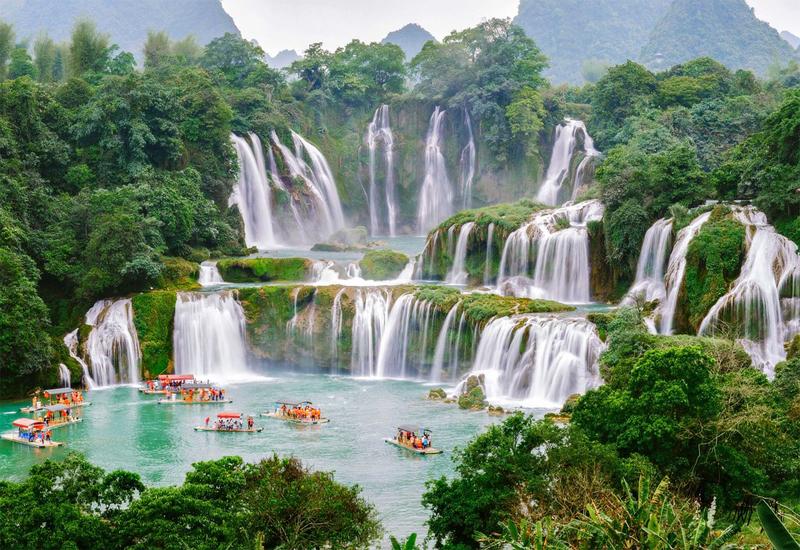
Hidden Gems in Cao Bang are the lesser-known places, experiences, and landscapes that remain far from the usual tourist routes. While most visitors travel to Cao Bang for famous attractions, the province is also home to quiet valleys, remote mountain roads, traditional villages, and untouched natural scenery that receive only a fraction of the crowds. These hidden places offer a different perspective, allowing travelers to experience the authentic beauty and peaceful atmosphere that make northern Vietnam so special.
Many travelers overlook these destinations because they have limited time, follow popular itineraries, or simply don't know what lies beyond the well-known highlights. As a result, they often miss the slower, more authentic side of Cao Bang, where local culture, dramatic landscapes, and everyday rural life create memorable experiences without large tour groups or busy viewpoints.
If you're looking to escape crowded attractions and discover places that feel genuinely untouched, exploring the Hidden Gems in Cao Bang is one of the best ways to experience the province. From scenic backroads to quiet cultural encounters, this guide will introduce the hidden side of Cao Bang that many visitors never have the chance to see.
What Makes Cao Bang Full of Hidden Gems?
Cao Bang remains one of Vietnam's least crowded destinations. Beyond Ban Gioc Waterfall, the province offers remote valleys, stone villages, mountain passes, lakes, waterfalls, and authentic ethnic communities that many travelers never see. Its vast landscapes and relatively low visitor numbers make it one of the country's best places to discover hidden gems.
Why Cao Bang Is Still Underrated
Unlike destinations such as Ha Long Bay, Sapa, or the Ha Giang Loop, Cao Bang has developed tourism at a slower pace. Many international travelers only recognize Ban Gioc Waterfall, while the rest of the province remains largely unexplored. Limited public transportation, fewer large hotels, and less international promotion have helped preserve its authentic character.
For travelers, this means quieter viewpoints, uncrowded roads, and more opportunities to interact with local communities. Instead of competing with tour buses and large crowds, visitors can enjoy peaceful landscapes and a more relaxed travel experience throughout the province.
UNESCO Geopark Beyond the Famous Attractions
Cao Bang is part of the UNESCO Non Nuoc Cao Bang Global Geopark, an area recognized for its remarkable geological heritage, biodiversity, and cultural diversity. While famous sites attract most visitors, the geopark extends across a much larger region filled with limestone mountains, hidden caves, pristine rivers, traditional villages, and scenic valleys that remain off the typical tourist trail.
These lesser-known locations showcase the same spectacular landscapes that made Cao Bang internationally significant, often with a greater sense of tranquility. Exploring beyond the headline attractions reveals the true scale and natural richness of the geopark.
Who Should Explore Hidden Places?
The hidden gems of Cao Bang are ideal for travelers who enjoy slow travel, photography, nature, and authentic cultural experiences. Motorbike riders, road trip enthusiasts, hikers, and anyone seeking peaceful scenery will find far more than the province's famous landmarks.
These destinations are also perfect for repeat visitors who have already seen Ban Gioc Waterfall or want to experience a quieter side of northern Vietnam. Rather than rushing between popular attractions, exploring hidden places allows you to discover the landscapes, traditions, and local lifestyles that make Cao Bang one of Vietnam's most rewarding travel destinations.
Hidden Natural Wonders in Cao Bang
Beyond its famous landmarks, Hidden Gems in Cao Bang are often found in quiet natural landscapes that remain largely untouched by mass tourism. These places showcase the province's incredible diversity, from dramatic limestone mountains and peaceful valleys to emerald lakes, hidden waterfalls, and winding mountain roads. Although reaching some of these destinations requires extra travel time, the reward is a more authentic experience surrounded by nature rather than crowds.
| Place | Best For | Crowds |
|---|---|---|
| Angel Eye Mountain | Photography | Low |
| Phong Nam Valley | Landscape | Very Low |
| Ban Sam Waterfall | Waterfall | Very Low |
| Thang Hen Lake | Relaxation | Low |
| Khau Coc Cha Pass | Motorbike | Very Low |
Angel Eye Mountain
Angel Eye Mountain is one of Cao Bang's most unique natural landmarks, famous for the enormous circular hole that passes through the limestone mountain. Surrounded by wide grasslands, small lakes, and towering karst peaks, the scenery changes beautifully with each season. Sunrise and sunset are especially rewarding, making it a favorite destination for photographers while remaining far quieter than many of Vietnam's better-known viewpoints.
Phong Nam Valley
Located near the Chinese border, Phong Nam Valley is a peaceful landscape of rice fields, traditional villages, winding rivers, and limestone mountains. The valley feels largely untouched by modern tourism, allowing visitors to experience rural life at a slower pace. During the rice harvest seasons, the combination of golden fields and dramatic mountain backdrops creates one of the most picturesque scenes in northern Vietnam.
Thang Hen Lake
Thang Hen Lake is a tranquil freshwater lake surrounded by dense forests and limestone mountains. Unlike crowded tourist lakes elsewhere in Vietnam, it offers a calm atmosphere ideal for relaxing, boating, or simply enjoying the scenery. Morning mist often drifts across the water, creating a peaceful setting that attracts photographers and travelers looking for a quiet escape.
Ban Sam Waterfall
Often overshadowed by the famous Ban Gioc Waterfall, Ban Sam Waterfall is one of Cao Bang's lesser-known natural attractions. Hidden within a forested landscape, it offers clear water, fresh mountain air, and a peaceful environment with very few visitors. Its secluded location makes it an excellent stop for travelers who prefer discovering places beyond the typical sightseeing route.
Khau Coc Cha Pass
Khau Coc Cha Pass is one of the most spectacular mountain roads in Cao Bang, featuring a series of dramatic hairpin bends carved into steep limestone cliffs. The winding road offers breathtaking panoramic views and has become increasingly popular among experienced motorbike riders. Despite its impressive scenery, it remains far less crowded than many famous mountain passes elsewhere in northern Vietnam.
Hidden Viewpoints
Some of the best views in Cao Bang are not marked on tourist maps. Small hills overlooking valleys, quiet roadside lookouts, and local viewpoints near ethnic villages often provide unforgettable panoramas without any entrance fees or crowds. Exploring these lesser-known spots is one of the greatest rewards of traveling through Cao Bang, where simply taking a different road can reveal scenery that many visitors never experience.
Hidden Cultural Gems
One of the most rewarding parts of exploring the Hidden Gems in Cao Bang is discovering the province's rich cultural heritage. Beyond the spectacular landscapes, Cao Bang is home to centuries-old craft villages and ethnic communities that continue to preserve their traditions. Visiting these places allows travelers to experience local life, learn traditional skills, and support community-based tourism while avoiding crowded attractions.
Phia Thap Incense Village
Phia Thap Incense Village is famous for its handcrafted incense made using natural forest ingredients and traditional techniques passed down through generations of the Nung An people. Walking through the village, visitors can watch artisans dye, dry, and arrange colorful incense bundles that create beautiful photo opportunities, especially on sunny days.
The best time to visit is during the dry season from October to April, when incense is laid outside to dry naturally. Morning visits provide the chance to observe local families at work while enjoying a peaceful village atmosphere.
Phuc Sen Blacksmith Village
For more than 300 years, Phuc Sen Village has been renowned for traditional blacksmithing. Local craftsmen continue to produce knives, farming tools, and household utensils using hand-forged methods that have changed very little over time. The rhythmic sound of hammers striking hot steel is part of the village's daily life.
Visitors can watch the forging process, speak with local blacksmiths, and purchase handmade products directly from the workshops. The village can be visited year-round, although cooler months offer a more comfortable experience.
Khuoi Ky Stone Village
Khuoi Ky Stone Village is one of the most distinctive traditional villages in northern Vietnam. Built almost entirely from locally sourced stone, its centuries-old houses blend naturally into the surrounding limestone landscape. The village is also home to the Tay ethnic community, whose customs, architecture, and hospitality remain well preserved.
An overnight stay at a local homestay offers the best experience, allowing visitors to enjoy traditional meals, cultural performances, and the peaceful atmosphere after most day-trippers have left.
Local Tay Villages
Scattered throughout Cao Bang's valleys and riverbanks, Tay villages provide an authentic glimpse into rural life. Traditional stilt houses, rice farming, fishing, and weaving remain central to daily life, while visitors are welcomed with genuine hospitality rather than commercial tourism.
The harvest seasons in September and October are especially beautiful, as golden rice fields surround the villages and local festivals often take place during this period.
Nung Villages
The Nung communities of Cao Bang are known for their craftsmanship, traditional architecture, and long-preserved cultural identity. Many villages continue producing incense, blacksmith products, handmade textiles, and local specialties using techniques inherited over generations.
Visiting during weekly markets or traditional festivals offers the richest cultural experience, giving travelers the opportunity to see local customs, sample regional foods, and interact with residents in an authentic setting. These communities represent some of the most meaningful Hidden Gems in Cao Bang, where culture is experienced through everyday life rather than staged performances.
Hidden Roads and Scenic Drives
Some of the most unforgettable Hidden Gems in Cao Bang are not destinations at all—they are the roads connecting them. Unlike many tourist regions where the journey is simply a way to reach an attraction, Cao Bang's mountain roads, riverside routes, and quiet village lanes are experiences in their own right. With relatively light traffic and spectacular scenery, these drives reveal a side of northern Vietnam that many travelers never see.
| Road | Best Time | Difficulty |
|---|---|---|
| Me Pia Pass | September–November | Moderate |
| Ma Phuc Pass | October–April | Easy to Moderate |
| Quay Son River Road | September–May | Easy |
| Border Roads | October–April | Moderate |
| Small Village Roads | Year-round (dry weather preferred) | Easy |
Me Pia Pass
Me Pia Pass is one of Cao Bang's most dramatic mountain roads, featuring fourteen sharp switchbacks climbing through towering limestone mountains. Although less famous than the Ha Giang Loop, the pass offers equally breathtaking scenery with far fewer vehicles. Each turn reveals expansive views over forests, valleys, and rugged peaks, making it a favorite among experienced motorbike riders and landscape photographers.
Ma Phuc Pass
Located along one of Cao Bang's main scenic routes, Ma Phuc Pass combines impressive limestone formations with gentle curves that are suitable for most drivers. The surrounding valleys change color throughout the year, from vibrant green in summer to golden rice fields in autumn. Several roadside viewpoints make it easy to stop and enjoy the landscape without rushing through the journey.
Quay Son River Road
The road following the Quay Son River is one of the province's most peaceful drives. Running alongside crystal-clear water, rice fields, and traditional villages, it offers a slower pace than the mountain passes while showcasing some of Cao Bang's most picturesque countryside. Early morning and late afternoon provide the best lighting for photography and a particularly tranquil atmosphere.
Border Roads
Many of Cao Bang's border roads wind through remote valleys near the Vietnam–China frontier. These routes pass small farming communities, limestone mountains, and quiet rivers that remain largely untouched by tourism. Driving here offers a rare opportunity to experience authentic rural life while enjoying some of the province's most secluded scenery.
Small Village Roads
Some of the best discoveries in Cao Bang happen after leaving the main highways. Narrow roads connecting Tay and Nung villages often lead through rice terraces, bamboo forests, wooden bridges, and peaceful countryside where everyday local life unfolds. Traveling slowly along these backroads allows visitors to appreciate the authentic charm that defines many of the Hidden Gems in Cao Bang, turning the journey itself into one of the most memorable parts of the trip.
Hidden Local Food Experiences
One of the most authentic Hidden Gems in Cao Bang is not found at a famous restaurant but through everyday local dining experiences. Instead of searching for popular dishes in tourist areas, take the opportunity to eat where local people gather. From village markets to family kitchens, these experiences offer a genuine taste of Cao Bang's culture while providing a deeper connection with the communities you visit.
Village Markets
Small weekly markets are among the best places to experience local food culture. Farmers and ethnic communities gather early in the morning to sell fresh vegetables, seasonal produce, homemade snacks, and traditional ingredients harvested from nearby mountains and forests. Even if you don't recognize every item, walking through the market provides an authentic glimpse into daily life that most visitors never experience.
Roadside Restaurants
Many of Cao Bang's best meals are served in simple roadside eateries rather than well-known restaurants. These family-run establishments usually prepare food using locally sourced ingredients and recipes passed down through generations. Menus are often small, but the meals are fresh, affordable, and reflect what local people actually eat every day instead of dishes prepared specifically for tourists.
Local Breakfast
Starting the day with breakfast alongside local residents is one of the easiest ways to experience everyday life in Cao Bang. Small cafés and neighborhood food stalls open early, creating a lively morning atmosphere as people gather before work. Rather than seeking famous restaurants, choose a busy local spot where fresh ingredients and homemade recipes are served in a relaxed, welcoming environment.
Family Meals
Staying in a homestay offers the chance to enjoy home-cooked meals prepared by local families. Ingredients often come directly from home gardens, nearby farms, or surrounding forests, depending on the season. Sharing dinner around the family table is not only about the food but also about learning local traditions, hearing stories, and experiencing the warm hospitality of Cao Bang's ethnic communities.
Seasonal Specialties
Many of Cao Bang's most memorable food experiences depend on the season rather than a fixed menu. Spring brings fresh mountain vegetables, summer offers abundant forest produce, autumn is known for harvest ingredients, and winter features preserved foods prepared using traditional methods. Visiting during different times of the year allows travelers to experience the changing flavors of the region while discovering another side of the Hidden Gems in Cao Bang.
Hidden Experiences You Shouldn't Miss
The true Hidden Gems in Cao Bang are often experiences rather than specific attractions. Slowing down, taking quieter roads, and spending time with local communities can leave a far stronger impression than simply checking famous landmarks off an itinerary. These activities offer a more personal and authentic way to explore one of Vietnam's most unspoiled provinces.
Stay in Remote Homestays
Instead of staying only in Cao Bang City, spend a night in a remote homestay surrounded by mountains and rice fields. Small family-run accommodations provide a peaceful environment, homemade meals, and the chance to learn about the daily lives of Tay and Nung communities. Evenings are especially memorable, with quiet villages replacing the noise of busy tourist areas.
Watch Sunrise Over the Valleys
Cao Bang's valleys are at their most beautiful during the first hours of the morning. As mist slowly lifts from the rice fields and limestone peaks, the landscape transforms into one of northern Vietnam's most breathtaking scenes. Early sunrise viewpoints are usually quiet, allowing photographers and nature lovers to enjoy the scenery without crowds.
Visit Local Weekly Markets
Weekly markets are where people from surrounding villages gather to trade agricultural products, handmade goods, livestock, and seasonal produce. More than shopping destinations, these markets are important social gatherings that reflect local traditions and community life. Visiting in the morning offers the most vibrant atmosphere and the greatest variety of local products.
Camp Under the Stars
Several quiet valleys and lakes around Cao Bang provide excellent opportunities for camping. Spending a night outdoors allows travelers to experience peaceful evenings, fresh mountain air, and remarkably clear night skies far from city lights. Always choose designated camping areas or camp with the permission of local residents to help protect the environment.
Explore Backroads with an Easy Rider
Joining an Easy Rider tour is one of the best ways to reach places that are rarely included in standard itineraries. Local riders know hidden mountain roads, scenic viewpoints, and quiet villages that many independent travelers would never discover. The journey itself often becomes the highlight of the experience.
Enjoy a Riverside Picnic
Many rivers flowing through Cao Bang pass untouched countryside with peaceful spots perfect for a picnic. Bringing local food and spending a quiet afternoon beside clear water is a simple yet memorable way to appreciate the province's natural beauty away from busy attractions.
Join Traditional Workshops
Several villages welcome visitors to observe or participate in traditional crafts such as incense making, blacksmithing, weaving, or bamboo handicrafts. These hands-on experiences offer a deeper understanding of local culture while supporting communities that continue preserving centuries-old skills.
Capture Everyday Life Through Photography
Beyond dramatic landscapes, Cao Bang is an outstanding destination for travel photography because of its authentic daily life. Farmers working in rice fields, children cycling through villages, buffalo grazing beneath limestone mountains, and artisans practicing traditional crafts all create meaningful moments that cannot be found at typical tourist attractions. These genuine scenes are what truly define the Hidden Gems in Cao Bang.
Suggested Hidden Gems Itinerary
If you've already visited Cao Bang's famous attractions—or simply want a quieter adventure—consider an itinerary focused on the province's lesser-known destinations. These routes avoid the busiest tourist stops and instead combine scenic backroads, traditional villages, peaceful landscapes, and authentic local experiences. Traveling at a relaxed pace also gives you more opportunities to interact with local communities and enjoy the journey itself.
| Duration | Suggested Route | Highlights |
|---|---|---|
| 2 Days | Cao Bang City → Phuc Sen → Ma Phuc Pass → Phia Thap → Khuoi Ky | Craft villages, mountain scenery, local culture |
| 3 Days | 2-Day Route + Phong Nam Valley → Quay Son River Road → Remote Homestay | Scenic valleys, quiet countryside, sunrise |
| 4 Days | 3-Day Route + Thang Hen Lake → Khau Coc Cha Pass → Ban Sam Waterfall | Lakes, hidden roads, waterfalls, photography |
2-Day Hidden Escape
This itinerary is ideal for travelers with limited time who want to experience Cao Bang beyond the usual attractions. Begin with Phuc Sen Blacksmith Village before crossing the scenic Ma Phuc Pass. Continue to Phia Thap Incense Village to observe traditional craftsmanship, then spend the evening in Khuoi Ky Stone Village. Staying overnight in a local homestay provides a chance to enjoy authentic hospitality and a peaceful mountain atmosphere.
3-Day Slow Travel Experience
With an extra day, head toward Phong Nam Valley and follow the quiet Quay Son River Road instead of returning directly to the city. The route passes rice fields, limestone mountains, and small Tay and Nung villages where daily life continues much as it has for generations. Spend the night in a remote homestay and wake early to watch sunrise over the valley, one of Cao Bang's most rewarding hidden experiences.
4-Day Off-the-Beaten-Path Adventure
A four-day journey allows enough time to explore some of Cao Bang's most secluded natural landscapes. Visit the peaceful Thang Hen Lake before driving the spectacular Khau Coc Cha Pass, where dramatic hairpin bends offer panoramic mountain views. Continue to Ban Sam Waterfall for a quiet afternoon surrounded by forest before returning through small village roads that reveal another side of the province rarely included in standard itineraries.
Unlike traditional Cao Bang itineraries that focus primarily on Ban Gioc Waterfall and major landmarks, these routes emphasize slower travel, authentic cultural encounters, and lesser-known destinations. They are particularly suitable for photographers, motorbike riders, and travelers who enjoy discovering places where nature and local life remain largely untouched by mass tourism.
Travel Tips for Exploring Hidden Gems
Exploring the Hidden Gems in Cao Bang often means traveling beyond the main tourist routes. While these quieter destinations reward visitors with beautiful scenery and authentic experiences, they also require a little more preparation. Following a few practical tips will help you travel safely, respect local communities, and make the most of your journey.
Download Offline Maps
Mobile coverage is generally reliable around towns but can become weak or unavailable in remote valleys and mountain areas. Download offline maps before leaving Cao Bang City so you can continue navigating even without an internet connection. It's also helpful to mark your accommodation, fuel stations, and planned stops in advance.
Carry Enough Cash
Many hidden villages, roadside cafés, and family-run homestays do not accept credit cards or digital payments. Carrying enough Vietnamese Dong allows you to pay for meals, entrance fees, local products, and small purchases without relying on ATMs, which may be unavailable outside larger towns.
Fill Your Fuel Tank Early
Fuel stations become less frequent once you leave the main highways. If you're traveling by motorbike or car, refill whenever you have the opportunity, especially before driving through mountain passes or remote border areas. Having a full tank provides extra flexibility if you decide to explore side roads.
Respect Local Customs
Many hidden destinations are home to Tay, Nung, Dao, and other ethnic communities. Dress respectfully, ask permission before photographing people, and be mindful when entering villages or private property. Friendly interactions and simple greetings are often appreciated and help create meaningful cultural exchanges.
Leave No Trace
The natural beauty of Cao Bang remains well preserved because many areas receive relatively few visitors. Take all rubbish with you, avoid damaging plants or rock formations, and stay on established paths whenever possible. Responsible travel helps protect these places for future visitors and local communities.
Avoid Driving After Dark
Mountain roads often have limited lighting, sharp bends, and occasional fog, making nighttime driving more challenging. Plan your itinerary so you arrive at your accommodation before sunset whenever possible, especially if you're unfamiliar with the area.
Check the Weather
Weather conditions can change quickly in northern Vietnam, particularly during the rainy season. Before setting out each day, check the local forecast and road conditions. Heavy rain may affect visibility, make mountain roads slippery, or temporarily limit access to some of the Hidden Gems in Cao Bang, so allowing flexibility in your itinerary is always a good idea.
Common Mistakes
Many travelers come to Cao Bang with limited time and focus only on the province's most famous attractions. While there's nothing wrong with visiting well-known landmarks, a few common mistakes can prevent you from discovering the authentic Hidden Gems in Cao Bang. Avoiding these issues will help you enjoy a more rewarding and relaxed journey.
Only Visiting Ban Gioc Waterfall
Ban Gioc Waterfall deserves its reputation, but many visitors make it their only destination before leaving Cao Bang. In reality, the province's greatest appeal often lies in its quiet valleys, traditional villages, scenic mountain roads, and lesser-known natural attractions. Setting aside an extra day or two allows you to experience a much broader side of the region.
Following Google Maps Blindly
Navigation apps are useful, but they don't always recommend the most scenic or practical routes in rural Cao Bang. Some suggested roads may be rough, seasonal, or no longer in use. Before turning onto remote roads, check with your accommodation or local residents to confirm current conditions and choose the safest route.
Not Bringing Enough Cash
ATMs become increasingly scarce outside Cao Bang City, and many village cafés, homestays, local markets, and family-run businesses only accept cash. Carrying sufficient Vietnamese Dong helps you avoid unnecessary inconvenience and supports small local businesses directly.
Visiting During Midday
The soft morning light and late afternoon sunshine reveal Cao Bang's landscapes at their best. Arriving at scenic viewpoints around midday often means harsh lighting, higher temperatures, and fewer opportunities for memorable photography. Starting early also gives you more time to explore without rushing.
Missing Local Markets
Many travelers drive through villages without realizing that weekly markets are among the best places to experience local culture. If your schedule allows, plan your route around market days to enjoy authentic food, traditional products, and everyday community life.
Ignoring Road Conditions
Mountain roads can change quickly after heavy rain, particularly in remote border areas. Before leaving, ask local hosts about road conditions and weather forecasts instead of assuming every route will be suitable for your vehicle.
Underestimating Travel Time
Distances in Cao Bang may appear short on a map, but winding mountain roads naturally slow travel. Frequent photo stops, village visits, and scenic viewpoints also add time to the journey. Building a flexible schedule allows you to explore comfortably and discover unexpected Hidden Gems in Cao Bang without feeling pressured to rush from one destination to the next.
Our Local Insight
After exploring Cao Bang through different seasons, we've found that the province's greatest experiences are often the ones that don't appear on the first page of travel guides. While every traveler has their own preferences, these are the kinds of places and moments that consistently leave the strongest impression on visitors looking for authentic Hidden Gems in Cao Bang.
Our favorite hidden viewpoints are usually found along the quieter roads connecting small villages rather than at official observation decks. If a road climbs gently above a valley, it's often worth stopping for a few minutes—you'll frequently discover wide panoramic views with almost no one else around.
For sunrise, we recommend choosing a valley instead of a mountain summit. Places around Phong Nam Valley and the countryside near Thang Hen Lake are often covered by soft morning mist, creating beautiful layers of limestone mountains as the first sunlight reaches the fields. Arriving just before sunrise offers the calmest atmosphere and the best photography conditions.
If you're looking for a quiet coffee break, skip the larger cafés in town and stop at a small roadside café in a village. These simple family-run cafés often overlook rice fields or mountain scenery, making them ideal places to slow down and observe local life.
One of our favorite picnic experiences is beside the Quay Son River, where quiet riverside areas away from the main tourist routes provide peaceful views and fresh mountain air. Remember to take all rubbish with you and leave the area exactly as you found it.
For accommodation, small family-run homestays in Tay and Nung villages usually provide a more memorable experience than larger hotels. Local hosts often know hidden viewpoints, scenic backroads, seasonal flower fields, and village events that rarely appear on online maps. Asking for their recommendations is one of the easiest ways to discover the true Hidden Gems in Cao Bang and experience the province beyond the standard tourist itinerary.
Conclusion
The famous attractions may introduce you to Cao Bang, but its lesser-known places are what truly make the province unforgettable. Exploring the Hidden Gems in Cao Bang means venturing beyond the usual sightseeing route to discover peaceful valleys, traditional villages, scenic mountain roads, authentic local culture, and quiet natural landscapes that remain largely untouched by mass tourism.
These hidden experiences are especially rewarding for travelers who enjoy slow travel, photography, motorbike adventures, and meaningful cultural encounters. Instead of simply visiting landmarks, you'll gain a deeper appreciation for the landscapes and communities that shape everyday life in one of northern Vietnam's most beautiful regions.
If you have extra time during your trip, don't stop at the famous highlights. Take the quieter roads, stay in a local homestay, and allow yourself to explore beyond the guidebook. You may discover that the most memorable moments in Cao Bang are not the ones everyone talks about, but the hidden places that feel like you've found them entirely on your own.