


Cao Bang vs Ha Giang: Which Northern Vietnam Destination Is Better?
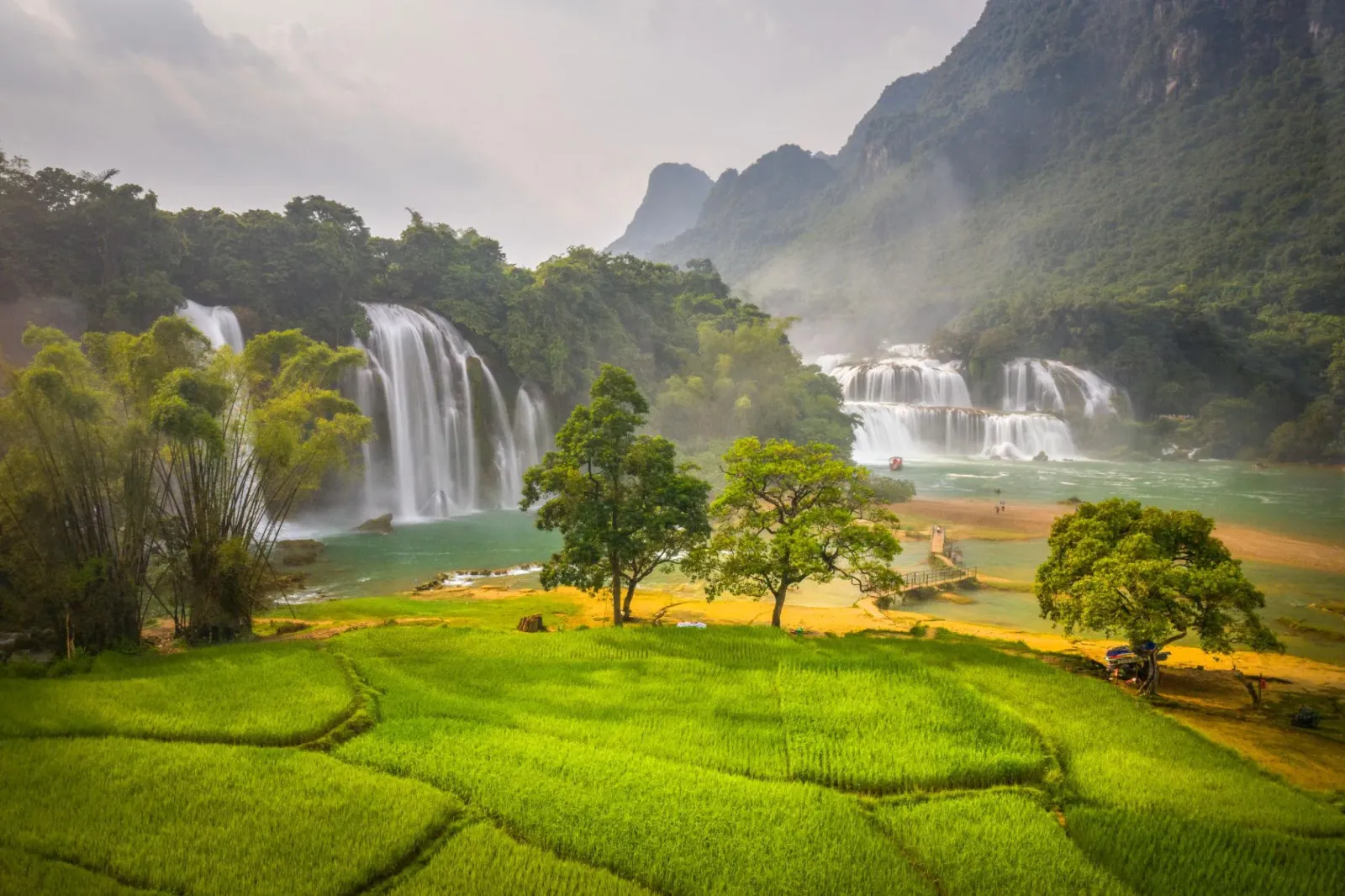
Cao Bang vs Ha Giang is one of the most common comparisons among travelers planning a trip to Northern Vietnam. Both destinations are celebrated for spectacular natural scenery, authentic ethnic culture, and unforgettable road trips, making the decision far more difficult than simply choosing one over the other. At first glance, they may appear similar, but the experiences they offer are surprisingly different.
Cao Bang is often associated with peaceful landscapes where waterfalls, emerald rivers, limestone mountains, and quiet valleys create a slower and more relaxing journey. In contrast, Ha Giang is known for dramatic mountain passes, towering cliffs, and thrilling roads that appeal to travelers seeking adventure and panoramic viewpoints. Neither destination is objectively better—the right choice depends on the type of travel experience you are looking for.
This Cao Bang vs Ha Giang comparison explores the strengths of each destination, from scenery and attractions to travel styles and outdoor experiences. By the end of this guide, you'll have a clear understanding of which province best matches your interests, whether you prefer tranquil nature, epic mountain adventures, cultural discoveries, or a combination of all three.
Cao Bang vs Ha Giang at a Glance
Quick Comparison Table
| Category | Cao Bang | Ha Giang |
|---|---|---|
| Landscape | Waterfalls, rivers, limestone mountains, lakes, valleys, and forests | High mountain passes, deep canyons, karst plateaus, and dramatic cliffs |
| Famous for | Ban Gioc Waterfall, Nguom Ngao Cave, Pac Bo, Angel Eye Mountain | Ha Giang Loop, Ma Pi Leng Pass, Dong Van Karst Plateau, Lung Cu Flag Tower |
| Best for | Relaxing nature trips, sightseeing, families, and first-time visitors | Adventure travel, motorbike expeditions, and experienced riders |
| Crowds | Generally quieter with fewer tourists | Much busier, especially during weekends and peak seasons |
| Difficulty | Easy to moderate | Moderate to challenging |
| Roads | Well-paved with gentle mountain roads in most areas | Steep mountain passes with frequent sharp bends and elevation changes |
| Loop | Scenic, peaceful, and less crowded Cao Bang Loop | World-famous Ha Giang Loop with dramatic mountain scenery |
| Waterfalls | Home to Vietnam's largest waterfall, Ban Gioc Waterfall | Few major waterfalls compared to Cao Bang |
| Mountains | Rolling limestone mountains mixed with valleys and rivers | Towering peaks, deep valleys, and spectacular mountain passes |
| Families | Excellent choice thanks to easier sightseeing and comfortable driving conditions | Better suited to families traveling by private car rather than motorbike |
| Adventure | Light outdoor adventures and scenic road trips | High-adrenaline motorbike journeys and challenging mountain routes |
| Photography | Waterfalls, lakes, rivers, rice fields, and peaceful valleys | Epic mountain landscapes, winding roads, and panoramic viewpoints |
| Budget | Slightly more affordable overall | Similar costs but often higher during peak travel periods |
| Food | Local specialties including roasted duck, sour pho, banh cuon, and smoked pork | Mountain cuisine featuring thắng cố, smoked meats, buckwheat cakes, and corn wine |
Is Cao Bang Better Than Ha Giang?
There is no single winner in the Cao Bang vs Ha Giang comparison because each destination offers a different travel experience. Cao Bang is ideal for travelers seeking peaceful scenery, waterfalls, and relaxed sightseeing, while Ha Giang is better suited to those looking for dramatic mountain landscapes and adventurous road trips. Your choice ultimately depends on your travel style rather than which province is objectively better.
Landscapes: Which Is More Beautiful?
Cao Bang Landscape
Cao Bang is defined by the harmony of water and mountains, creating some of the most varied natural scenery in Northern Vietnam. Instead of focusing on a single dramatic feature, the province combines waterfalls, rivers, valleys, forests, and limestone mountains into one continuous landscape. This diversity makes every drive feel different, with changing views around almost every corner.
The region is best known for Ban Gioc Waterfall, but its appeal extends far beyond a single attraction. Emerald rivers wind through fertile valleys, while peaceful lakes reflect surrounding peaks. Dense forests, open grasslands, and distinctive limestone formations add further variety, making Cao Bang an excellent destination for travelers who enjoy slow exploration, photography, and nature without large crowds.
Ha Giang Landscape
Ha Giang offers a completely different visual experience. Rather than tranquil scenery, it impresses visitors with immense mountain ranges, steep cliffs, and winding roads carved into rugged rock faces. The landscapes feel dramatic, wild, and constantly changing in elevation, creating unforgettable panoramic views throughout the journey.
The province is especially famous for its legendary mountain passes, including Ma Pi Leng Pass, where roads cling to towering cliffs above deep canyons. Much of Ha Giang lies within the Dong Van Karst Plateau, a UNESCO Global Geopark known for its striking limestone formations and unique geological features. The combination of rugged peaks, narrow valleys, and vast open viewpoints makes Ha Giang one of Vietnam's most spectacular mountain destinations.
Which One Feels More Diverse?
When comparing Cao Bang vs Ha Giang, the answer depends on what "diverse" means to you. Cao Bang offers greater diversity in natural features, combining waterfalls, rivers, caves, lakes, forests, valleys, and limestone mountains within a relatively compact area. Travelers can experience several completely different landscapes during a single trip without feeling that the scenery repeats itself.
Ha Giang, on the other hand, is more specialized. Its greatest strength lies in its dramatic mountain environment, where towering passes, deep canyons, and expansive karst plateaus create consistently breathtaking views. While the scenery is undeniably spectacular, it remains centered on mountainous terrain.
If you enjoy varied landscapes and peaceful natural attractions, Cao Bang is likely to feel more diverse. If your ideal journey revolves around epic mountain vistas and unforgettable roads, Ha Giang delivers a more intense and dramatic experience. Neither destination is more beautiful overall—they simply showcase different sides of Northern Vietnam's remarkable landscape.
Attractions Comparison
Ban Gioc Waterfall vs Ma Pi Leng Pass
Ban Gioc Waterfall and Ma Pi Leng Pass are the signature attractions of Cao Bang and Ha Giang, but they offer completely different experiences. Ban Gioc Waterfall is the largest natural waterfall in Vietnam, where cascading water, turquoise pools, and lush limestone mountains create a peaceful setting. Visitors can take a bamboo raft close to the falls, walk along scenic viewpoints, and enjoy the tranquil atmosphere.
Ma Pi Leng Pass is famous for its dramatic mountain scenery rather than a single landmark. Winding roads hug towering cliffs above the Nho Que River, offering some of Vietnam's most spectacular viewpoints. Instead of relaxing by the water, visitors come here to admire panoramic landscapes, ride one of the country's most iconic roads, or take a boat trip through Tu San Canyon.
Nguom Ngao Cave vs Lung Cu Flag Tower
Nguom Ngao Cave is one of Vietnam's most impressive limestone caves, stretching for several kilometers beneath the mountains. Inside, visitors discover enormous chambers filled with stalactites, stalagmites, and naturally sculpted rock formations. Well-maintained walkways and lighting make it accessible to most travelers.
Lung Cu Flag Tower represents a different kind of attraction. Located near Vietnam's northern frontier, it is a symbolic landmark known for its towering national flag and panoramic views across the surrounding mountains. Climbing to the top rewards visitors with sweeping scenery and a sense of reaching one of the country's most iconic destinations.
Pac Bo vs Dong Van Old Quarter
Pac Bo is a destination where natural beauty and cultural heritage come together. Visitors can explore peaceful forest surroundings, crystal-clear streams, and historical landmarks while enjoying a calm atmosphere away from busy tourist areas. The experience is reflective and suitable for travelers interested in both nature and heritage.
Dong Van Old Quarter offers a livelier atmosphere with traditional stone houses, cafés, restaurants, and a famous weekend market. Rather than focusing on natural scenery, it provides an opportunity to experience local architecture, ethnic minority culture, and the social life of Ha Giang's highlands, especially during festivals and market days.
Angel Eye Mountain vs Quan Ba Heaven Gate
Angel Eye Mountain is renowned for its unique circular hole in the limestone cliff, surrounded by grasslands, lakes, and peaceful valleys. The landscape is especially attractive for photography and travelers seeking quiet natural scenery with relatively few visitors.
Quan Ba Heaven Gate serves as one of the first major viewpoints when entering Ha Giang. From the overlook, visitors can admire rolling mountains and the famous Twin Mountains below. It is a classic stop for panoramic photography and a memorable introduction to the province's rugged landscapes.
Which Province Has More Attractions?
Both destinations offer a wide variety of attractions, but their focus differs. Cao Bang combines waterfalls, caves, lakes, rivers, valleys, historical sites, and scenic mountain landscapes. Ha Giang is centered around mountain passes, viewpoints, ethnic villages, geological landmarks, and cultural experiences.
| Attraction Type | Cao Bang | Ha Giang |
|---|---|---|
| Waterfalls | ★★★★★ | ★★☆☆☆ |
| Caves | ★★★★★ | ★★☆☆☆ |
| Mountain Passes | ★★★★☆ | ★★★★★ |
| Panoramic Viewpoints | ★★★★☆ | ★★★★★ |
| Historical & Cultural Sites | ★★★★★ | ★★★★☆ |
| Ethnic Villages | ★★★★☆ | ★★★★★ |
| Lakes & Rivers | ★★★★★ | ★★★☆☆ |
| Photography Variety | ★★★★★ | ★★★★★ |
In the Cao Bang vs Ha Giang comparison, neither province clearly has "more" attractions—they simply excel in different categories. Cao Bang provides a broader mix of natural and historical sites within a compact area, while Ha Giang stands out for its world-class mountain scenery, legendary roads, and iconic viewpoints. Travelers looking for variety may prefer Cao Bang, while those seeking dramatic landscapes will likely favor Ha Giang.
Cao Bang Loop vs Ha Giang Loop
Cao Bang Loop
The Cao Bang Loop is an excellent choice for travelers who prefer a slower pace and a stronger connection with nature. Instead of focusing on challenging roads, the route takes visitors through peaceful valleys, crystal-clear rivers, limestone mountains, traditional villages, and some of Northern Vietnam's most famous natural attractions. Highlights include Ban Gioc Waterfall, Nguom Ngao Cave, Angel Eye Mountain, Thang Hen Lake, and Phong Nam Valley.
Another advantage of the Cao Bang Loop is its relaxed atmosphere. Tourist traffic is relatively light, allowing visitors to stop frequently for photos, local meals, or short walks without feeling rushed. The roads are generally well maintained and less demanding than those in Ha Giang, making the journey enjoyable even for travelers who are not experienced motorbike riders.
Ha Giang Loop
The Ha Giang Loop is Vietnam's most famous motorbike route and has become a bucket-list adventure for travelers from around the world. The journey is defined by dramatic mountain passes, towering cliffs, deep valleys, and breathtaking viewpoints that create an unforgettable riding experience. Famous stops such as Ma Pi Leng Pass, Dong Van, Meo Vac, and Lung Cu Flag Tower attract thousands of visitors every year.
Adventure is at the heart of the Ha Giang Loop. Riders experience steep climbs, sharp bends, and constantly changing mountain scenery, making every day feel exciting. For those without riding experience, Easy Rider tours provide a popular alternative, allowing visitors to enjoy the route safely while local drivers handle the challenging roads.
Which Loop Is Better?
The answer depends entirely on your travel style rather than which route is more famous.
| Traveler Type | Better Choice | Why |
|---|---|---|
| Beginners | Cao Bang Loop | Gentler roads, lighter traffic, and a more relaxed driving experience. |
| Photographers | Both | Cao Bang offers waterfalls, rivers, lakes, and valleys, while Ha Giang excels in dramatic mountain panoramas and winding passes. |
| Families | Cao Bang Loop | Easier road conditions, shorter sightseeing stops, and a calmer atmosphere make it more comfortable for family travel. |
| Experienced Riders | Ha Giang Loop | Challenging mountain roads, famous passes, and longer riding days provide a more rewarding adventure. |
In the Cao Bang vs Ha Giang Loop comparison, neither route is universally better. The Cao Bang Loop is ideal for travelers seeking peaceful scenery, diverse natural attractions, and a comfortable road trip. The Ha Giang Loop is better suited to those chasing adventure, iconic mountain roads, and the thrill of riding through some of Vietnam's most spectacular landscapes. If you have enough time, experiencing both loops offers the most complete introduction to Northern Vietnam.
Roads and Driving Difficulty
Road conditions are one of the biggest differences in the Cao Bang vs Ha Giang comparison, especially for travelers planning to drive a motorbike or self-drive a car. While both provinces feature mountain roads, the level of difficulty varies considerably.
Cao Bang generally has wider, smoother roads with gradual curves and fewer steep climbs. Most highways connecting the province's major attractions are well paved and easy to navigate. Traffic is relatively light outside Cao Bang City, and heavy trucks are uncommon except on a few national highways. Even during mountain sections, the roads feel less intimidating, making the province suitable for beginners and travelers who prefer a relaxed driving experience.
Ha Giang demands more confidence behind the wheel. The province is famous for narrow mountain passes, continuous hairpin bends, and steep climbs that require greater concentration. Roads such as Ma Pi Leng Pass and routes between Dong Van and Meo Vac offer breathtaking scenery but can be challenging for inexperienced riders. Tourist traffic has also increased significantly in recent years, especially during weekends and holidays, when motorbikes, cars, and tour buses share the same winding roads.
Weather affects both destinations, but the impact is often greater in Ha Giang because of higher elevations and more exposed mountain passes. Heavy rain, fog, or low clouds can reduce visibility and make steep roads more demanding. Cao Bang also experiences slippery roads during wet weather, although the gentler terrain usually makes driving less stressful.
Difficulty Score
| Driving Factor | Cao Bang | Ha Giang |
|---|---|---|
| Road Quality | ⭐⭐⭐⭐⭐ | ⭐⭐⭐⭐☆ |
| Sharp Curves | ⭐⭐☆☆☆ | ⭐⭐⭐⭐⭐ |
| Steepness | ⭐⭐☆☆☆ | ⭐⭐⭐⭐⭐ |
| Traffic | ⭐⭐⭐⭐☆ | ⭐⭐⭐☆☆ |
| Heavy Trucks | ⭐⭐⭐⭐☆ | ⭐⭐⭐☆☆ |
| Weather Impact | ⭐⭐⭐☆☆ | ⭐⭐⭐⭐☆ |
| Overall Driving Difficulty | 3/5 (Easy–Moderate) | 4.5/5 (Moderate–Challenging) |
For most travelers, Cao Bang offers a more comfortable and forgiving driving experience, making it an excellent choice for first-time visitors and casual riders. Ha Giang, meanwhile, rewards confident drivers with some of Vietnam's most spectacular mountain roads, but the route requires greater skill, caution, and experience to enjoy safely.
Best Time to Visit
Both destinations can be visited throughout the year, but the best season depends on the type of scenery you want to experience. In the Cao Bang vs Ha Giang comparison, each season highlights different landscapes and activities.
Spring (March–May)
Spring brings mild temperatures, fresh greenery, and colorful blossoms to both provinces. Cao Bang is particularly attractive as waterfalls and rivers become clearer, while forests and valleys are covered in new vegetation. Ha Giang also looks beautiful during this period, with peach and plum blossoms adding color to the mountain slopes. The pleasant weather makes spring an excellent season for sightseeing and road trips in both destinations.
Summer (June–August)
Summer transforms Cao Bang into a lush green paradise. Ban Gioc Waterfall reaches one of its most impressive water levels, while lakes, rivers, and forests appear vibrant after seasonal rainfall. Ha Giang also becomes greener, but heavy showers can make mountain roads slippery and reduce visibility on high passes. Travelers planning a motorbike trip should monitor weather conditions carefully during this season.
Autumn (September–November)
Autumn is widely considered the best time to visit both provinces. Cao Bang offers golden rice fields, pleasant temperatures, and clear skies that are ideal for photography. In Ha Giang, buckwheat flowers begin to bloom, while the crisp air and excellent visibility create spectacular views from famous mountain passes. September and October are often regarded as the peak months for exploring either destination.
Winter (December–February)
Winter provides a completely different atmosphere. Cao Bang becomes quieter, with cool temperatures and occasional morning mist adding charm to waterfalls and valleys. Ha Giang feels more dramatic as clouds drift through mountain passes and higher elevations become noticeably colder. Although visibility can sometimes be limited by fog, winter offers a unique experience for photographers and travelers seeking fewer crowds.
Best Months to Visit
| Season | Cao Bang | Ha Giang |
|---|---|---|
| March–May | ★★★★★ Fresh landscapes and comfortable weather | ★★★★★ Blossoms and excellent road-trip conditions |
| June–August | ★★★★☆ Powerful waterfalls and lush scenery | ★★★☆☆ Beautiful but frequent rain in the mountains |
| September–November | ★★★★★ Golden rice fields and clear skies | ★★★★★ Buckwheat flowers and iconic mountain views |
| December–February | ★★★★☆ Peaceful atmosphere and misty valleys | ★★★★☆ Dramatic cloud-covered mountains and fewer tourists |
Overall, September to November is the best time to visit both destinations. If your priority is waterfalls, rivers, and diverse natural scenery, Cao Bang is especially rewarding from late summer through autumn. If you're drawn to mountain passes, panoramic viewpoints, and buckwheat flower season, Ha Giang reaches its peak beauty during autumn.
Costs Comparison
Travel costs in Cao Bang vs Ha Giang are relatively similar, making both provinces excellent value compared with many other destinations in Vietnam. Accommodation, local food, and transportation are generally affordable, although Ha Giang tends to become more expensive during weekends and peak travel seasons due to its popularity.
Motorbike rental prices are nearly identical in both provinces, but visitors in Ha Giang often spend more on fuel because the loop covers longer distances and includes continuous mountain climbs. Hotels and homestays are available across a wide price range, from budget dormitories to comfortable boutique accommodations. Cao Bang usually offers slightly better value, particularly outside major attractions.
Food prices remain reasonable in both destinations. Local restaurants serve traditional dishes at affordable prices, while entrance fees to attractions are also inexpensive. One noticeable difference is the popularity of Easy Rider services in Ha Giang. Because of strong demand, Easy Rider tours are more widely available but also tend to cost more than similar services in Cao Bang.
Multi-day tours follow the same pattern. Group tours in Cao Bang are often slightly cheaper, while Ha Giang's international reputation and higher visitor numbers can push prices higher, especially during the autumn travel season.
| Expense | Cao Bang | Ha Giang |
|---|---|---|
| Motorbike Rental | US$8–12/day | US$8–15/day |
| Hotel / Homestay | US$15–40/night | US$18–45/night |
| Local Food | US$2–5/meal | US$2–6/meal |
| Entrance Fees | US$1–3 per attraction | US$1–3 per attraction |
| Fuel | US$4–7/day | US$5–8/day |
| Easy Rider | US$35–55/day | US$45–70/day |
| Multi-day Tour | US$120–220 | US$150–280 |
| Average Daily Budget | US$35–70 | US$40–80 |
Is Cao Bang Cheaper Than Ha Giang?
Yes, Cao Bang is generally slightly cheaper than Ha Giang, although the difference is not significant. Accommodation, food, and attraction fees are comparable, but travelers in Cao Bang often spend less on fuel, Easy Rider services, and organized tours. If you're traveling on a tight budget, Cao Bang usually provides better overall value, while Ha Giang may cost more because of higher tourism demand during peak seasons.
Which Destination Matches Your Travel Style?
Solo Travelers
Both destinations are excellent for solo travelers, but they suit different personalities. Cao Bang is ideal if you enjoy independent exploration, quiet roads, and relaxed sightseeing without large crowds. Ha Giang is better for travelers who enjoy meeting people, as its famous loop attracts backpackers and Easy Rider groups from around the world, creating a lively social atmosphere.
Couples
Couples looking for peaceful scenery and romantic landscapes will likely prefer Cao Bang. Waterfalls, emerald rivers, tranquil lakes, and scenic valleys create beautiful settings for slow travel and photography. Ha Giang is a better choice for adventurous couples who enjoy challenging road trips, mountain viewpoints, and unforgettable rides through dramatic landscapes.
Families
For families, Cao Bang is generally the more comfortable destination. Attractions are easier to access, road conditions are less demanding, and the pace of travel is more relaxed. Families with young children or elderly members can visit several highlights without spending long hours on steep mountain roads.
Photographers
Photographers will find exceptional opportunities in both provinces. Cao Bang offers a wider variety of subjects, including waterfalls, caves, rivers, lakes, forests, rice fields, and limestone mountains. Ha Giang specializes in dramatic mountain scenery, winding roads, cloud-covered peaks, and colorful buckwheat flower fields. If landscape diversity is your priority, Cao Bang has a slight advantage, while Ha Giang excels in epic panoramic photography.
Motorbike Riders
Experienced motorbike riders are often drawn to Ha Giang because of its legendary mountain passes and technically challenging roads. The Ha Giang Loop is one of Asia's most famous riding routes. Cao Bang, however, is better suited to beginners or travelers who want to enjoy scenic riding without constantly navigating steep climbs and sharp bends.
Nature Lovers
Nature enthusiasts will appreciate both destinations, but the experience is different. Cao Bang showcases remarkable diversity, combining waterfalls, rivers, caves, forests, lakes, and valleys within a relatively compact area. Ha Giang focuses on towering mountains, deep canyons, and dramatic geological formations. Travelers seeking varied natural landscapes may find Cao Bang more rewarding.
History Lovers
History and culture enthusiasts should consider Cao Bang, home to important heritage sites such as Pac Bo and several traditional ethnic villages. Ha Giang also offers fascinating cultural experiences through its local markets, ancient towns, and diverse ethnic communities, but its primary appeal lies in its mountain landscapes rather than historical landmarks.
Luxury Travelers
Neither province is known for luxury tourism on the scale of Vietnam's major cities or beach destinations. However, Cao Bang has a growing selection of boutique hotels and comfortable resorts near its key attractions, while Ha Giang offers stylish mountain lodges and premium Easy Rider experiences. Travelers seeking comfort can enjoy either destination with well-planned accommodations and private transportation.
Budget Backpackers
Budget backpackers can travel affordably in both provinces. Cao Bang generally provides slightly lower accommodation and tour prices while offering a quieter experience. Ha Giang remains a backpacker favorite thanks to its hostels, group tours, and vibrant traveler community. In the Cao Bang vs Ha Giang comparison, choose Cao Bang for better value and peaceful exploration, or Ha Giang for a more social and adventure-focused backpacking experience.
Can You Visit Both?
The answer is yes—and if your schedule allows, combining Cao Bang and Ha Giang is one of the best ways to experience Northern Vietnam. Rather than choosing between the two, you can enjoy Ha Giang's dramatic mountain passes before continuing east to Cao Bang's waterfalls, rivers, caves, and peaceful valleys. The journey also avoids retracing the same roads, making it a rewarding circular route with constantly changing scenery.
Suggested Route
A practical itinerary follows this route:
Hanoi → Ha Giang → Bao Lac → Cao Bang → Ban Gioc Waterfall → Hanoi
Most travelers begin in Ha Giang, where the mountain roads are at their most exciting. After completing the Ha Giang Loop, the route continues through Bao Lac, a scenic mountain district connecting the two provinces. From there, visitors can explore Cao Bang City before heading to famous attractions such as Ban Gioc Waterfall, Nguom Ngao Cave, Angel Eye Mountain, or Pac Bo, depending on the available time.
Road conditions between Ha Giang and Cao Bang are generally good, although several mountain sections require careful driving. Travelers can complete the route independently by motorbike or private car, while guided tours are also available for those who prefer a more relaxed experience.
Recommended Duration
| Duration | Suggested Itinerary | Best For |
|---|---|---|
| 5 Days | Hanoi → Ha Giang (2 days) → Bao Lac → Ban Gioc → Hanoi | Travelers with limited time who want to experience both provinces' highlights. |
| 6 Days | Hanoi → Ha Giang Loop (3 days) → Bao Lac → Cao Bang → Ban Gioc → Hanoi | The best balance between sightseeing and driving without feeling rushed. |
| 7 Days | Hanoi → Ha Giang Loop (3 days) → Bao Lac → Cao Bang (3 days) → Hanoi | Travelers wanting a complete experience, including Ban Gioc Waterfall, Nguom Ngao Cave, Angel Eye Mountain, Pac Bo, and local villages. |
A 6-day itinerary is the most popular choice because it provides enough time to enjoy both destinations while maintaining a comfortable pace. If possible, 7 days is even better, allowing extra time to explore Cao Bang beyond Ban Gioc Waterfall. In the Cao Bang vs Ha Giang comparison, visiting both provinces offers the most complete journey through Northern Vietnam, combining legendary mountain roads with some of the country's most beautiful waterfalls, valleys, caves, and cultural landmarks.
Pros and Cons
Cao Bang Pros
Cao Bang stands out for its remarkable diversity of natural attractions. Within a relatively compact area, travelers can visit waterfalls, caves, rivers, lakes, valleys, forests, and limestone mountains without spending excessive time on the road. This variety makes each day of the journey feel different.
The province is also quieter than Ha Giang, creating a more relaxing travel experience. Major attractions are less crowded, roads are generally easier to drive, and sightseeing feels less rushed. For first-time visitors, families, and travelers seeking a peaceful escape, Cao Bang offers an excellent balance between accessibility and natural beauty.
Cao Bang Cons
Although Cao Bang has many outstanding attractions, it receives fewer international visitors and has a less developed tourism scene. Nightlife is limited, organized group activities are fewer, and travelers may find fewer hostels or social spaces compared with Ha Giang.
Another drawback is that Cao Bang lacks the iconic mountain-pass experience that many adventure travelers seek. Those expecting long stretches of winding roads with dramatic cliffside viewpoints may find the driving experience less exciting than in Ha Giang.
Ha Giang Pros
Ha Giang is one of Southeast Asia's premier road-trip destinations. Its legendary mountain passes, spectacular viewpoints, and dramatic karst landscapes provide an unforgettable experience for adventurous travelers. The Ha Giang Loop has also built a strong international reputation, making it easy to join guided tours or Easy Rider experiences.
The province has a vibrant tourism community, with numerous homestays, cafés, hostels, and local markets creating a lively atmosphere. Solo travelers often find it easy to meet other visitors and share the journey through Vietnam's northern mountains.
Ha Giang Cons
Ha Giang's popularity is also one of its biggest disadvantages. During weekends and peak seasons, popular viewpoints and mountain roads can become crowded with motorbikes, cars, and tour groups, reducing the sense of solitude that many travelers expect.
Driving conditions are another consideration. Steep climbs, sharp hairpin bends, and rapidly changing mountain weather require greater skill and concentration, particularly for inexperienced riders. Travelers looking for a slow-paced sightseeing holiday may find the long driving distances and challenging roads more physically demanding than those in Cao Bang.
Final Verdict: Cao Bang or Ha Giang?
There is no universal winner in the Cao Bang vs Ha Giang comparison because each destination offers a distinct travel experience. The best choice depends on your interests, travel style, and the type of memories you want to create.
Choose Cao Bang if...
Choose Cao Bang if you enjoy peaceful landscapes, diverse natural attractions, and a relaxed pace of travel. The province is ideal for first-time visitors, families, couples, photographers, and anyone who prefers waterfalls, rivers, caves, valleys, and scenic drives over challenging mountain roads. It's also an excellent option if you want a quieter destination with fewer crowds and slightly better value for money.
Choose Ha Giang if...
Choose Ha Giang if your dream trip revolves around dramatic mountain scenery and unforgettable road adventures. It is the better destination for experienced motorbike riders, adventure seekers, backpackers, and travelers who want to conquer legendary mountain passes such as Ma Pi Leng. If breathtaking viewpoints and thrilling drives are your priorities, Ha Giang is difficult to match.
Choose Both if...
If you have at least six or seven days, combining both provinces offers the best of Northern Vietnam. Start with Ha Giang's spectacular mountain roads before continuing to Cao Bang's waterfalls, caves, rivers, and peaceful valleys. Together, they provide a complete journey through the region's most iconic landscapes, cultures, and outdoor experiences.
Ultimately, Cao Bang vs Ha Giang isn't about deciding which destination is better—it's about choosing the experience that suits you best. And if time allows, visiting both provinces is the most rewarding option, giving you a deeper appreciation of Northern Vietnam's incredible natural beauty and cultural diversity.
Our Local Insight
Tips From Our Local Team
After guiding travelers through both provinces, we've found that the best experience comes from matching the destination to your travel style rather than following what's most popular. While Ha Giang often receives more international attention, Cao Bang frequently surprises visitors with its quieter atmosphere and remarkable variety of landscapes.
If Ban Gioc Waterfall is on your itinerary, arrive before 9:00 AM whenever possible. The morning light is softer for photography, and you'll enjoy the scenery before most tour buses arrive. In Ha Giang, plan to cross Ma Pi Leng Pass early in the morning or near sunset, when the light enhances the surrounding cliffs and traffic is generally lighter than in the middle of the day.
Road conditions in Cao Bang become noticeably quieter once you leave the city, making long drives more relaxing. In contrast, Ha Giang's roads can feel much busier on weekends and public holidays, especially during the buckwheat flower season when domestic tourism peaks.
For travelers deciding between the two famous loops, we usually recommend the Cao Bang Loop if you prefer peaceful scenery, waterfalls, valleys, and flexible sightseeing stops. The Ha Giang Loop is a better fit for riders looking for dramatic mountain passes, panoramic viewpoints, and a more adventurous driving experience.
If your schedule allows, spend six or seven days combining both provinces instead of choosing only one. The landscapes complement each other exceptionally well, giving you a more complete picture of Northern Vietnam.
Finally, September and October are among the best months to visit either destination thanks to pleasant weather, clear skies, and beautiful seasonal scenery. Regardless of your itinerary, carry enough cash because many homestays, cafés, fuel stations, and small local restaurants in rural areas still do not accept card payments.