


Cao Bang Loop, Vietnam: A Complete Travel Guide
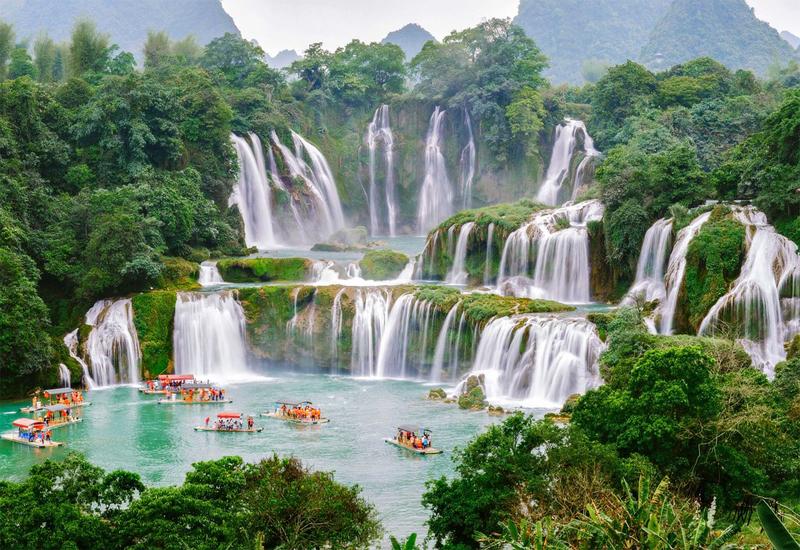
Nestled in the far northeast of Vietnam, Cao Bang is a destination where spectacular landscapes, rich cultural heritage and authentic local experiences come together. Home to the breathtaking Ban Gioc Waterfall, the UNESCO-recognized Non Nuoc Cao Bang Global Geopark and the increasingly popular Cao Bang Loop, the province offers a refreshing alternative to Vietnam's more crowded tourist destinations.
Unlike places where sightseeing revolves around a single attraction, Cao Bang rewards travelers with an ever-changing journey. Winding mountain roads lead through limestone valleys, emerald rivers, peaceful ethnic villages and hidden caves, revealing new scenery around almost every corner. Whether you travel by motorbike, private car or guided tour, the journey itself becomes one of the highlights.
From the dramatic cascades of Ban Gioc Waterfall to the tranquil landscapes of Phong Nam Valley and the remarkable geology of Nguom Ngao Cave, Cao Bang combines natural beauty with genuine cultural experiences. Visitors can enjoy traditional Tay and Nung cuisine, stay in family-run homestays and explore a region that remains largely untouched by mass tourism.
This travel guide brings together everything you need to plan an unforgettable trip, including the best time to visit, how to travel the Cao Bang Loop, the province's top attractions, suggested itineraries and practical local tips.
Why Visit Cao Bang?
For travelers looking beyond Vietnam's most familiar destinations, Cao Bang offers something increasingly rare: authentic experiences in an extraordinary natural setting.
The province is famous for its dramatic limestone mountains, crystal-clear rivers and one of the most beautiful waterfalls in Asia. Yet its greatest strength lies in the diversity of experiences it offers. Within a few days, visitors can drive scenic mountain roads, explore ancient caves, visit traditional ethnic villages, learn about Vietnam's revolutionary history and enjoy local cuisine prepared from fresh regional ingredients.
One of the biggest reasons to visit is the Cao Bang Loop, a scenic route connecting many of the province's highlights. Unlike busier mountain routes, it offers quieter roads, lighter traffic and plenty of opportunities to stop at hidden viewpoints, local cafés and peaceful valleys.
Cao Bang is also an ideal destination for photographers. Every season transforms the landscape in a different way—from lush green rice fields in summer and golden harvests in autumn to mist-covered mountains in winter. The changing light across the limestone peaks creates stunning scenery throughout the day, making even short drives feel rewarding.
Cultural diversity is another highlight. The province is home to Tay, Nung, Dao, Hmong and several other ethnic communities whose traditions remain an important part of everyday life. Visitors can stay in local homestays, experience regional cuisine and discover villages where life continues at a slower, more traditional pace.
Despite its growing popularity, Cao Bang remains peaceful compared with many destinations in northern Vietnam. That balance between spectacular scenery and authentic local life is what makes the province so memorable.
What Is the Cao Bang Loop?
The Cao Bang Loop is a scenic road trip that showcases the very best of northeastern Vietnam. Rather than following a single official route, the loop links together the province's most remarkable natural, historical and cultural attractions, allowing travelers to experience the region at their own pace.
Most journeys begin in Cao Bang City, the province's main transportation hub, before heading through mountain passes, limestone valleys and riverside villages toward Ban Gioc Waterfall. Along the way, travelers can visit iconic destinations such as Angel Eye Mountain, Thang Hen Lake, Phong Nam Valley, Nguom Ngao Cave, Pac Bo Historical Site and Khuoi Ky Stone Village.
What makes the Cao Bang Loop special is not only its destinations but also the roads connecting them. Every section offers different scenery, from winding mountain passes and emerald rivers to quiet farming villages and panoramic viewpoints. Many of the most beautiful places are not marked on tourist maps, encouraging travelers to slow down and enjoy unexpected discoveries.
Compared with the famous Ha Giang Loop, the Cao Bang Loop offers a more relaxed experience. Roads are generally quieter, attractions are less crowded and the pace of travel is slower. Instead of focusing solely on dramatic mountain passes, the route combines waterfalls, caves, lakes, valleys and cultural sites within one unforgettable journey.
The loop can be completed in two to five days depending on your schedule, although three to four days is ideal for exploring without rushing. Whether you choose to travel independently, hire a private driver or join an Easy Rider tour, the Cao Bang Loop provides an immersive way to discover one of Vietnam's most beautiful and least-explored regions.
For travelers seeking nature, photography, cultural experiences and unforgettable road trips, the Cao Bang Loop is quickly becoming one of the country's most rewarding adventures.
Best Time to Visit Cao Bang
One of the greatest advantages of visiting Cao Bang is that every season offers a different experience. The landscape changes throughout the year, from lush green valleys and powerful waterfalls to golden rice fields and mist-covered mountains. While there is no bad time to visit, choosing the right season can help you enjoy the Cao Bang Loop at its best.
Spring (February – April)
Spring brings pleasant temperatures, blooming flowers and fresh greenery across the province. It is one of the most comfortable seasons for outdoor activities, with cool mornings and mild afternoons.
This is also the time when many ethnic communities celebrate traditional festivals after the Lunar New Year. Travelers can experience local customs, colorful markets and cultural events while enjoying clear mountain views.
Spring is ideal for:
- Sightseeing and hiking
- Exploring ethnic villages
- Photography with fresh green landscapes
- Comfortable weather for the Cao Bang Loop
Summer (May – August)
Summer is the rainy season, transforming Cao Bang into a vibrant green paradise. Forests, rivers and rice fields become especially beautiful, while waterfalls reach their highest water levels.
This is the best time to see Ban Gioc Waterfall at its most spectacular. The increased flow creates powerful white cascades against the emerald waters of the Quay Son River.
Rain usually comes in short afternoon showers rather than lasting all day, but travelers should prepare for wet roads and occasional fog when driving through the mountains.
Summer is recommended for:
- Ban Gioc Waterfall
- Green rice fields
- Nature photography
- River and valley scenery
Autumn (September – November)
For many travelers, autumn is the best time to visit Cao Bang.
The weather becomes cooler and drier, making it perfect for road trips. Rice fields across Phong Nam Valley and surrounding villages turn brilliant shades of gold, creating some of the most iconic landscapes in northern Vietnam.
Clear skies also improve visibility, making this the ideal season for photography and the Cao Bang Loop.
Autumn is perfect for:
- The Cao Bang Loop
- Golden rice fields
- Landscape photography
- Hiking and outdoor activities
Winter (December – January)
Winter offers a completely different atmosphere.
Temperatures are cooler, mornings are often covered in mist and mountain roads become exceptionally peaceful. Although Ban Gioc Waterfall carries less water than during summer, the surrounding scenery remains beautiful and attracts far fewer visitors.
Photographers often appreciate the soft winter light and fog drifting through the limestone valleys.
Winter is ideal for:
- Misty mountain landscapes
- Quiet sightseeing
- Sunrise photography
- Peaceful road trips
When Is the Best Time to Visit?
If you're planning your first trip, September to November offers the best overall conditions. Comfortable temperatures, golden rice fields and clear mountain views make it an excellent time to explore the province.
If your priority is seeing Ban Gioc Waterfall at its most powerful, choose May to September, when rainfall creates spectacular water flow.
Regardless of the season, Cao Bang remains one of Vietnam's most scenic destinations, with each month offering a unique perspective on its mountains, rivers and valleys.
How to Get to Cao Bang
Located around 280–300 kilometers (174–186 miles) northeast of Hanoi, Cao Bang is easily accessible by road. Although the province does not have a commercial airport or railway station, modern highways and improved mountain roads make the journey straightforward.
Most visitors begin their trip from Hanoi before continuing to Cao Bang City, the starting point for the Cao Bang Loop.
By Sleeper Bus
Sleeper buses are the most popular and affordable option.
Daily departures are available from Hanoi, including overnight services that arrive in Cao Bang early the next morning. Most journeys take between 6 and 7 hours, depending on traffic and weather.
This option is ideal for budget travelers and backpackers who want to maximize their sightseeing time.
By Limousine Van
Limousine vans provide a more comfortable alternative with fewer passengers, spacious reclining seats and convenient hotel pickups in Hanoi.
Although travel time is similar to the sleeper bus, the journey is generally quieter and more relaxing.
This option is recommended for couples, families and travelers looking for extra comfort.
By Private Transfer
For maximum flexibility, many visitors choose a private transfer.
A private car allows you to travel at your own pace, stop for photographs along the way and begin your trip directly from your hotel. It is also the best option for families, photographers and small groups.
By Motorbike
Experienced riders often travel from Hanoi by motorbike before continuing around the Cao Bang Loop.
The route passes through forests, rolling hills and mountain scenery, making the journey itself part of the adventure.
However, because of the distance and changing mountain conditions, this option is recommended only for confident riders with previous long-distance experience.
Getting Around Cao Bang
After arriving in Cao Bang City, travelers can continue exploring by:
- Renting a motorbike
- Hiring a private car with a driver
- Joining a guided tour
- Booking an Easy Rider experience
Motorbikes offer the greatest freedom, while private cars provide a more comfortable option for families and small groups.
For first-time visitors, an Easy Rider tour combines the excitement of the Cao Bang Loop with the knowledge of experienced local guides who know the best viewpoints, hidden cafés and scenic backroads.
Top Attractions in Cao Bang
Cao Bang is home to some of northern Vietnam's most spectacular natural and cultural landmarks. While Ban Gioc Waterfall is the province's best-known attraction, the surrounding region offers caves, mountain passes, peaceful valleys and traditional villages that are equally rewarding.
The following destinations form the heart of the Cao Bang Loop and should be included in any itinerary.
Ban Gioc Waterfall
Located on the Vietnam–China border, Ban Gioc Waterfall is one of Southeast Asia's largest and most beautiful waterfalls.
Surrounded by limestone mountains and the emerald waters of the Quay Son River, the waterfall stretches across multiple levels, creating an unforgettable landscape in every season.
Visitors can walk along the riverside, enjoy panoramic viewpoints or take a traditional bamboo raft close to the falls for a unique perspective.
Ban Gioc is at its most powerful during the rainy season but remains spectacular throughout the year.
Nguom Ngao Cave
Just a few kilometers from Ban Gioc lies Nguom Ngao Cave, one of Vietnam's finest limestone caves.
A well-maintained walkway leads visitors through impressive chambers filled with enormous stalactites and stalagmites formed over millions of years.
The cave remains naturally cool all year, making it an ideal stop after visiting Ban Gioc Waterfall.
Angel Eye Mountain
Known locally as Núi Mắt Thần, Angel Eye Mountain is famous for the giant natural hole near its summit.
The surrounding valley features grasslands, seasonal lakes and limestone peaks, creating one of the most photographed landscapes in Cao Bang.
Early morning and late afternoon offer the best lighting, especially during autumn when nearby rice fields turn golden.
Phong Nam Valley
Hidden among towering limestone mountains near the Vietnam–China border, Phong Nam Valley is one of Cao Bang's most peaceful destinations. The valley is known for its patchwork of rice fields, winding country roads and traditional Tay and Nung villages that have changed little over generations.
Unlike many popular tourist attractions, Phong Nam remains largely untouched by mass tourism. Visitors can cycle or drive through quiet villages, photograph farmers working in the fields and enjoy panoramic views of dramatic karst peaks rising above the valley.
The scenery changes throughout the year. Spring brings vibrant green rice fields, while autumn transforms the landscape into shades of gold, making it one of the best photography locations in northern Vietnam.
Allow enough time to stop frequently along the road—many of the valley's most beautiful viewpoints are found between villages rather than at designated attractions.
Pac Bo Historical Site
Located around 50 kilometers north of Cao Bang City, Pac Bo Historical Site combines natural beauty with an important chapter of Vietnamese history.
This peaceful mountain valley was where President Ho Chi Minh returned to Vietnam in 1941 after spending many years abroad. Today, visitors can explore historical landmarks while enjoying one of the province's most tranquil landscapes.
Highlights include:
- Coc Bo Cave
- Lenin Stream
- Karl Marx Mountain
- Memorial areas
- Forest walking trails
The crystal-clear water of Lenin Stream is one of Pac Bo's most photographed features. Surrounded by lush forest and limestone mountains, it creates a calm atmosphere that attracts both history enthusiasts and nature lovers.
A visit usually takes two to three hours and can easily be combined with other attractions around Cao Bang City.
Thang Hen Lake
Situated within the UNESCO Non Nuoc Cao Bang Global Geopark, Thang Hen Lake is a peaceful freshwater lake surrounded by limestone cliffs and dense forest.
Unlike Ban Gioc Waterfall, which impresses with its power, Thang Hen is admired for its serenity. The calm surface reflects the surrounding mountains, creating beautiful views, particularly during the early morning when mist drifts across the water.
Visitors can enjoy short walks around the lake, take a boat ride or simply relax while taking in the scenery.
Because it remains relatively uncrowded throughout the year, Thang Hen Lake is an excellent stop for travelers looking to escape busy tourist areas and experience a quieter side of Cao Bang.
Ma Phuc Pass
One of the most scenic sections of the Cao Bang Loop is Ma Phuc Pass, a winding mountain road surrounded by dramatic limestone peaks.
The pass offers sweeping panoramic views across valleys, forests and distant mountain ranges. Several roadside viewpoints provide safe places to stop for photographs, making it one of the most rewarding drives in the province.
Early morning is the best time to visit, when soft sunlight and low clouds create spectacular mountain scenery.
Whether you're traveling by motorbike or car, Ma Phuc Pass is an unforgettable part of the journey.
Khuoi Ky Stone Village
Only a short drive from Ban Gioc Waterfall, Khuoi Ky Stone Village is one of Cao Bang's best-preserved traditional communities.
The village is famous for its unique stone houses, built from locally sourced limestone more than a century ago. These distinctive homes reflect the traditional architecture of the Tay people and blend beautifully with the surrounding mountain landscape.
Many families now operate small homestays, giving visitors the opportunity to experience local hospitality, traditional cuisine and village life.
Spending a night in Khuoi Ky allows travelers to enjoy the peaceful atmosphere after most day visitors have left the Ban Gioc area.
Local Food You Should Try
No trip to Cao Bang is complete without exploring its regional cuisine. Influenced by the traditions of the Tay and Nung communities, local dishes are prepared using fresh mountain ingredients and recipes passed down through generations.
Cao Bang Rice Rolls
Unlike the version found in Hanoi, Cao Bang rice rolls are served with a warm pork-bone broth instead of fish sauce. The delicate rice sheets are filled with minced pork and mushrooms, creating a simple yet comforting breakfast.
Seven-Spice Roast Duck
This local specialty is marinated with aromatic mountain spices before being roasted until the skin becomes crispy while the meat remains tender and flavorful.
Sour Noodles (Pho Chua)
A refreshing combination of rice noodles, roasted duck, herbs, peanuts and a sweet-and-sour dressing. It is one of the province's signature dishes, especially during warmer months.
Trung Khanh Chestnuts
Harvested in the mountainous Trung Khanh District, these chestnuts are naturally sweet and are often roasted over charcoal during autumn and winter.
Smoked Pork Sausage
Prepared using traditional smoking techniques, this fragrant sausage is commonly served at family meals and is one of Cao Bang's most popular local products.
For the most authentic experience, choose family-run restaurants or village homestays where meals are prepared using seasonal ingredients sourced from nearby farms.
Suggested Cao Bang Itinerary
2 Days
Perfect for travelers with limited time.
Day 1
- Cao Bang City
- Angel Eye Mountain
- Ma Phuc Pass
- Ban Gioc Waterfall
Day 2
- Truc Lam Ban Gioc Pagoda
- Nguom Ngao Cave
- Khuoi Ky Stone Village
- Return to Cao Bang City
3 Days
The most recommended itinerary.
Day 1
- Pac Bo Historical Site
- Lenin Stream
- Cao Bang City
Day 2
- Angel Eye Mountain
- Phong Nam Valley
- Ban Gioc Waterfall
- Overnight near Ban Gioc
Day 3
- Nguom Ngao Cave
- Khuoi Ky Stone Village
- Ma Phuc Pass
- Return to Cao Bang City
4 Days
Ideal for photographers and travelers who prefer a slower pace.
This itinerary includes all of the major attractions while allowing plenty of time for village walks, local cafés, scenic viewpoints and spontaneous stops along the Cao Bang Loop.
Rather than rushing between destinations, spend more time enjoying the landscapes, meeting local people and experiencing the peaceful rhythm of life that makes Cao Bang one of Vietnam's most rewarding travel destinations.
Travel Tips for Visiting Cao Bang
A little preparation can make your journey through Cao Bang more enjoyable and rewarding. Whether you're driving the Cao Bang Loop, visiting Ban Gioc Waterfall or staying in a local homestay, these practical tips will help you make the most of your trip.
Start Your Day Early
Most of Cao Bang's attractions are best experienced in the morning. The weather is cooler, the light is softer for photography and popular sites such as Ban Gioc Waterfall are much quieter before tour groups arrive.
Starting early also gives you plenty of time to enjoy scenic stops without feeling rushed.
Don't Rush the Cao Bang Loop
Although the driving distances may appear short, mountain roads naturally take longer than expected.
One of the greatest pleasures of the Cao Bang Loop is stopping whenever a beautiful landscape appears. Leave time for unexpected viewpoints, local cafés and village walks instead of planning every hour of your journey.
Drive Carefully in Mountain Areas
Road conditions throughout Cao Bang are generally good, but mountain weather can change quickly.
If you're riding a motorbike:
- Wear a quality helmet.
- Avoid riding after dark.
- Reduce speed on wet roads.
- Check your fuel before entering remote areas.
If you're unfamiliar with mountain riding, consider joining an Easy Rider tour or hiring a local driver.
Pack for Changing Weather
Weather in the mountains can vary throughout the day, especially during the rainy season.
We recommend bringing:
- Comfortable walking shoes
- A lightweight waterproof jacket
- Sunscreen and sunglasses
- A reusable water bottle
- A power bank
- Warm clothing during winter months
Packing light will also make moving between destinations easier.
Carry Some Cash
ATMs are available in Cao Bang City, but many small restaurants, local markets and homestays prefer cash payments.
Keeping some Vietnamese Dong with you will make your trip more convenient, especially when visiting rural areas.
Respect Local Culture
Cao Bang is home to several ethnic communities, including the Tay and Nung people.
When visiting villages:
- Ask permission before photographing local residents.
- Dress respectfully when entering temples or pagodas.
- Support local businesses by choosing family-run restaurants and homestays.
- Help keep the countryside clean by taking your rubbish with you.
Responsible travel helps preserve the authentic character that makes Cao Bang so special.
Our Local Insight
As a local travel company based in Cao Bang, we've explored these roads in every season and guided travelers from around the world. Here are a few tips we regularly share with our guests.
Best Time to Visit Ban Gioc Waterfall
Visit before 9:00 AM for softer light, fewer visitors and a more peaceful atmosphere. Morning is also the best time for photography, especially during autumn.
Our Favorite Scenic Drive
The road between Ma Phuc Pass and Phong Nam Valley is one of the most beautiful sections of the Cao Bang Loop. Rather than driving straight through, stop at the viewpoints along the way to enjoy the changing mountain scenery.
Best Sunrise
If you stay overnight near Ban Gioc, wake up early and head toward the waterfall or Truc Lam Ban Gioc Pagoda. Watching the first light illuminate the valley is one of the most memorable experiences in Cao Bang.
Best Homestay Experience
For travelers looking to experience local culture, staying in Khuoi Ky Stone Village offers a unique opportunity to enjoy traditional Tay hospitality, home-cooked meals and a peaceful mountain setting.
A Simple Recommendation
Many visitors try to see everything in two days.
If your schedule allows, spend three or four days in Cao Bang instead. Slowing down gives you time to enjoy the landscapes, meet local people and discover places that don't appear in most guidebooks.
Conclusion
From the magnificent Ban Gioc Waterfall to the peaceful valleys, limestone mountains and traditional villages of the Cao Bang Loop, Cao Bang offers one of Vietnam's most authentic travel experiences.
It is a destination where every road leads to a new landscape, every village tells a different story and every season reveals another side of its natural beauty. Whether you're seeking adventure, photography, cultural experiences or simply a peaceful escape, Cao Bang delivers unforgettable moments without the crowds found in many other destinations.
The true charm of Cao Bang is not just in its famous attractions, but in the journey between them. Take your time, explore beyond the main roads and you'll discover why this remarkable province is becoming one of Northern Vietnam's most rewarding destinations.
Plan Your Cao Bang Adventure
Ready to experience the Cao Bang Loop for yourself?
Whether you're looking for a private tour, an Easy Rider adventure, a custom itinerary or a guided journey to Ban Gioc Waterfall, our local team is here to help you explore Cao Bang with confidence.
Travel with experienced local guides, discover hidden gems beyond the usual tourist routes and create unforgettable memories in one of Vietnam's most spectacular regions.
Start planning your Cao Bang adventure today and discover the beauty of Northern Vietnam with Serenity Cao Bang.