


Ban Gioc Waterfall – The Most Spectacular Natural Wonder in Cao Bang
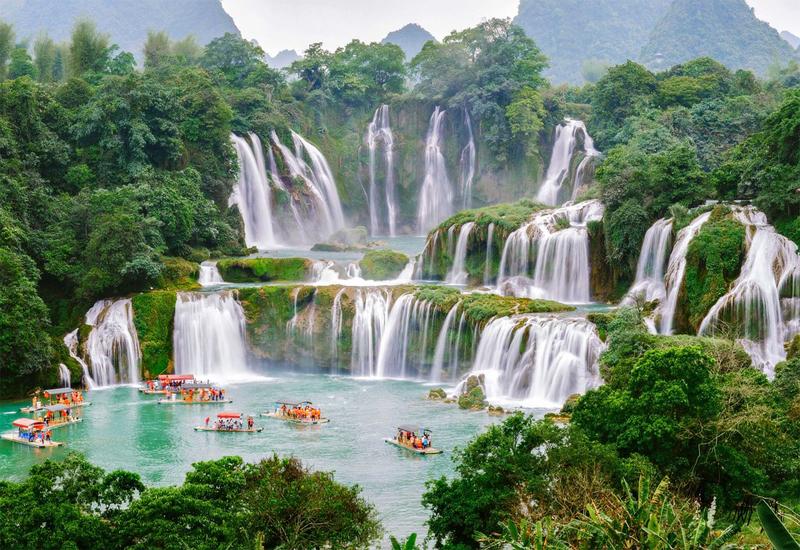
Some places leave a lasting impression not because they are the tallest, busiest, or easiest to reach, but because they feel remarkably untouched. Ban Gioc Waterfall is one of those rare destinations. With broad cascades flowing through a peaceful natural landscape, it offers a quieter side of Vietnam that many travelers never experience. Rather than overwhelming visitors, it invites them to slow down and appreciate the rhythm of nature.
More than a scenic landmark, Ban Gioc Waterfall Vietnam represents the harmony between water, limestone formations, and surrounding countryside. The scale of the falls is impressive, yet the atmosphere remains calm and authentic. This balance makes the destination appealing to photographers, nature lovers, families, and travelers looking for experiences beyond Vietnam's more familiar tourist routes.
This guide brings together everything you need to plan a rewarding visit to Ban Gioc Falls. You'll discover practical travel information, understand what makes the waterfall unique, learn how to prepare for your trip, explore nearby attractions, and find helpful tips for making the most of your time. Whether you're planning a dedicated journey or including Ban Gioc Waterfall Cao Bang in a broader northern Vietnam itinerary, this article will help you travel with confidence and realistic expectations.
Where Is Ban Gioc Waterfall?
Location
Ban Gioc Waterfall is located in Trung Khanh District, Cao Bang Province, northeastern Vietnam. The waterfall lies on the Vietnam–China border, with Cao Bang City serving as the main gateway for most visitors.
Distance From Major Cities
The waterfall is around 90 km from Cao Bang City, taking about 2–2.5 hours by road. From Hanoi, the journey covers approximately 360 km and usually requires 7–8 hours, depending on traffic and road conditions.
Nearest Airport
The closest airport is Noi Bai International Airport (HAN) in Hanoi. International travelers typically fly to Hanoi before continuing to Cao Bang by limousine, sleeper bus, private transfer, or rental car.
How to Get There
Visitors can reach Ban Gioc Falls by guided tour, private car, motorbike, limousine van, or local bus to Cao Bang followed by onward transport. Joining a tour from Cao Bang City is often the simplest option for first-time visitors.
The Story Behind Ban Gioc Waterfall
Meaning of the Name
The name Ban Gioc is believed to come from the language of the local Tày people. The word "Ban" means village, while "Gioc" is commonly associated with a place where water flows or gathers. Although the exact interpretation varies among historians and linguists, the name has long reflected the close connection between the waterfall and the communities that have lived beside it for generations.
The Quay Son River
Ban Gioc Waterfall is created by the Quay Son River, which begins in the limestone mountains along the Vietnam–China border. As the river winds through valleys and farmland, its clear water gradually widens before reaching a series of natural rock terraces. Instead of forming a single drop, the river divides into several channels, creating the broad cascades that define Ban Gioc Falls today.
How the Waterfall Was Formed
The landscape around Ban Gioc Waterfall Vietnam is the result of millions of years of geological change. Rainwater slowly dissolved thick layers of limestone, forming cliffs, caves, and stepped rock formations. As the Quay Son River flowed across these uneven limestone shelves, it carved multiple levels of waterfalls rather than one vertical plunge, giving the falls their distinctive layered appearance.
Why It Is a Border Waterfall
One of the most unusual features of Ban Gioc Waterfall Cao Bang is its location on an international border. The Quay Son River forms part of the natural boundary between Vietnam and China, meaning the waterfall is shared by both countries. The Vietnamese side is known as Ban Gioc Waterfall, while the Chinese side is called Detian Waterfall. Together, they form one of the world's largest transnational waterfalls.
Historical Importance
For centuries, the Quay Son River has supported farming, trade, and daily life for the Tày, Nùng, and other ethnic communities living in the border region. The waterfall has also served as a geographical landmark during different periods of regional history and border administration. Today, Ban Gioc Waterfall remains both a symbol of Cao Bang's natural heritage and a reminder of the cultural and historical ties that have shaped this frontier landscape.
What Makes Ban Gioc Waterfall Unique?
One of the Largest Border Waterfalls
Ban Gioc Waterfall is widely recognized as one of the largest natural waterfalls shared by two countries. Unlike waterfalls that lie entirely within one nation, its waters flow across the international boundary between Vietnam and China, creating a continuous landscape rather than two separate attractions. Its exceptional width and steady water flow make it one of the most distinctive border waterfalls in Asia.
Multi-Tiered Waterfall
Instead of plunging from a single cliff, Ban Gioc Falls spreads across a series of natural limestone terraces. Water divides into multiple streams before rejoining further downstream, creating several cascading levels with different heights and widths. This layered structure gives the waterfall a broad, balanced appearance and allows it to change subtly with seasonal river levels while maintaining its recognizable form.
Limestone Landscape
The surrounding landscape is shaped by ancient limestone mountains that have developed over millions of years through natural erosion. These karst formations include steep cliffs, rocky outcrops, caves, underground waterways, and fertile valleys. Together, they create a dramatic geological setting that distinguishes Ban Gioc Waterfall Vietnam from waterfalls formed in volcanic or granite landscapes.
The waterfall is also part of the Non Nuoc Cao Bang UNESCO Global Geopark, an internationally recognized region known for its exceptional geological heritage. The geopark preserves hundreds of millions of years of Earth's history through its limestone ecosystems, fossil records, caves, and unique landforms, making the area valuable for both scientific research and nature conservation.
Geological Value
The geological importance of Ban Gioc Waterfall Cao Bang extends beyond its scenic beauty. The waterfall demonstrates how rivers interact with soluble limestone over long geological timescales, gradually carving terraces, channels, and karst features that continue to evolve today. This combination of active water processes and ancient rock formations offers valuable insight into the natural development of one of Southeast Asia's most significant limestone landscapes.
Best Time to Visit Ban Gioc Waterfall
Rainy Season (June–September)
The rainy season brings the highest water levels to Ban Gioc Waterfall, creating a wider and more powerful cascade. Frequent rainfall across the mountains feeds the Quay Son River, giving the waterfall its fullest appearance. During this period, the surrounding vegetation is also at its greenest, although occasional heavy rain may reduce visibility and temporarily affect water clarity.
Dry Season (October–May)
The dry season offers more stable weather, cooler temperatures, and clearer skies. Water flow becomes gentler, revealing more of the limestone terraces beneath the falls. From October to November, golden rice fields in the surrounding valleys add seasonal color to the landscape. Between December and February, mornings can be cool and occasionally misty, while spring brings mild temperatures and fresh greenery.
Monthly Weather Overview
The most balanced months to visit Ban Gioc Falls are September, October, and early November. Water levels remain high after the rainy season, while rainfall decreases and skies become clearer. March and April are also pleasant, with comfortable temperatures and dry conditions. July and August produce the strongest water flow, but afternoon showers are more common and can affect outdoor visibility.
Best Time for Photography
For photography, September through November is generally considered the ideal season. The waterfall combines strong water flow with clear weather, while nearby rice fields often reach their harvest season, creating warm natural colors. Early morning usually offers soft light and calmer conditions, making it easier to capture the details of Ban Gioc Waterfall Vietnam without harsh shadows. Photographers seeking dramatic images of rushing water may prefer the peak rainy months, while those focusing on landscape composition often find autumn provides the best balance of light, water, and scenery.
Things to Do at Ban Gioc Waterfall
Bamboo Raft Ride
A bamboo raft ride is one of the most memorable ways to experience Ban Gioc Waterfall. The raft moves slowly across the Quay Son River, bringing visitors closer to the cascading water without disturbing the peaceful surroundings. From the river, you can appreciate the full width of the falls and observe details that are difficult to see from the shoreline.
Walk Around the Viewing Area
Several walking paths and viewing platforms allow visitors to enjoy different perspectives of Ban Gioc Falls. Short riverside trails connect open viewpoints where the waterfall can be seen from varying angles. Taking time to walk between these spots reveals how the appearance of the falls changes with distance, making each viewpoint slightly different from the last.
Visit Truc Lam Ban Gioc Pagoda
A visit to Truc Lam Ban Gioc Pagoda offers a quieter experience away from the main viewing area. Walking through the temple grounds and climbing to the upper terrace provides wide panoramic views of the surrounding landscape, including the waterfall in the distance. The peaceful atmosphere makes it an ideal place to pause before continuing your journey.
Explore Nguom Ngao Cave
Many travelers combine Ban Gioc Waterfall Vietnam with a visit to Nguom Ngao Cave. Inside, well-maintained walkways lead through large chambers filled with impressive stalactites and stalagmites. The cave offers a completely different environment from the waterfall, adding variety to the day's experience without requiring a long transfer.
Enjoy Local Scenery
The countryside surrounding Ban Gioc Waterfall Cao Bang is ideal for a relaxed walk or cycling trip. Quiet roads pass rice fields, small villages, and riverside landscapes, offering a slower pace than the main tourist area. Along the way, local cafés provide comfortable places to enjoy a Vietnamese coffee or refreshing drink while taking in views of the surrounding mountains and farmland.
Capture the Landscape
Photography is a rewarding activity throughout the area, thanks to the combination of flowing water, limestone cliffs, and open countryside. Wide viewpoints are ideal for landscape photography, while riverside paths offer opportunities to frame the waterfall from lower angles. Visitors interested in everyday life can also capture scenes of local villages, agricultural fields, and the peaceful atmosphere that surrounds Ban Gioc Waterfall.
Nearby Attractions
Nguom Ngao Cave
Located about 4 km from Ban Gioc Waterfall, Nguom Ngao Cave is one of the largest and most impressive limestone caves in northern Vietnam. Stretching for more than 2 km, the cave features a network of spacious chambers connected by well-maintained walkways. Visitors can admire thousands of naturally formed stalactites and stalagmites, many of which have distinctive shapes inspired by local legends. Comfortable lighting highlights the cave's rock formations while preserving its natural atmosphere, making it an easy addition to any visit to the area.
Truc Lam Ban Gioc Pagoda
Around 1 km from the waterfall, Truc Lam Ban Gioc Pagoda sits on a hillside overlooking the surrounding countryside. Built in traditional Vietnamese Buddhist architecture, the pagoda is known for its peaceful setting, tiled roofs, and stone courtyards. A staircase leads to an elevated viewpoint where visitors can enjoy sweeping views of the Quay Son River, nearby mountains, and surrounding valleys. Beyond its religious significance, the pagoda is a quiet place to appreciate the landscape away from the busiest visitor areas.
Phong Nam Valley
Approximately 25–30 km from Ban Gioc, Phong Nam Valley is one of Cao Bang's most scenic rural landscapes. The valley is surrounded by limestone mountains and dotted with traditional Tày and Nùng villages connected by quiet country roads. Depending on the season, visitors can see vibrant green rice fields or golden paddies ready for harvest. Small streams, wooden bridges, and peaceful farmland create a landscape that feels largely unchanged by modern development, making it ideal for a leisurely drive or short walk.
Angel Eye Mountain
Located roughly 35 km from Ban Gioc Waterfall, Angel Eye Mountain—also known as Núi Mắt Thần—is famous for the large natural hole that passes through the center of its limestone peak. This unusual formation has become one of the most recognizable geological landmarks in Cao Bang. The surrounding area includes open grasslands, seasonal lakes, grazing livestock, and dramatic karst scenery. Wide open views and relatively flat terrain make the destination particularly appealing for visitors seeking a peaceful natural setting.
Khuoi Ky Stone Village
Just 2 km from Ban Gioc Waterfall, Khuoi Ky Stone Village is a traditional Tày village with a history of several centuries. It is well known for its distinctive stone houses, stone fences, and narrow village lanes built almost entirely from locally sourced limestone. Many of the original homes have been carefully preserved, while others now operate as family-run homestays and cafés. Walking through the village offers insight into traditional architecture and everyday rural life, making it one of the most accessible cultural attractions near the waterfall.
Local Food Worth Trying
Cao Bang Rice Rolls (Bánh Cuốn Cao Bằng)
Unlike the rice rolls commonly found elsewhere in Vietnam, Cao Bang rice rolls are served in a light pork bone broth instead of fish sauce. The thin rice sheets are filled with minced pork and wood ear mushrooms, then topped with crispy fried shallots. This simple but comforting breakfast is one of the region's best-known local specialties.
Sour Pho (Phở Chua)
Sour Pho is a signature dish of Cao Bang that combines soft rice noodles with roasted duck or pork, fresh herbs, peanuts, fried shallots, and a mildly sweet-and-sour dressing. The contrasting textures and balanced flavors make it both refreshing and filling. It is especially popular for lunch and offers a different experience from the traditional Vietnamese noodle soups.
Seven-Spice Roast Duck (Vịt Quay 7 Vị)
Cao Bang's Seven-Spice Roast Duck is prepared using a blend of local herbs and spices that gives the meat its distinctive aroma. The duck is roasted until the skin becomes crisp while the meat remains tender and juicy. It is commonly served with steamed rice, noodles, or fresh herbs, making it one of the province's most celebrated dishes.
Smoked Pork Sausage (Lạp Xưởng Gác Bếp)
Smoked Pork Sausage is a traditional food prepared by local ethnic communities using seasoned pork that is slowly smoked over a wood fire. This process creates a rich smoky flavor and firm texture while preserving the meat naturally. The sausage is often sliced and grilled before serving, making it a popular local appetizer or side dish.
Trung Khanh Chestnuts (Hạt Dẻ Trùng Khánh)
Grown in the cool mountain climate of Trung Khanh District, Trung Khanh chestnuts are known for their large size, sweet flavor, and creamy texture. They are usually roasted or boiled and sold by local vendors during the harvest season. Easy to carry and naturally nutritious, these chestnuts are also one of the most popular edible souvenirs visitors bring home from Cao Bang.
Suggested Itineraries
Half-Day Trip
A half-day visit is suitable for travelers who are already staying nearby or have limited time. Begin with a walk through the main viewing area before taking a bamboo raft ride for a closer look at the waterfall. Continue to Truc Lam Ban Gioc Pagoda for panoramic views, then finish with a short stop at Khuoi Ky Stone Village before returning to your accommodation or continuing your journey.
One-Day Trip
A full-day itinerary allows you to experience the area's main highlights at a relaxed pace. Start the morning at Ban Gioc Waterfall, exploring the viewpoints and riverside paths before enjoying a bamboo raft ride. Continue to Truc Lam Ban Gioc Pagoda, where the elevated viewpoint offers a different perspective of the surrounding landscape.
After lunch at a local restaurant, visit Nguom Ngao Cave to explore its impressive limestone chambers. If time allows, spend the late afternoon driving through the quiet countryside or stopping at Khuoi Ky Stone Village for a glimpse of traditional stone houses and local life before returning to Cao Bang City.
Two-Day Trip
A two-day itinerary is the best option for travelers who want to explore beyond the waterfall and discover more of Cao Bang's natural landscapes. On the first day, visit Ban Gioc Waterfall, enjoy the bamboo raft ride, explore Nguom Ngao Cave, and continue to Truc Lam Ban Gioc Pagoda. In the evening, stay at a local homestay or small hotel near the waterfall to experience the quieter atmosphere after most day visitors have left.
On the second day, drive through Phong Nam Valley, stopping at scenic viewpoints and traditional villages along the route. Continue to Angel Eye Mountain, where open grasslands and the mountain's distinctive circular opening create one of the province's most recognizable landscapes. If your route includes Ma Phuc Pass, allow time for a short stop to enjoy the mountain scenery before returning to Cao Bang City or continuing your journey through northeastern Vietnam.
Which itinerary is right for you?
Choose the half-day itinerary if you're short on time and want to focus on the main attractions. The one-day itinerary is ideal for most visitors, combining the waterfall with nearby cultural and natural sites. If your schedule allows, the two-day itinerary offers the most rewarding experience, giving you enough time to explore the wider Cao Bang region at a comfortable pace without feeling rushed.
Practical Travel Tips
Entrance Fee
An entrance ticket is required to visit Ban Gioc Waterfall, with separate charges for optional services such as the bamboo raft ride and parking. Ticket prices may change over time, so it's a good idea to check the latest information before your trip or confirm the current rates at the ticket counter.
Opening Hours
The attraction is generally open daily from early morning until late afternoon. Arriving between 8:00 AM and 10:00 AM usually offers a quieter experience and more comfortable temperatures. Plan to leave before closing time, as public transportation and local services become limited later in the day.
What to Pack
Wear comfortable clothing suitable for outdoor walking and choose shoes with good grip, as paths near the river can become slippery. A light rain jacket, hat, sunscreen, reusable water bottle, and insect repellent are useful throughout the year. During cooler months, bring a light jacket for the morning and evening.
Cash & Internet
Although some hotels and restaurants accept bank cards, many small cafés, local shops, and roadside vendors still prefer cash. Carry enough Vietnamese Dong for meals, entrance tickets, and small purchases. Mobile coverage is generally reliable around the main attractions, and purchasing a local SIM card or eSIM before arriving makes navigation and online payments much easier.
Safety Tips
Stay on marked walking paths and avoid climbing onto wet rocks near the river. If you plan to fly a drone, remember that Ban Gioc Waterfall is located in a sensitive border area, and drone operations may require prior permission from the relevant authorities. Finally, consider purchasing travel insurance that covers outdoor activities and medical assistance, especially if you plan to explore multiple destinations in Cao Bang.
Common Mistakes to Avoid
Underestimating Travel Time
Many first-time visitors assume Ban Gioc Waterfall is an easy day trip from Hanoi. In reality, the drive takes around 7–8 hours each way, making a same-day return exhausting. Another common mistake is planning an overly tight schedule from Cao Bang City without allowing extra time for mountain roads, photo stops, or unexpected traffic delays.
Wearing the Wrong Shoes
Choosing fashion shoes, sandals with smooth soles, or high heels often leads to an uncomfortable visit. Riverside paths, viewing platforms, and some walkways can become damp and slippery. Another mistake is arriving without cash, as small cafés, local vendors, parking areas, and some services may not accept card payments or digital wallets.
Visiting Too Late
Arriving late in the afternoon is a frequent disappointment. Visitors have less time to explore, and many nearby attractions begin closing before evening. Another planning mistake is visiting during the wrong season without checking current water conditions. Those expecting full, powerful cascades in the dry months—or perfectly clear skies during peak rainy season—may find the scenery different from what they imagined.
Skipping Nearby Attractions
Some travelers spend less than an hour at the waterfall before leaving, missing several of the region's highlights. Nearby destinations such as Nguom Ngao Cave, Truc Lam Ban Gioc Pagoda, Phong Nam Valley, and Khuoi Ky Stone Village are close enough to include in the same trip and add cultural and natural variety to the experience.
Another mistake is flying a drone without understanding local regulations. Because the area is located near an international border, drone flights may be restricted or require official permission. Ignoring these rules can result in your equipment being confiscated or other legal issues. Checking local regulations before your visit helps avoid unnecessary problems and ensures a smoother travel experience.
Conclusion
Ban Gioc Waterfall stands out not only for its impressive scale but also for the harmony between flowing water, limestone mountains, peaceful valleys, and long-established local communities. It offers a travel experience that feels authentic, uncrowded, and closely connected to nature, making it one of the most rewarding destinations in northern Vietnam.
Whether you're planning a short visit or a longer journey through Cao Bang, Ban Gioc Waterfall Vietnam deserves a place on your itinerary. With the right planning, you'll have enough time to appreciate both the waterfall and the remarkable landscapes that surround it without feeling rushed.
If you're ready to explore one of Vietnam's most iconic natural landmarks, start planning your trip to Ban Gioc Falls today. A well-prepared itinerary will help you experience the destination at its best and discover why so many travelers consider it one of the highlights of northeastern Vietnam.