


Angel Eye Mountain, Cao Bang: Complete Travel Guide to Nui Mat Than Vietnam
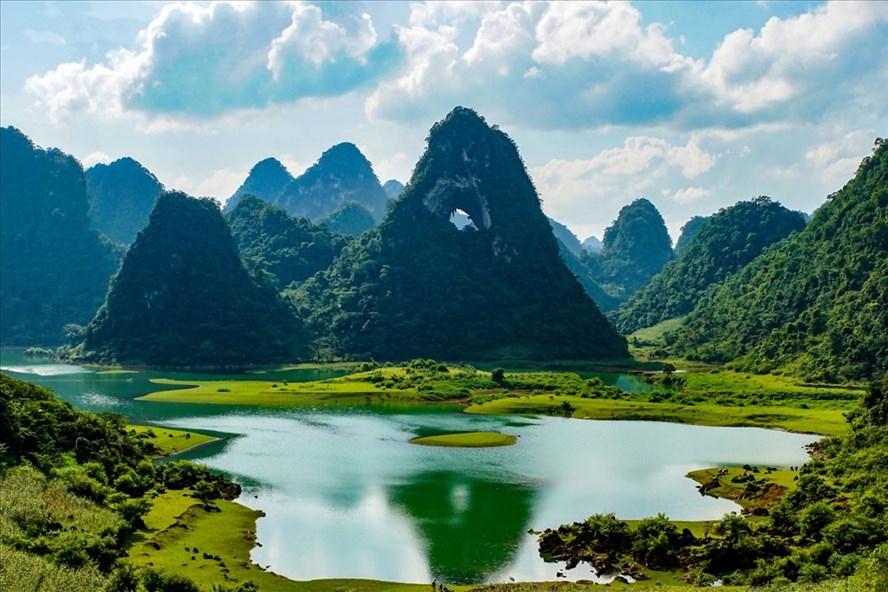
Few places leave a lasting impression with a single glance, yet Angel Eye Mountain does exactly that. Its defining feature is a perfectly round opening through the mountain, creating a silhouette that has inspired travelers, photographers, and local communities for generations. Rather than relying on dramatic scale, the landscape stands out for its unusual shape and the quiet atmosphere that surrounds it.
Known locally as Nui Mat Than or Phja Piót, Angel Eye Mountain Vietnam has become one of the most recognizable natural landmarks in Cao Bang. Visitors are drawn not only by its distinctive appearance but also by the sense of openness that makes the scenery feel remarkably different from many other mountain landscapes across Northeast Vietnam. The mountain offers a rare combination of simplicity, natural symmetry, and an authentic rural setting that has remained largely unchanged.
This guide explains everything you need to know before visiting Angel Eye Mountain, from its background and defining features to the best times to visit, nearby attractions, local food, and practical travel advice. Whether you are planning a dedicated trip or including Angel Eye Mountain Cao Bang in a longer journey, this article provides the essential information to help you make the most of your visit.
Where Is Angel Eye Mountain?
Location
Angel Eye Mountain is located in Quoc Toan Commune, Trung Khanh District, Cao Bang Province, in the mountainous region of Northeast Vietnam. The mountain lies within a peaceful rural area surrounded by traditional villages, farmland, and open valleys. It is commonly referred to by its local names, Nui Mat Than or Phja Piót, while many international travelers know it as Angel Eye Mountain Vietnam. The destination is often included in journeys through eastern Cao Bang, alongside several of the province's best-known natural attractions.
Distance From Major Cities
From Cao Bang City, Angel Eye Mountain Cao Bang is approximately 35 km away, with a driving time of around 50–60 minutes depending on road conditions. Travelers coming from Hanoi should expect a journey of roughly 280–300 km, which usually takes 6–7 hours by road. If you are already visiting Ban Gioc Waterfall, the mountain is only about 30 km away, making it an easy addition to the same day's itinerary or a stop along a broader exploration of eastern Cao Bang.
Nearest Airport
The nearest major airport is Noi Bai International Airport (HAN) in Hanoi. There are currently no commercial airports in Cao Bang Province, so most visitors continue their journey overland after arriving in the capital. From Noi Bai Airport, travelers can take a limousine, sleeper bus, private car, or rental vehicle directly to Cao Bang City before continuing to Angel Eye Mountain. This combination of air and road travel is the most practical option for both domestic and international visitors.
How to Get There
Several transportation options are available depending on your travel style. Sleeper buses and limousine services operate daily between Hanoi and Cao Bang City, offering a convenient choice for most visitors. From the city, you can hire a private car, join a local tour, or rent a motorbike to reach Angel Eye Mountain Vietnam. Driving yourself provides the greatest flexibility, especially if you plan to combine the trip with nearby destinations such as Ban Gioc Waterfall, Nguom Ngao Cave, or the scenic Cao Bang Loop.
The Story Behind Angel Eye Mountain
Meaning of the Name
The name Angel Eye Mountain comes from the mountain's most recognizable feature—a large circular opening that resembles a giant eye when viewed from the surrounding valley. This striking shape led international travelers to adopt the English name, while local people have long known the mountain as Phja Piót. It is also widely referred to as Nui Mat Than or Nui Mat Than Cao Bang, both of which translate to "God's Eye Mountain" or "Mountain of the Divine Eye," reflecting the mountain's distinctive appearance in local culture.
Geological Formation
Angel Eye Mountain Vietnam is part of an extensive limestone mountain system that developed over hundreds of millions of years. Like much of eastern Cao Bang, the landscape consists of ancient carbonate rock that has been gradually reshaped by natural erosion. Rainwater, groundwater, and changing climatic conditions slowly dissolved the limestone, creating the dramatic karst landscape that defines this region today. The mountain's unusual profile is the result of these long-term geological processes rather than volcanic activity or human intervention.
The Natural Hole
The circular opening at the center of Angel Eye Mountain formed through prolonged weathering and the gradual collapse of weaker limestone layers. Over geological time, water enlarged natural fractures until a section of the rock gave way, leaving a nearly symmetrical hole that is visible from a considerable distance. Measuring approximately 50 meters in diameter, this opening is one of the largest natural mountain perforations in Vietnam and remains the defining feature of Angel Eye Mountain Cao Bang.
Local Legends
Although science explains the mountain through geological processes, local communities have passed down their own stories for generations. One popular legend tells of a divine eye watching over the valley, protecting nearby villages and guiding travelers through the mountains. While versions of the story differ between families and ethnic groups, the shared theme reflects the respect that local people have long held for this remarkable landscape rather than attempting to explain its physical origin.
Geological Importance
Beyond its visual appeal, Angel Eye Mountain is an important example of karst evolution in Northeast Vietnam. Its well-preserved limestone formations help scientists better understand the region's geological history and the natural processes that continue to shape the landscape. Together with surrounding rock formations, the mountain contributes to the geological significance of the wider Non Nuoc Cao Bang UNESCO Global Geopark, where many outstanding karst features have been conserved for research, education, and sustainable tourism.
What Makes Angel Eye Mountain Unique?
The Giant Natural Hole
The defining feature of Angel Eye Mountain is the enormous circular hole that passes completely through the limestone massif. Visible from across the surrounding valley, this opening gives the mountain the appearance of a giant eye looking over the landscape. Few mountains in Vietnam display such a clear and symmetrical natural formation, making it the landmark most closely associated with Angel Eye Mountain Cao Bang and the reason it has become an iconic image of the region.
Grassland Landscape
Unlike many limestone areas covered by dense forest, Nui Mat Than is surrounded by broad grassland that creates an unusually open landscape. The wide meadows soften the rugged mountain scenery and provide uninterrupted views in every direction. This combination of towering rock formations and expansive open space gives the area a distinctive character that differs from the narrow valleys commonly found elsewhere in Northeast Vietnam.
Seasonal Lake
Another feature that sets Angel Eye Mountain Vietnam apart is the seasonal lake that forms on the grassland during wetter periods of the year. As water collects across the natural basin, the calm surface reflects the mountain and surrounding sky, creating a striking mirror effect. During drier months, the water gradually recedes, revealing open pasture that changes the appearance of the landscape without altering its essential character.
Limestone Karst
Angel Eye Mountain is part of a much larger karst landscape shaped from ancient limestone. Steep cliffs, isolated rock towers, sinkholes, and weathered formations surround the mountain, illustrating the long geological evolution of the region. These karst features are among the best-preserved in northern Vietnam and contribute to the area's scientific importance as a representative limestone ecosystem.
UNESCO Global Geopark
The mountain lies within the Non Nuoc Cao Bang UNESCO Global Geopark, an internationally recognized area known for its exceptional geological heritage. Its inclusion highlights not only the visual appeal of Phja Piót but also its scientific value in understanding karst development over millions of years. Together with other geological sites across Cao Bang, Angel Eye Mountain helps demonstrate why this region is regarded as one of Vietnam's most significant natural landscapes.
Best Time to Visit Angel Eye Mountain
Green Season (May–August)
From May to August, Angel Eye Mountain is at its greenest. Frequent rainfall transforms the surrounding grassland into a lush landscape, while the seasonal lake gradually fills with clear water. The contrast between green meadows, limestone cliffs, and reflective water creates a fresh and vibrant scene. Rain showers are common during this period, so visitors should expect changing weather conditions throughout the day.
Golden Grass Season (September–November)
The months from September to November offer a completely different landscape. As rainfall decreases, the grass gradually turns golden, creating warm natural tones across the valley. The seasonal lake may still contain water after the rainy season, although its size depends on annual rainfall. With cooler temperatures, lower humidity, and generally clearer skies, this period is often considered the most comfortable time to experience Angel Eye Mountain Vietnam.
Winter Mist (December–February)
Winter brings cooler temperatures, particularly during the early morning and late afternoon. Between December and February, light mist frequently settles across the valley, partially veiling Nui Mat Than and the surrounding limestone peaks. Visibility changes throughout the morning as the fog gradually lifts, creating a softer landscape under diffused light. The grass becomes drier during this season, while the seasonal lake is often smaller or may disappear entirely after prolonged dry weather.
Best Time for Photography
For photography, the best light appears shortly after sunrise and during the hour before sunset. Morning light is typically soft and even, while calm conditions often produce clear reflections on the seasonal lake when water is present. In the late afternoon, the lower angle of the sun highlights the texture of the limestone formations and adds warm color to the grassland. Midday sunlight tends to create stronger shadows and higher contrast, making it less favorable for landscape photography at Angel Eye Mountain Cao Bang.
Things to Do at Angel Eye Mountain
Photography
Photography is the main reason many travelers visit Angel Eye Mountain. The mountain's circular opening, wide grassland, and uncluttered surroundings create clean compositions from multiple viewpoints. Whether you prefer wide landscape photography or simple travel portraits, Angel Eye Mountain Vietnam offers a variety of natural backdrops without the need for artificial viewing platforms. The open terrain also allows photographers to experiment with foreground elements, reflections, and different shooting angles.
Camping
Camping is a popular way to experience the peaceful atmosphere around Nui Mat Than. Spending a night outdoors allows visitors to enjoy the quiet countryside after most day-trippers have left. On clear evenings, the area offers good visibility of the night sky with minimal light pollution, making stargazing one of the highlights of an overnight stay. Campers should follow local regulations, choose established camping areas when possible, and leave the site clean before departing.
Sunrise & Sunset
The hours around sunrise and sunset provide the most rewarding natural light at Angel Eye Mountain Cao Bang. Shortly after dawn, soft light gradually spreads across the valley, creating gentle contrasts between the mountain and surrounding landscape. In the evening, the lower sun casts warm tones over the grassland while longer shadows add depth to the scenery. These golden-hour conditions are especially valued by landscape photographers seeking natural color and balanced lighting.
Walk Across the Grassland
Walking across the open grassland is one of the simplest ways to appreciate the scale of Angel Eye Mountain. Without steep trails or dense vegetation, visitors can explore the valley at a relaxed pace while taking in changing perspectives of the mountain. The peaceful surroundings, fresh air, and rural landscape make this a pleasant nature walk rather than a demanding hike, allowing travelers to enjoy the scenery without rushing.
Explore Local Villages
Several villages inhabited by the Tay and Nung ethnic people are located near Angel Eye Mountain. A short visit offers the opportunity to observe traditional stilt houses, everyday farming activities, and the slower rhythm of rural life in Cao Bang. Local markets, seasonal agricultural work, and handmade products provide insight into the region's cultural heritage while encouraging respectful interaction with the communities that have lived here for generations.
Drone Photography
The broad, unobstructed landscape makes Angel Eye Mountain Vietnam one of the best locations in Cao Bang for drone photography. From above, the mountain's circular opening becomes even more striking, especially when framed by the surrounding grassland and seasonal lake. Aerial images also reveal the natural layout of the valley, creating perspectives that are impossible to capture from the ground. Pilots should always fly responsibly, avoid disturbing local residents, and comply with Vietnam's regulations regarding unmanned aircraft.
Nearby Attractions
Ban Gioc Waterfall
Located approximately 30 km from Angel Eye Mountain, Ban Gioc Waterfall is one of Vietnam's most impressive natural attractions and sits on the border between Vietnam and China. The waterfall consists of multiple cascades flowing over limestone terraces into the emerald Quay Son River. Visitors can walk along riverside viewing paths, take a bamboo raft closer to the falls, or enjoy panoramic viewpoints from nearby hills. Thanks to its short driving distance, Ban Gioc Waterfall is commonly combined with Angel Eye Mountain as part of a full-day journey through eastern Cao Bang.
Nguom Ngao Cave
Around 25 km from Angel Eye Mountain Cao Bang, Nguom Ngao Cave is one of the largest and best-preserved limestone caves in northern Vietnam. The cave extends for several kilometers, with a well-maintained section open to visitors. Inside, illuminated pathways lead through spacious chambers filled with impressive stalactites, stalagmites, and naturally sculpted rock formations. The cave remains cool throughout the year, making it a comfortable stop regardless of outside temperatures. Its proximity allows travelers to combine both destinations without adding significant travel time.
Khuoi Ky Stone Village
Khuoi Ky Stone Village lies approximately 28 km from Angel Eye Mountain and is known for its distinctive traditional stone houses built by the Tay ethnic people. Many of these buildings are more than a century old and continue to be occupied today, preserving the village's original architectural style. Visitors can stroll through narrow stone lanes, observe local daily life, and learn about traditional construction techniques using locally sourced limestone. Several family-run homestays also offer opportunities to experience the area's culture and regional cuisine.
Truc Lam Ban Gioc Pagoda
Situated about 32 km from Angel Eye Mountain Vietnam, Truc Lam Ban Gioc Pagoda occupies a hillside overlooking Ban Gioc Waterfall and the surrounding border landscape. The pagoda follows traditional Vietnamese Buddhist architecture, featuring tiled roofs, wooden structures, peaceful courtyards, and panoramic viewpoints. Visitors often come here to enjoy the quiet atmosphere as well as the elevated views across the Quay Son River valley. The site combines spiritual significance with scenic observation points, making it a worthwhile stop before or after visiting the nearby waterfall.
Ma Phuc Pass
Approximately 40 km west of Angel Eye Mountain, Ma Phuc Pass is one of the most scenic mountain passes in Cao Bang. The road winds between towering limestone peaks, offering a series of sweeping bends and broad valley views that make it popular with self-drive travelers and photographers. Small roadside markets occasionally sell seasonal fruit, local snacks, and agricultural products from nearby villages. As a gateway connecting different parts of eastern Cao Bang, Ma Phuc Pass is frequently included in road trips and the well-known Cao Bang Loop itinerary.
Local Food Worth Trying
Cao Bang Rice Rolls
Cao Bang rice rolls (Bánh cuốn Cao Bằng) differ from the versions found elsewhere in Vietnam. Instead of being filled with minced pork, the delicate rice sheets are usually served plain and accompanied by a light bone broth. Diners often add slices of local pork sausage, herbs, and a touch of chili. This simple yet comforting breakfast is one of the signature dishes of Cao Bang and is widely available in local eateries.
Sour Pho
Sour Pho (Phở chua) is a specialty unique to northern mountain provinces, with Cao Bang offering one of the best-known variations. The dish combines fresh rice noodles with roasted duck or pork, crispy fried sweet potato, peanuts, herbs, and a mildly sweet-and-sour dressing. The contrasting textures and balanced flavors make it noticeably different from traditional Vietnamese pho served with hot broth.
Seven-Spice Roast Duck
Seven-Spice Roast Duck (Vịt quay bảy vị) is a well-known regional specialty prepared with a blend of local herbs and aromatic spices. The duck is marinated before being slowly roasted until the skin becomes crisp while the meat remains tender and juicy. It is commonly served with steamed rice, fresh herbs, or noodles, making it one of the most popular dishes for both visitors and local families.
Smoked Pork Sausage
Smoked Pork Sausage (Lạp xưởng hun khói) is traditionally produced by the Tay and Nung communities using seasoned pork, natural casings, and wood-fired smoking techniques. The sausage develops a rich smoky aroma with a slightly sweet, savory flavor that reflects local culinary traditions. It is often grilled, pan-fried, or steamed and is commonly enjoyed during family meals and festive occasions.
Trung Khanh Chestnuts
Trung Khanh Chestnuts are among the best-known agricultural products of Trung Khanh District, valued for their naturally sweet flavor and soft, creamy texture. Harvested during autumn, they are commonly roasted, boiled, or used in local desserts and savory dishes. Fresh chestnuts are also a popular souvenir, allowing visitors to bring home one of the region's most recognizable seasonal specialties.
Suggested Itineraries
Half-Day Trip
A half-day trip is suitable for travelers staying in Cao Bang City or those with limited time. Allow around four to five hours for the round trip, including time to explore the area on foot and enjoy the surrounding scenery. This option works well if Angel Eye Mountain is your main destination or if you are continuing to another location later in the day. Departing early in the morning or later in the afternoon also provides more comfortable temperatures and softer natural light.
One-Day Trip
A full-day itinerary allows you to combine Angel Eye Mountain with several nearby highlights without feeling rushed. Start the morning at Ma Phuc Pass before continuing to Angel Eye Mountain for sightseeing and photography. After lunch in Trung Khanh District, visit Nguom Ngao Cave to explore its impressive limestone chambers. End the afternoon at Ban Gioc Waterfall, followed by a short stop at Truc Lam Ban Gioc Pagoda to enjoy panoramic views over the surrounding valley. This route covers many of eastern Cao Bang's best-known attractions while keeping driving distances manageable.
Two-Day Trip
A two-day itinerary offers a more relaxed experience and provides extra time to discover the landscapes and local culture of eastern Cao Bang. On the first day, travel from Cao Bang City through Ma Phuc Pass before spending several hours at Angel Eye Mountain. Continue to Khuoi Ky Stone Village, where you can walk through the historic stone houses and stay overnight at a local homestay.
On the second day, begin with a visit to Ban Gioc Waterfall, then continue to Truc Lam Ban Gioc Pagoda for scenic views across the border landscape. Afterward, explore the impressive chambers of Nguom Ngao Cave before returning to Cao Bang City. This itinerary balances natural scenery, cultural heritage, and comfortable travel times, making it a popular choice for visitors following part of the Cao Bang Loop or a broader Cao Bang Travel Guide.
Which itinerary is right for you?
Choose the half-day trip if you are short on time and want to focus on Angel Eye Mountain itself. A one-day itinerary is ideal for first-time visitors hoping to see several iconic attractions in eastern Cao Bang. If you prefer a slower pace with opportunities to experience local culture and spend more time at each destination, the two-day itinerary provides the most complete and rewarding journey.
Practical Travel Tips
Entrance Fee
At the time of writing, Angel Eye Mountain does not normally charge an entrance fee for visiting the main viewing area. However, parking fees or small community-managed charges may apply depending on where you leave your vehicle. Bringing a small amount of cash in Vietnamese Dong (VND) is recommended, as many local vendors and parking areas do not accept credit cards or digital payments.
Camping Essentials
If you plan to camp overnight, bring your own tent, sleeping bag, sleeping mat, headlamp, portable stove, drinking water, and trash bags. Facilities near Angel Eye Mountain Vietnam are limited, so campers should be self-sufficient. Avoid leaving food waste behind and camp only in suitable areas without disturbing local farmland or nearby communities. Travel insurance that covers outdoor activities is also recommended for additional peace of mind.
What to Pack
Wear comfortable walking shoes or lightweight hiking shoes with good grip, especially if the ground is wet. Lightweight, breathable clothing works well during warmer months, while a light jacket is useful for cool mornings and evenings. Pack sunscreen, sunglasses, a hat, insect repellent, and a reusable water bottle. As mountain weather can change quickly, carrying a compact rain jacket or waterproof layer is a practical precaution throughout the year.
Cash & Internet
Although mobile coverage is generally available around Angel Eye Mountain Cao Bang, signal strength may vary depending on your exact location. Purchasing a Vietnamese SIM card or eSIM from major providers such as Viettel, Vinaphone, or MobiFone before leaving Hanoi or Cao Bang City is the easiest way to stay connected. Since ATMs are limited outside larger towns, withdraw enough cash before beginning your trip.
Drone Regulations
Drone photography is popular at Angel Eye Mountain, but pilots should follow Vietnam's aviation regulations and respect local communities. Avoid flying over private homes, livestock, crowded areas, or people without permission. Always maintain visual line of sight, keep a safe distance from others, and be aware that certain commercial or professional drone operations may require advance authorization from the relevant authorities.
Safety Tips
Weather conditions can change rapidly in the mountains, particularly during the rainy season, so always check the forecast before setting out. Stay on established paths, avoid climbing unstable limestone formations, and wear footwear with good traction on wet grass. Carry enough drinking water, keep emergency contact information accessible, and consider comprehensive travel insurance if your itinerary includes self-driving, camping, or other outdoor activities in remote areas.
Common Mistakes to Avoid
Visiting in the Wrong Season
Many travelers expect Angel Eye Mountain to look the same throughout the year, but the landscape changes noticeably with the seasons. Visiting without checking recent weather conditions can lead to expectations that do not match reality, especially if you hope to see green grass or a full seasonal lake. Before your trip, review the latest local weather and choose a travel period that matches the scenery you want to experience.
Underestimating the Walking Distance
Although the terrain around Angel Eye Mountain Vietnam is relatively gentle, reaching the best viewpoints often requires more walking than visitors expect. Some arrive wearing sandals or fashion shoes, carry too little drinking water, or assume they will spend only a few minutes outdoors. Comfortable walking shoes, sufficient water, and realistic expectations about the time spent on foot will make the visit much more enjoyable.
Arriving at Midday
Planning your visit around midday is another common mistake. Strong overhead sunlight creates harsh shadows, higher temperatures, and less comfortable walking conditions, particularly during warmer months. Travelers coming directly from Hanoi on a day trip also tend to arrive around noon after several hours on the road, leaving little time to enjoy the area before returning. Spending at least one night in Cao Bang usually results in a more relaxed schedule.
Flying a Drone Without Permission
While drone photography is popular, some visitors fly without considering local regulations or the privacy of nearby communities. Flying over homes, livestock, or groups of people can disturb residents and create unnecessary safety risks. Drone operators should always follow Vietnamese regulations, respect local customs, and avoid assuming that every open area is automatically suitable for flying.
Skipping Nearby Attractions
Some travelers visit Angel Eye Mountain Cao Bang as a single destination and immediately return, missing several outstanding attractions located within a short driving distance. Combining your trip with Ban Gioc Waterfall, Nguom Ngao Cave, Khuoi Ky Stone Village, Truc Lam Ban Gioc Pagoda, or Ma Phuc Pass creates a far more rewarding experience. It is also wise to carry enough cash, as small villages and roadside vendors may not accept cards or electronic payments.
Conclusion
Angel Eye Mountain stands out as one of the most distinctive natural landmarks in Cao Bang, not because of its size but because of its remarkable shape and the peaceful landscape that surrounds it. The mountain combines an unusual natural formation with open valleys, rural scenery, and the geological heritage that makes this part of Northeast Vietnam unlike anywhere else in the country.
Whether you are planning a dedicated visit or exploring the wider Cao Bang Loop, Angel Eye Mountain Vietnam fits naturally into a journey through the province's most significant landscapes. Its location also makes it easy to combine with destinations such as Ban Gioc Waterfall, Nguom Ngao Cave, and Truc Lam Ban Gioc Pagoda for a more complete travel experience.
If you are preparing a trip to Cao Bang, include Angel Eye Mountain in your itinerary and allow enough time to appreciate both the landscape and the surrounding countryside. Careful planning will help you experience one of Vietnam's most memorable limestone landscapes at its best.