


Phong Nam Valley: The Complete Travel Guide to Cao Bang's Most Beautiful Valley
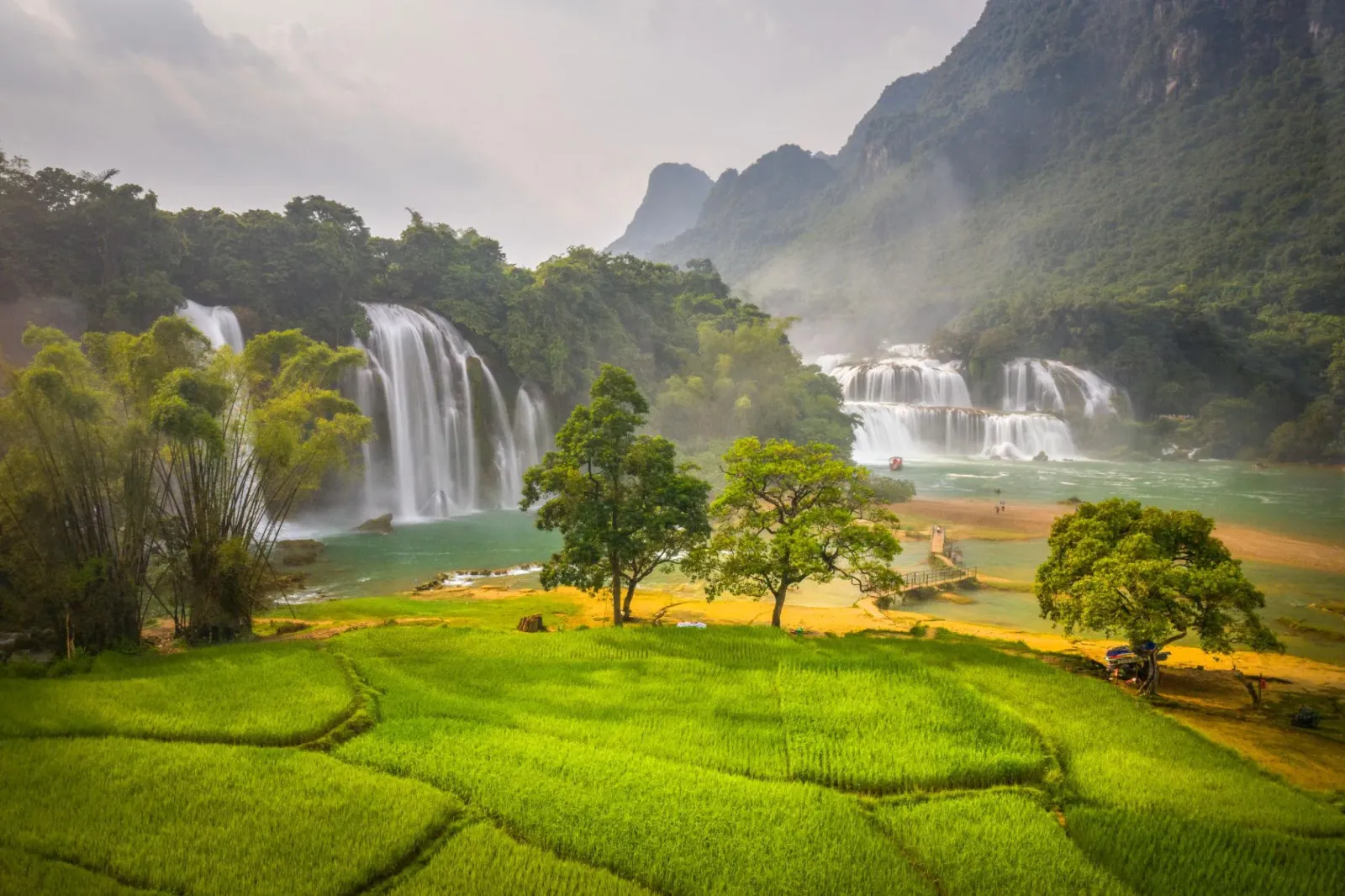
Phong Nam Valley is one of the most peaceful landscapes in northeastern Vietnam, offering a different side of Cao Bang beyond its famous waterfalls and historical landmarks. Surrounded by towering limestone mountains, traditional Tay villages, winding rivers, and vast green fields, Phong Nam Valley has become a favorite destination for travelers seeking authentic rural scenery and quiet experiences. Unlike many popular attractions, the valley remains largely untouched by mass tourism, allowing visitors to experience local life at a slower pace.
Often described as the most beautiful valley in Cao Bang, Phong Nam Valley captivates visitors with its harmonious combination of dramatic karst peaks, fertile farmland, and picturesque villages scattered across the landscape. Every season brings a different character, from vibrant rice fields and misty mornings to golden harvests beneath clear blue skies. Rather than offering a single iconic viewpoint, the valley reveals its beauty gradually along peaceful country roads and hidden corners. For travelers looking to discover a quieter side of Phong Nam Valley Cao Bang, this remarkable destination provides one of the most authentic natural landscapes in northern Vietnam.
Where Is Phong Nam Valley?
Featured Snippet:
Phong Nam Valley is located in Phong Nam Commune, Trung Khanh District, Cao Bang Province, northeastern Vietnam. The valley is approximately 70 km from Cao Bang City, 35 km from Ban Gioc Waterfall, and around 340 km from Hanoi. Visitors can easily reach the area by car or motorbike via Provincial Road DT206, with Google Maps providing accurate navigation to the valley and surrounding villages.
Phong Nam Valley lies in Phong Nam Commune, Trung Khanh District, in the eastern part of Cao Bang Province near the Vietnam–China border. The valley is part of the UNESCO Non Nuoc Cao Bang Global Geopark, an area recognized for its remarkable limestone karst formations and diverse geological heritage. Although it is located close to several of Cao Bang's best-known attractions, the valley has remained a peaceful rural destination with relatively little tourism development.
Administrative Location
Administratively, Phong Nam Valley belongs to Phong Nam Commune, Trung Khanh District, Cao Bang Province. The commune consists of several traditional Tay villages scattered throughout the valley, where agriculture remains the primary livelihood. This rural setting has helped preserve the area's authentic landscape and cultural identity while offering visitors an opportunity to experience everyday life in northern Vietnam's mountain countryside.
Distance from Major Destinations
Phong Nam Valley is easy to combine with other attractions in Cao Bang thanks to its convenient location. Most travelers visit the valley during the same trip as Ban Gioc Waterfall and Nguom Ngao Cave.
| Starting Point | Distance | Estimated Travel Time |
| Cao Bang City | ~70 km | 1.5–2 hours |
| Ban Gioc Waterfall | ~35 km | 45–60 minutes |
| Hanoi | ~340 km | 6.5–8 hours |
Google Maps and Navigation
Finding Phong Nam Valley Cao Bang is straightforward using Google Maps. Simply search for "Phong Nam Valley", "Phong Nam Commune", or "Phong Nam Valley Cao Bang Vietnam". Mobile signal is generally available throughout most of the journey, although it may become weaker in some remote sections. Downloading an offline map before departure is recommended for a smoother trip.
Road Access
The journey begins on National Highway 3 from Hanoi to Cao Bang City before continuing east toward Trung Khanh District via Provincial Road DT206. The roads are mostly paved and suitable for both cars and motorbikes. As you approach the valley, the route becomes narrower and winds through small villages, limestone mountains, and open farmland, making the drive itself one of the highlights of visiting the region.
Landscape and Terrain
The terrain of Phong Nam Valley Vietnam is characterized by a broad agricultural valley surrounded by towering limestone mountains. Flat rice fields occupy the valley floor, while the Quay Son River flows gently through the countryside before continuing toward Ban Gioc Waterfall. This combination of karst peaks, fertile farmland, rivers, and traditional villages creates one of the most distinctive natural landscapes in Phong Nam Valley Cao Bang Vietnam.
Why Is Phong Nam Valley Famous?
Đối với nhiều du khách, Phong Nam Valley không nổi tiếng vì một công trình hay một điểm check-in duy nhất mà bởi toàn bộ khung cảnh thiên nhiên và cuộc sống bản địa được gìn giữ gần như nguyên vẹn. Thung lũng là nơi núi đá vôi, cánh đồng lúa, dòng sông Quây Sơn và các bản làng người Tày hòa quyện thành một bức tranh đặc trưng của vùng Đông Bắc Việt Nam.
Limestone Karst Landscape Creates a Dramatic Natural Setting
Điểm gây ấn tượng đầu tiên của Phong Nam Valley Cao Bang là hệ thống núi đá vôi hùng vĩ thuộc Công viên địa chất Toàn cầu UNESCO Non Nước Cao Bằng. Những dãy núi dựng đứng bao quanh thung lũng tạo nên địa hình lòng chảo rộng lớn, trong khi các khối karst với nhiều hình dạng khác nhau mang đến chiều sâu cho cảnh quan. Đây cũng là một trong những khu vực thể hiện rõ nét quá trình kiến tạo địa chất kéo dài hàng triệu năm của vùng Đông Bắc Việt Nam.
Vast Rice Fields Shape the Valley's Identity
Không giống những cánh đồng quy mô lớn ở đồng bằng, Phong Nam Valley rice fields được chia thành nhiều thửa nhỏ xen kẽ giữa các bản làng và chân núi. Cách canh tác truyền thống của người dân địa phương tạo nên một bức tranh nông nghiệp hài hòa với thiên nhiên, nơi đồng lúa trở thành một phần không thể tách rời của cảnh quan thay vì chỉ là khu vực sản xuất.
The Quay Son River Adds Life to the Landscape
Chảy qua nhiều ngôi làng trong thung lũng, sông Quây Sơn mang đến nguồn nước cho sản xuất nông nghiệp và góp phần tạo nên vẻ đẹp đặc trưng của Phong Nam Valley Vietnam. Dòng sông uốn lượn giữa các cánh đồng và chân núi đá vôi, phản chiếu màu xanh của cây cối và những ngôi nhà sàn truyền thống, tạo nên khung cảnh yên bình hiếm thấy ở các điểm du lịch nổi tiếng.
Traditional Tay Villages Preserve Local Culture
Một trong những giá trị nổi bật của Phong Nam Valley Cao Bang Vietnam là hệ thống bản làng của người Tày vẫn duy trì nếp sống truyền thống. Những ngôi nhà sàn bằng gỗ, hàng rào đá, vườn cây và con đường nhỏ xuyên qua làng phản ánh đời sống gắn bó với nông nghiệp của cộng đồng địa phương. Thay vì phát triển theo hướng thương mại hóa, nhiều ngôi làng vẫn giữ được kiến trúc và sinh hoạt đặc trưng của vùng núi phía Bắc.
An Unspoiled Destination Away from Crowds
Trong khi Ban Gioc Waterfall hay một số điểm đến nổi tiếng khác ngày càng thu hút đông du khách, Phong Nam Valley vẫn giữ được bầu không khí yên tĩnh. Hầu như không có các khu vui chơi quy mô lớn hay mật độ xây dựng dày đặc, giúp du khách dễ dàng tận hưởng vẻ đẹp nguyên sơ của thiên nhiên. Chính sự bình dị và ít chịu tác động của du lịch đại chúng đã khiến nơi đây trở thành điểm đến được nhiều nhiếp ảnh gia và những người yêu khám phá tìm đến.
Best Time to Visit Phong Nam Valley
Featured Snippet:
The best time to visit Phong Nam Valley is from May to June, when the rice fields are lush green, and from September to October, when the valley turns golden during the harvest season. For photography, sunrise offers soft morning mist and warm light, while sunset creates dramatic colors across the limestone mountains and rice fields.
Unlike destinations that have only one ideal travel season, Phong Nam Valley changes its appearance throughout the year. Each season offers a different landscape, making the valley attractive for nature lovers, photographers, and travelers looking for authentic rural scenery. Choosing the right time depends on the type of experience you want rather than simply avoiding bad weather.
Green Rice Season (May–June)
From May to June, the valley is covered with vibrant green rice fields that stretch between limestone mountains and traditional Tay villages. Newly grown rice creates a fresh, vivid landscape that contrasts beautifully with the grey karst peaks and the clear waters of the Quay Son River. This is one of the best periods for visitors who enjoy peaceful countryside views and landscape photography.
Golden Rice Season (September–October)
The most photographed period in Phong Nam Valley Cao Bang is from September to October, when the rice fields reach harvest season. Large areas of the valley turn golden, creating a striking contrast with the surrounding mountains and forests. The harvest scenery reflects the agricultural lifestyle of the local Tay community and is widely considered the most iconic view of Phong Nam Valley Vietnam.
Dry Season (October–April)
The dry season generally brings cooler temperatures, lower humidity, and more stable road conditions. Clear skies often provide better visibility across the valley, making it easier to enjoy panoramic viewpoints and scenic drives. This season is also convenient for travelers combining Phong Nam Valley with Ban Gioc Waterfall, Nguom Ngao Cave, and other attractions in eastern Cao Bang.
Rainy Season (May–September)
The rainy season transforms the valley into a greener landscape as rivers, streams, and vegetation become more vibrant. Afternoon showers are common, particularly during mid-summer, so travelers should prepare waterproof clothing and drive carefully on mountain roads. While rainfall may occasionally affect visibility, it also enhances the lush appearance of the countryside.
Best Time of Day for Photography
The most beautiful light in Phong Nam Valley appears during sunrise and sunset. Early mornings often feature gentle mist drifting between the limestone mountains, creating soft and atmospheric views. In the late afternoon, warm golden light illuminates the rice fields and surrounding peaks, making sunset another excellent time for photography, sightseeing, and enjoying the valley's peaceful scenery.
| Period | Landscape | Best For |
| May–June | Fresh green rice fields | Nature, countryside photography |
| September–October | Golden harvest season | Iconic landscapes, photography |
| Dry Season (Oct–Apr) | Clear skies, pleasant weather | Road trips, sightseeing |
| Rainy Season (May–Sep) | Lush greenery | Scenic views, vibrant landscapes |
Best Things to Do in Phong Nam Valley
While Phong Nam Valley is best known for its peaceful scenery, the experience goes far beyond simply admiring the landscape. The valley is ideal for slow travel, allowing visitors to explore quiet country roads, traditional villages, scenic viewpoints, and the gentle countryside at their own pace. Most activities focus on nature, photography, and cultural discovery rather than adventure or entertainment.
Visit the Best Viewpoints
Several elevated roads and hillsides offer panoramic views across Phong Nam Valley. From these viewpoints, visitors can see limestone mountains rising above rice fields, winding rivers, and scattered Tay villages. Unlike purpose-built observation decks, many viewpoints remain natural roadside stops, making the experience feel more authentic and less crowded.
Drive Through the Valley
One of the highlights of visiting Phong Nam Valley Cao Bang is simply driving through its peaceful countryside. The roads weave between farmland, rivers, and limestone mountains, revealing a constantly changing landscape around every bend. Whether traveling by motorbike or car, the journey itself becomes an important part of the experience rather than just transportation between attractions.
Capture Landscape Photography
For photography enthusiasts, Phong Nam Valley Vietnam offers countless compositions without requiring long hikes. The combination of karst mountains, rivers, traditional houses, and open farmland creates layered landscapes that change with the light throughout the day. Even short stops along the roadside often provide excellent opportunities for wide-angle and telephoto photography.
Explore Traditional Tay Villages
The valley is home to several villages where the Tay ethnic community continues to preserve its traditional lifestyle. Walking through these villages allows visitors to observe wooden stilt houses, stone fences, vegetable gardens, and quiet rural roads. Respecting local privacy and asking permission before photographing residents helps create a more meaningful cultural experience.
Ride Along the Quay Son River
The peaceful roads following the Quay Son River provide one of the most scenic routes in eastern Cao Bang. The river flows gently beside farmland and limestone cliffs, creating beautiful reflections and open views throughout the journey. Cycling or riding a motorbike along this section offers a slower pace that allows travelers to appreciate the valley's natural beauty.
Experience Drone Photography
With its wide-open landscapes and dramatic mountain backdrop, Phong Nam Valley is one of the best locations in Cao Bang for aerial photography. Drone footage reveals the geometric patterns of rice fields, winding rivers, and traditional villages hidden among the karst formations. Visitors should always fly responsibly, avoid residential areas, and follow local regulations.
Watch Sunrise Over the Valley
Early morning is one of the quietest times to experience the valley. As the first sunlight reaches the limestone peaks, soft light spreads across the countryside and gentle mist may linger above the fields and river. Sunrise is particularly rewarding for photographers seeking calm conditions and natural morning light.
Enjoy a Peaceful Sunset
Sunset brings a completely different atmosphere to Phong Nam Valley Cao Bang Vietnam. Warm evening light gradually illuminates the mountains, villages, and surrounding farmland, creating rich colors and long shadows across the landscape. It is an ideal time to relax at a viewpoint, enjoy the silence of the countryside, and end a day of exploration without the crowds found at more commercial destinations.
Nearby Attractions
One of the greatest advantages of visiting Phong Nam Valley is its location in the heart of eastern Cao Bang, where many of the province's most famous natural and cultural attractions can be reached within a short drive. Most travelers combine several destinations into a one-day or two-day itinerary, making the valley an excellent base for exploring the UNESCO Non Nuoc Cao Bang Global Geopark.
Ban Gioc Waterfall
Located around 35 km from Phong Nam Valley, Ban Gioc Waterfall is the largest natural waterfall in Vietnam and one of the most spectacular border waterfalls in the world. The waterfall is famous for its multiple cascades, emerald waters, and dramatic limestone backdrop. Many visitors begin or end their journey here before continuing to the quieter landscapes of Phong Nam Valley.
Nguom Ngao Cave
Just a few kilometers from Ban Gioc Waterfall, Nguom Ngao Cave is one of Vietnam's finest limestone caves. Inside, visitors can walk through well-lit passages filled with impressive stalactites, stalagmites, and naturally sculpted rock formations. The cave offers a fascinating contrast to the open scenery of Phong Nam Valley Cao Bang, making it a popular stop on the same route.
Khuoi Ky Stone Village
Khuoi Ky Stone Village is a traditional Tay settlement known for its unique stone houses, some of which have stood for generations. Narrow stone lanes, peaceful courtyards, and mountain scenery create an atmosphere that reflects the architectural heritage of Cao Bang. It is an excellent place to learn about local culture while enjoying a slower pace of travel.
Truc Lam Ban Gioc Pagoda
Perched on a hillside overlooking Ban Gioc Waterfall, Truc Lam Ban Gioc Pagoda offers panoramic views across the surrounding mountains and border landscape. The pagoda combines traditional Vietnamese Buddhist architecture with a tranquil setting, making it both a spiritual site and one of the best viewpoints in the region.
Quay Son River
Flowing through both Phong Nam Valley and Ban Gioc, the Quay Son River is one of the defining natural features of eastern Cao Bang. Its clear water winds gently through rice fields and limestone mountains before reaching the famous waterfall. Scenic riverside roads make this one of the most enjoyable routes for sightseeing, photography, and leisurely drives.
Ma Phuc Pass
Located on the route between Cao Bang City and Trung Khanh District, Ma Phuc Pass is one of the province's best-known mountain passes. The winding road climbs between towering limestone cliffs and offers impressive views across the surrounding valleys. Many travelers stop here briefly to enjoy the scenery before continuing toward Phong Nam Valley Vietnam.
Angel Eye Mountain
Approximately one hour from the valley, Angel Eye Mountain is renowned for its enormous natural hole through the center of the limestone peak. Surrounded by open grasslands and seasonal lakes, it has become one of the most photographed landscapes in Cao Bang. Together with Phong Nam Valley, it showcases the remarkable geological diversity of the UNESCO Global Geopark.
Distance from Phong Nam Valley
| Attraction | Approximate Distance | Estimated Driving Time |
| Ban Gioc Waterfall | 35 km | 45–60 minutes |
| Nguom Ngao Cave | 32 km | 40–50 minutes |
| Khuoi Ky Stone Village | 30 km | 40–45 minutes |
| Truc Lam Ban Gioc Pagoda | 36 km | 45–60 minutes |
| Quay Son River | Along the valley | Easily accessible |
| Ma Phuc Pass | 45 km | 1 hour |
| Angel Eye Mountain | 45–50 km | About 1 hour |
Thanks to these short travel distances, visitors can easily combine Phong Nam Valley Cao Bang Vietnam with several iconic destinations in a single itinerary. Whether you are interested in waterfalls, caves, ethnic villages, mountain passes, or geological landscapes, the surrounding area offers a diverse range of experiences without requiring long transfers.
Suggested Phong Nam Valley Itinerary
Whether you have just a few hours or several days in Cao Bang, Phong Nam Valley can easily be incorporated into different travel plans. Thanks to its convenient location near Ban Gioc Waterfall and other major attractions, the valley works well as a standalone destination or as part of a broader journey through the UNESCO Non Nuoc Cao Bang Global Geopark.
Half-Day Itinerary
A half-day visit is ideal for travelers already staying near Ban Gioc Waterfall or Trung Khanh District. Begin with a scenic drive through Phong Nam Valley, stopping at several viewpoints overlooking the limestone mountains and rice fields. Continue with a leisurely ride along the Quay Son River before walking through one or two traditional Tay villages. Finish the trip by enjoying the peaceful countryside before returning to your accommodation.
This option focuses on sightseeing and photography without requiring a full day's schedule.
One-Day Itinerary
A full day allows you to experience the valley at a slower pace. Start early with sunrise at a panoramic viewpoint before driving through the rural roads connecting different villages. Spend time photographing the landscapes, visiting Tay communities, and exploring quiet sections of the Quay Son River.
In the afternoon, continue discovering lesser-known viewpoints or simply enjoy a relaxed drive through the countryside before returning to Cao Bang City or Ban Gioc. This itinerary offers the best balance between scenery, culture, and relaxation.
Combine with Ban Gioc Waterfall
The most popular itinerary combines Phong Nam Valley with Ban Gioc Waterfall, Nguom Ngao Cave, Khuoi Ky Stone Village, and Truc Lam Ban Gioc Pagoda. Visitors typically begin the morning at Ban Gioc Waterfall, continue to Nguom Ngao Cave, enjoy lunch near Khuoi Ky Village, and spend the afternoon exploring the peaceful landscapes of Phong Nam Valley before returning in the evening.
This route brings together Cao Bang's most iconic waterfall with one of its most beautiful rural valleys in a single day.
Combine with the Cao Bang Loop
For travelers following the Cao Bang Loop, Phong Nam Valley Cao Bang fits naturally into a two- to four-day itinerary. After exploring Cao Bang City, Ma Phuc Pass, and Angel Eye Mountain, continue east toward Phong Nam Valley before visiting Ban Gioc Waterfall, Nguom Ngao Cave, and nearby cultural sites.
This route offers a comprehensive journey through the UNESCO Non Nuoc Cao Bang Global Geopark, combining dramatic mountain passes, traditional villages, caves, waterfalls, and some of the most scenic countryside in northern Vietnam.
Recommended Itinerary Overview
| Itinerary | Duration | Highlights |
| Half Day | 3–4 hours | Valley viewpoints, Quay Son River, Tay villages |
| One Day | 7–9 hours | Scenic drive, photography, viewpoints, local villages |
| Ban Gioc Combination | 1 day | Ban Gioc Waterfall, Nguom Ngao Cave, Khuoi Ky Village, Truc Lam Pagoda, Phong Nam Valley |
| Cao Bang Loop Combination | 2–4 days | Cao Bang City, Ma Phuc Pass, Angel Eye Mountain, Phong Nam Valley, Ban Gioc Waterfall, Nguom Ngao Cave |
Travel Tips for Visiting Phong Nam Valley
Although Phong Nam Valley is easy to reach from Cao Bang City and Ban Gioc Waterfall, a little preparation will make your trip more comfortable and enjoyable. The valley remains a peaceful rural area with limited tourist facilities, so planning ahead allows you to spend more time enjoying the scenery and less time dealing with unexpected inconveniences.
Rent a Motorbike for Greater Flexibility
A motorbike is one of the best ways to explore Phong Nam Valley Cao Bang. Many viewpoints, riverside roads, and traditional villages are spread across the valley, and having your own transportation allows you to stop whenever you find an interesting landscape. If you are not confident riding on mountain roads, hiring a private car with a local driver is a comfortable alternative.
Bring Drinking Water and Snacks
There are small local shops in some villages, but they may not always be available along your route. Carrying enough drinking water and a few light snacks is recommended, especially if you plan to spend several hours driving or walking between viewpoints. This simple preparation helps you stay comfortable without needing to search for services in remote areas.
Avoid Flying Drones Near the Border
Parts of Phong Nam Valley Vietnam are located close to the Vietnam–China border. Drone flights may be restricted in border areas or require official permission depending on the location. Before flying, check the latest local regulations and avoid operating drones near military facilities, border markers, or sensitive areas. Respecting these rules helps protect both your safety and local security.
Start Early in the Morning
Beginning your trip early allows you to enjoy quieter roads, cooler temperatures, and softer natural light. Early departures also give you more flexibility to combine Phong Nam Valley with nearby attractions such as Ban Gioc Waterfall or Nguom Ngao Cave without feeling rushed later in the day.
Refuel Before Entering the Valley
Fuel stations become less frequent as you travel farther into Trung Khanh District. If you are riding a motorbike or driving independently, it is a good idea to fill your fuel tank in Cao Bang City or before leaving the larger towns along the route. This is especially important if you plan to continue exploring nearby attractions after visiting the valley.
Download Offline Maps
Mobile coverage is generally reliable in most parts of the valley, but signal strength can occasionally weaken in more remote locations. Downloading Google Maps or another offline navigation app before departure provides extra peace of mind and makes it easier to navigate without depending on a mobile data connection.
Respect Local Communities
Many of the villages in Phong Nam Valley Cao Bang Vietnam are home to Tay families who continue their daily agricultural activities. Drive slowly through residential areas, avoid making excessive noise, and always ask for permission before photographing local people or entering private property. Responsible travel helps preserve the valley's peaceful atmosphere and supports positive relationships between visitors and local communities.
Common Mistakes When Visiting Phong Nam Valley
Phong Nam Valley is relatively easy to explore, but a few common mistakes can affect your overall experience. Because the valley is a rural destination with limited tourist infrastructure, planning ahead and traveling at a relaxed pace will help you make the most of your visit.
Visiting in the Middle of the Day
Many travelers arrive around noon after leaving Cao Bang City or Ban Gioc Waterfall. While this is convenient, the stronger sunlight can reduce visibility for landscape photography and make walking or sightseeing less comfortable, especially during warmer months. Starting your journey earlier or staying until late afternoon generally provides a more enjoyable experience.
Forgetting to Refuel
Fuel stations become less common once you leave the larger towns and head toward Phong Nam Valley Cao Bang. Travelers exploring multiple attractions in the same day sometimes underestimate the total driving distance. Filling your fuel tank before entering the valley is a simple step that helps avoid unnecessary detours or delays.
Ignoring the Weather Forecast
Mountain weather in Cao Bang can change quickly. Rain may reduce visibility at viewpoints, make roads slippery, and limit photography opportunities. Checking the forecast before departure allows you to prepare appropriate clothing, waterproof gear, and adjust your itinerary if necessary.
Arriving Too Late for the Harvest Season
Many visitors travel specifically to see the famous rice fields but arrive after much of the harvest has already been completed. The timing of harvesting varies slightly from year to year depending on weather conditions, so checking local updates before your trip helps ensure you experience the landscape you are expecting.
Not Carrying Cash
Although some restaurants, cafés, and homestays accept digital payments, many small family-run businesses in Phong Nam Valley Vietnam still prefer cash. Carrying enough Vietnamese Dong for meals, drinks, parking, and small purchases makes your journey much more convenient, especially in remote villages.
Driving Too Fast and Missing Scenic Viewpoints
One of the biggest mistakes is treating Phong Nam Valley as simply a road connecting other attractions. Many of the best viewpoints are located along quiet roadside sections without large signs or parking areas. Driving slowly allows you to notice panoramic overlooks, peaceful villages, and beautiful river scenery that many visitors pass without realizing.
Trying to Visit Too Many Attractions in One Day
Because Ban Gioc Waterfall, Nguom Ngao Cave, Khuoi Ky Stone Village, and Phong Nam Valley Cao Bang Vietnam are all relatively close together, some travelers attempt to visit every destination in a single rushed itinerary. Allowing extra time to stop, walk, and enjoy the scenery creates a far more rewarding experience than simply checking each attraction off a list.
Conclusion
Phong Nam Valley offers a quieter and more authentic side of Cao Bang, where limestone mountains, peaceful Tay villages, the Quay Son River, and expansive rice fields come together to create one of northern Vietnam's most beautiful rural landscapes. Rather than focusing on a single landmark, the valley rewards travelers who appreciate scenic drives, slow exploration, and opportunities to experience local culture in a natural setting.
Whether you are a photographer, nature lover, road trip enthusiast, or someone looking to escape crowded tourist destinations, Phong Nam Valley Cao Bang is well worth adding to your itinerary. It also pairs perfectly with nearby attractions such as Ban Gioc Waterfall, Nguom Ngao Cave, and Khuoi Ky Stone Village, making it an essential stop on any journey through eastern Cao Bang. Plan your route in advance, allow enough time to explore at a relaxed pace, and discover why Phong Nam Valley Vietnam has become one of the region's most memorable hidden gems.