


Northeast Vietnam Travel Guide: Everything You Need to Plan Your Trip
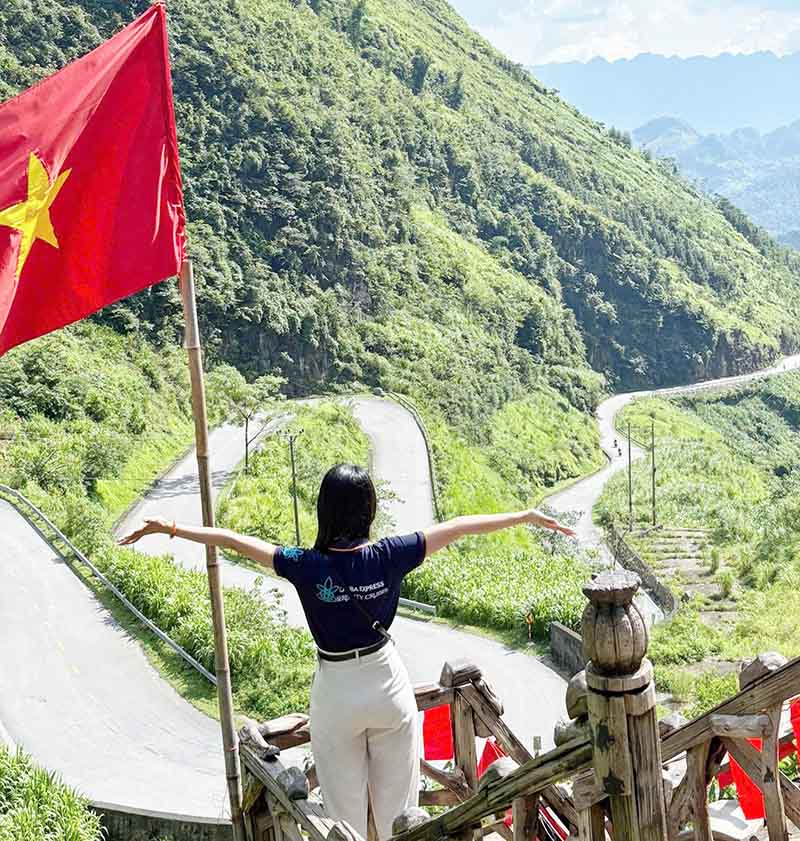
Northeast Vietnam Travel Guide introduces one of the country's most rewarding regions for travelers seeking dramatic landscapes, authentic cultural experiences, and destinations that remain far less crowded than Vietnam's most famous tourist hotspots. Stretching across rugged mountains, limestone valleys, crystal-clear lakes, and picturesque border areas, Northeast Vietnam offers an incredible variety of scenery within a relatively compact area.
Unlike destinations focused on a single attraction, this region combines natural wonders, peaceful ethnic villages, scenic mountain passes, national parks, and some of Vietnam's most iconic viewpoints. Whether you enjoy photography, outdoor adventures, cultural discovery, or simply escaping busy cities, Northeast Vietnam provides unforgettable experiences throughout every stage of your journey.
This Northeast Vietnam Travel Guide is designed for first-time visitors, independent travelers, couples, families, and anyone looking to explore beyond Vietnam's traditional tourist route. From the spectacular Ban Gioc Waterfall and the legendary Ha Giang Loop to the tranquil beauty of Ba Be Lake and the hidden valleys of Cao Bang, every destination showcases a different side of Northeast Vietnam. If you're planning a memorable mountain adventure filled with breathtaking scenery and authentic local culture, Northeast Vietnam is one of the best regions to discover.
Where Is Northeast Vietnam?
Featured Snippet: Northeast Vietnam is a mountainous region in northern Vietnam bordering China. It includes provinces such as Cao Bang, Ha Giang, Bac Kan, Lang Son, Tuyen Quang, and Thai Nguyen, offering spectacular limestone mountains, lakes, national parks, and ethnic minority communities. The region lies approximately 150–300 km from Hanoi, depending on the destination.
Which Provinces Are in Northeast Vietnam?
Northeast Vietnam, locally known as Đông Bắc, covers a diverse collection of provinces renowned for their natural beauty and cultural diversity. The most popular destinations for international travelers are Cao Bang and Ha Giang, famous for dramatic mountain scenery, winding passes, and unique geological landscapes.
Other provinces add different experiences to the region. Bac Kan is home to Ba Be National Park and Vietnam's largest natural freshwater lake, while Lang Son is known for its border heritage, limestone caves, and local markets. Tuyen Quang offers peaceful forests and historical attractions, and Thai Nguyen is widely recognized for its tea plantations and rolling hills.
Together, these provinces create a varied travel destination where visitors can experience mountains, lakes, waterfalls, valleys, caves, and traditional ethnic villages within a single journey.
How Far Is Northeast Vietnam from Hanoi?
Most travelers begin their trip from Hanoi, the main transportation hub for Northern Vietnam. Travel times vary depending on which province you choose as your starting point.
| Destination | Distance from Hanoi | Travel Time |
|---|---|---|
| Thai Nguyen | ~80 km | 1.5–2 hours |
| Tuyen Quang | ~165 km | 3–4 hours |
| Bac Kan (Ba Be) | ~230 km | 4.5–5.5 hours |
| Lang Son | ~155 km | 2.5–3.5 hours |
| Cao Bang City | ~280 km | 5.5–7 hours |
| Ha Giang City | ~300 km | 6–7 hours |
Map and Geography
Northeast Vietnam occupies the northeastern corner of the country and shares a long international border with southern China. The region is characterized by towering limestone mountains, deep valleys, winding rivers, dense forests, and protected national parks, creating some of Vietnam's most spectacular natural scenery.
Its varied geography supports numerous outdoor activities, from exploring waterfalls and caves to hiking through mountain landscapes and visiting remote ethnic communities. Thanks to this combination of diverse terrain and relatively unspoiled environments, Northeast Vietnam has become one of the country's premier destinations for nature lovers, photographers, and adventure travelers.
Why Visit Northeast Vietnam?
Spectacular Mountain Landscapes
One of the biggest reasons to visit Northeast Vietnam is its extraordinary mountain scenery. Unlike many other parts of the country, the region is defined by towering limestone peaks, deep valleys, winding mountain passes, crystal-clear lakes, and dramatic waterfalls. Every province offers a unique landscape, from the iconic Ban Gioc Waterfall in Cao Bang and the rugged mountains of Ha Giang to the tranquil waters of Ba Be Lake.
Many destinations remain largely untouched by mass tourism, allowing visitors to enjoy breathtaking views without large crowds. Whether you're driving through mountain roads or standing at a panoramic viewpoint, Northeast Vietnam consistently delivers some of Vietnam's most memorable natural landscapes.
Authentic Ethnic Culture
Northeast Vietnam is home to dozens of ethnic minority communities, including the Tay, Nung, Dao, H'Mong, San Chi, and Lo Lo people. Each group has preserved its own language, traditional clothing, architecture, customs, and festivals, creating a rich cultural diversity that is difficult to find elsewhere in Vietnam.
Traveling through the region provides opportunities to visit traditional villages, explore local markets, stay in family-run homestays, and observe everyday life in rural mountain communities. Rather than staged cultural performances, visitors often experience genuine local traditions that have been maintained for generations, making every encounter feel authentic and meaningful.
Less Crowded Than Other Regions
While destinations such as Sapa, Ninh Binh, and Ha Long Bay attract millions of visitors each year, much of Northeast Vietnam remains refreshingly peaceful. Many attractions are still relatively undiscovered by international tourists, allowing travelers to enjoy a slower pace and a stronger connection with nature.
The quieter atmosphere also makes sightseeing more enjoyable. Visitors can spend time at viewpoints, waterfalls, lakes, and villages without feeling rushed or competing with large tour groups. This sense of space and tranquility is one of the region's greatest strengths for travelers seeking a more authentic experience.
Perfect for Nature Lovers and Photographers
Northeast Vietnam offers endless opportunities for outdoor enthusiasts and photographers. Every season transforms the landscape, from lush green valleys and flowing waterfalls to golden rice terraces and mist-covered mountain peaks. Early mornings often bring soft light and dramatic clouds, while sunsets create stunning panoramic views across limestone ranges.
Beyond the famous landmarks, countless scenic roads, hidden valleys, rivers, and traditional villages reward those willing to explore further. Whether capturing sweeping landscapes, documenting local culture, or simply enjoying time in nature, Northeast Vietnam provides an inspiring setting that keeps many travelers returning to discover new places.
Best Places to Visit in Northeast Vietnam
Ban Gioc Waterfall
Ban Gioc Waterfall is widely regarded as one of the most beautiful waterfalls in Southeast Asia and a highlight of any Northeast Vietnam Travel Guide. Located on the Vietnam–China border in Cao Bang Province, the waterfall is famous for its multiple cascades, emerald waters, and spectacular limestone backdrop. Visitors can take a bamboo raft close to the falls, walk along scenic viewing paths, or enjoy panoramic views from nearby Truc Lam Ban Gioc Pagoda. Its impressive scale and peaceful surroundings make it one of Northeast Vietnam's most iconic natural attractions.
Cao Bang Loop
The Cao Bang Loop is an increasingly popular road trip that showcases many of the region's finest landscapes in just a few days. The route connects famous attractions such as Ban Gioc Waterfall, Nguom Ngao Cave, Angel Eye Mountain, Phong Nam Valley, Thang Hen Lake, and Ma Phuc Pass. Compared with other mountain routes in Vietnam, the Cao Bang Loop is generally less crowded and offers a relaxed travel experience with stunning scenery, traditional villages, and well-maintained roads.
Phong Nam Valley
Phong Nam Valley is one of Northeast Vietnam's hidden gems, offering a peaceful escape surrounded by limestone mountains, rice fields, and the gentle Quay Son River. Unlike more famous destinations, the valley remains largely untouched by mass tourism, allowing visitors to experience authentic rural life and breathtaking landscapes. The scenery changes throughout the year, but the green summer fields and golden rice harvest season are especially popular with photographers seeking unforgettable mountain views.
Angel Eye Mountain
Angel Eye Mountain is one of Vietnam's most distinctive geological landmarks thanks to the enormous natural hole that passes through its limestone peak. Surrounded by open grasslands, seasonal lakes, and rolling mountains, it creates a landscape unlike anywhere else in the country. Visitors often come to hike across the valley, photograph the mountain from different angles, or simply enjoy the peaceful atmosphere of one of Cao Bang's most remarkable natural wonders.
Nguom Ngao Cave
Located just a few kilometers from Ban Gioc Waterfall, Nguom Ngao Cave is famous for its impressive limestone formations created over millions of years. Inside, visitors can explore well-lit pathways lined with enormous stalactites, stalagmites, and naturally sculpted chambers. The cave remains cool throughout the year, making it an excellent stop after visiting nearby outdoor attractions. Its accessibility and extraordinary rock formations make it one of Northeast Vietnam's finest caves.
Ba Be Lake
Ba Be Lake, located within Ba Be National Park in Bac Kan Province, is Vietnam's largest natural freshwater lake and one of the country's most peaceful destinations. Surrounded by dense forests and towering limestone mountains, the lake is ideal for boat cruises, kayaking, hiking, and wildlife watching. Visitors can also stay in traditional Tay villages around the lake, providing a perfect combination of natural beauty and cultural experiences in a tranquil setting.
Pac Bo Historical Site
Pac Bo Historical Site combines spectacular natural scenery with significant cultural and historical value. Nestled among forested mountains and clear streams, the area is known for its tranquil environment, scenic walking trails, and landmarks such as Lenin Stream, Coc Bo Cave, and Karl Marx Mountain. Today, Pac Bo attracts travelers interested in both beautiful landscapes and meaningful heritage, making it one of the most rewarding destinations in Northeast Vietnam.
Ha Giang Loop
The Ha Giang Loop is Vietnam's most famous mountain road trip and one of the country's greatest adventure experiences. Winding through dramatic limestone peaks, deep valleys, high mountain passes, and remote ethnic villages, the loop offers constantly changing scenery over several days of travel. Highlights include Ma Pi Leng Pass, Dong Van Karst Plateau Geopark, Lung Cu Flag Tower, and numerous traditional markets. For travelers seeking unforgettable mountain landscapes and cultural immersion, the Ha Giang Loop is an essential part of any Northeast Vietnam itinerary.
Best Time to Visit Northeast Vietnam
Featured Snippet: The best time to visit Northeast Vietnam is from September to November and March to May, when temperatures are comfortable, rainfall is lower, and mountain landscapes are at their most beautiful. Autumn offers golden rice fields and clear skies, while spring brings lush greenery, blooming flowers, and ideal conditions for sightseeing and outdoor activities.
Spring (March to May)
Spring is one of the most pleasant seasons to explore Northeast Vietnam. The weather is generally mild, with comfortable temperatures and fresh mountain air, making it ideal for sightseeing, hiking, and photography. Forests become greener, flowers begin to bloom, and rivers and waterfalls remain full after the cooler months.
This season is also an excellent time to visit destinations such as Ba Be Lake, Ban Gioc Waterfall, and the valleys of Cao Bang, where the scenery appears vibrant without the intense summer heat. Spring festivals held by local ethnic communities also add a unique cultural element to many trips.
Summer (June to August)
Summer transforms Northeast Vietnam into a landscape of deep green mountains, flowing waterfalls, and thriving rice fields. Ban Gioc Waterfall is particularly impressive during this period, with stronger water flow creating dramatic views. Lakes, forests, and national parks are also at their most vibrant.
However, summer is also the rainy season, and occasional heavy showers can affect mountain roads and outdoor activities. Travelers should monitor weather forecasts and allow flexibility in their itinerary, especially when visiting remote areas or driving through mountain passes.
Autumn (September to November)
Autumn is widely considered the best season to visit Northeast Vietnam. The weather becomes cooler and drier, visibility improves, and the landscapes are enhanced by golden rice fields, clear blue skies, and comfortable temperatures. These conditions are ideal for road trips, trekking, photography, and exploring multiple destinations in one journey.
Many of the region's most iconic viewpoints are especially beautiful during September and October, making autumn the peak season for travelers seeking spectacular mountain scenery.
Winter (December to February)
Winter offers a completely different perspective of Northeast Vietnam. Temperatures can become quite cool in the mountains, particularly during early mornings and evenings, while mist often blankets valleys and limestone peaks to create dramatic landscapes. The peaceful atmosphere and fewer visitors make this an attractive season for travelers who prefer quieter experiences.
Although some days may be chilly, clear winter weather often provides excellent visibility for photography and sightseeing. Packing warm clothing is recommended, especially when visiting higher elevations.
| Season | Weather | Best Activities |
|---|---|---|
| Spring (Mar–May) | Mild, fresh, comfortable | Sightseeing, hiking, waterfalls, cultural villages |
| Summer (Jun–Aug) | Warm, humid, occasional rain | Waterfalls, lakes, national parks, lush landscapes |
| Autumn (Sep–Nov) | Cool, dry, clear skies | Road trips, photography, trekking, rice harvest scenery |
| Winter (Dec–Feb) | Cool to cold, misty mornings | Scenic drives, photography, peaceful sightseeing |
How to Get Around Northeast Vietnam
Sleeper Bus
Sleeper buses are the most affordable way to travel between major cities and provinces in Northeast Vietnam. Regular services connect Hanoi with destinations such as Cao Bang, Ha Giang, Bac Kan, Lang Son, and Tuyen Quang, making them a convenient option for budget travelers. Many overnight buses allow visitors to maximize sightseeing time by traveling during the night.
However, buses usually stop in provincial cities rather than remote attractions. Travelers planning to visit waterfalls, valleys, caves, or mountain viewpoints will often need to combine bus travel with taxis, local transfers, or motorbike rentals after arrival.
Private Car
Hiring a private car with a driver is one of the most comfortable and flexible ways to explore Northeast Vietnam. It is particularly suitable for families, couples, small groups, or travelers who prefer not to drive on mountain roads. A private vehicle allows you to travel directly between attractions, stop at scenic viewpoints, and adjust your schedule without relying on public transportation.
Although this is the most expensive option, it saves time and offers greater convenience when visiting destinations spread across different provinces, especially on multi-day itineraries.
Motorbike
A motorbike offers the greatest freedom for exploring Northeast Vietnam and is the preferred choice for many adventure travelers. Scenic routes such as the Cao Bang Loop and Ha Giang Loop are best experienced on two wheels, allowing riders to stop at viewpoints, villages, waterfalls, and hidden valleys whenever they wish.
While many roads are well paved, mountain terrain includes steep climbs, sharp bends, and changing weather conditions. Riders should have previous motorbike experience, wear proper safety equipment, and carry an International Driving Permit where required by local regulations.
Easy Rider
Easy Rider tours are an excellent alternative for travelers who want to enjoy Northeast Vietnam's spectacular scenery without driving themselves. An experienced local rider handles the motorbike while passengers can relax, take photographs, and learn about local culture along the journey.
Easy Rider experiences are especially popular on the Ha Giang Loop and the Cao Bang Loop, where local guides know the safest routes, hidden viewpoints, and authentic villages that independent travelers may otherwise overlook.
| Transportation | Best For | Advantages | Limitations |
|---|---|---|---|
| Sleeper Bus | Budget travelers | Affordable, frequent routes between major cities | Limited access to remote attractions |
| Private Car | Families, groups, couples | Comfortable, flexible, door-to-door service | Higher overall cost |
| Motorbike | Independent and experienced riders | Maximum flexibility, scenic road trips | Requires riding experience and safety awareness |
| Easy Rider | First-time visitors, non-riders | Local expertise, stress-free travel, excellent sightseeing | Less independent than self-driving |
Suggested Northeast Vietnam Itineraries
The ideal Northeast Vietnam itinerary depends on how much time you have and which destinations interest you most. A five-day trip covers the region's highlights, while seven or ten days allow for a slower pace and a deeper exploration of its spectacular landscapes and ethnic communities. The following itineraries balance travel time with sightseeing to help you experience the best of Northeast Vietnam.
5-Day Northeast Vietnam Itinerary
A five-day itinerary is perfect for travelers who want to visit Northeast Vietnam's most iconic attractions without feeling overly rushed. This route focuses on Cao Bang's natural wonders before continuing to the dramatic mountain scenery of Ha Giang.
| Day | Destination | Overnight |
|---|---|---|
| Day 1 | Hanoi → Cao Bang City | Cao Bang |
| Day 2 | Ban Gioc Waterfall, Nguom Ngao Cave, Khuoi Ky Stone Village | Ban Gioc |
| Day 3 | Angel Eye Mountain, Phong Nam Valley, Ma Phuc Pass → Ha Giang | Ha Giang |
| Day 4 | Ha Giang Loop Highlights | Dong Van |
| Day 5 | Ma Pi Leng Pass → Hanoi | — |
This itinerary is ideal for first-time visitors who want to combine Northeast Vietnam's famous waterfalls, mountain valleys, and legendary driving routes within a limited timeframe.
7-Day Northeast Vietnam Itinerary
Seven days provides a more balanced journey, allowing extra time to appreciate the region's natural beauty without long daily drives. In addition to Cao Bang and Ha Giang, the itinerary includes Ba Be Lake, one of Vietnam's most peaceful natural destinations.
| Day | Destination | Overnight |
|---|---|---|
| Day 1 | Hanoi → Ba Be Lake | Ba Be |
| Day 2 | Boat trip on Ba Be Lake → Cao Bang | Cao Bang |
| Day 3 | Ban Gioc Waterfall, Nguom Ngao Cave, Khuoi Ky Stone Village | Ban Gioc |
| Day 4 | Phong Nam Valley, Angel Eye Mountain, Ma Phuc Pass | Cao Bang |
| Day 5 | Pac Bo Historical Site → Ha Giang | Ha Giang |
| Day 6 | Ha Giang Loop | Dong Van |
| Day 7 | Ma Pi Leng Pass → Hanoi | — |
This route combines lakes, waterfalls, caves, mountain passes, and cultural landmarks, making it one of the most complete introductions to Northeast Vietnam.
10-Day Northeast Vietnam Itinerary
A ten-day itinerary is recommended for travelers who prefer a slower pace and want to experience Northeast Vietnam beyond its most famous attractions. The additional days allow more time for scenic stops, village visits, photography, and outdoor activities while reducing long driving hours.
| Day | Destination | Overnight |
|---|---|---|
| Day 1 | Hanoi → Lang Son | Lang Son |
| Day 2 | Lang Son → Ba Be Lake | Ba Be |
| Day 3 | Ba Be National Park | Ba Be |
| Day 4 | Ba Be → Cao Bang City | Cao Bang |
| Day 5 | Ban Gioc Waterfall, Nguom Ngao Cave | Ban Gioc |
| Day 6 | Phong Nam Valley, Angel Eye Mountain, Khuoi Ky Stone Village | Cao Bang |
| Day 7 | Pac Bo Historical Site | Cao Bang |
| Day 8 | Cao Bang → Ha Giang | Ha Giang |
| Day 9 | Ha Giang Loop | Dong Van |
| Day 10 | Ma Pi Leng Pass → Hanoi | — |
This extended itinerary offers the most rewarding experience for nature lovers and photographers, providing enough time to enjoy each destination rather than simply passing through. It also creates opportunities to discover smaller villages, scenic viewpoints, and hidden landscapes that are often missed on shorter trips.
Where to Stay in Northeast Vietnam
Choosing the right place to stay can make your Northeast Vietnam journey more comfortable and efficient. Most travelers divide their accommodation between the region's major destinations, allowing enough time to explore nearby attractions without spending long hours on the road. From city hotels to lakeside homestays, Northeast Vietnam offers options for every travel style and budget.
Cao Bang
Cao Bang City is the best base for travelers exploring the western part of Northeast Vietnam. The city offers the widest range of hotels, guesthouses, and boutique accommodations, making it suitable for both short and extended stays. From here, visitors can easily take day trips to attractions such as Angel Eye Mountain, Thang Hen Lake, Ma Phuc Pass, and Pac Bo Historical Site.
Staying in Cao Bang is also convenient for travelers beginning or ending the Cao Bang Loop, with plenty of restaurants, cafés, motorbike rental services, and transportation connections available.
Ban Gioc
Spending a night near Ban Gioc Waterfall allows visitors to experience one of Northeast Vietnam's most famous attractions without rushing. The area features a growing selection of family-run homestays, eco-lodges, and small hotels surrounded by mountains and rice fields.
An overnight stay also makes it easier to visit nearby destinations such as Nguom Ngao Cave, Khuoi Ky Stone Village, and Truc Lam Ban Gioc Pagoda while enjoying the peaceful atmosphere before or after the daytime crowds arrive.
Ba Be
Ba Be Lake is best known for its traditional homestays operated by local Tay families. Many accommodations are located beside the lake or within nearby villages, offering a relaxing environment surrounded by forests and limestone mountains.
Staying overnight gives visitors more time to enjoy boat cruises, kayaking, hiking, and the quiet beauty of Ba Be National Park. It is an excellent choice for travelers seeking nature, cultural experiences, and a slower pace.
Ha Giang
Ha Giang City is the main starting point for the famous Ha Giang Loop and offers accommodation ranging from budget hostels to comfortable hotels. Many travelers spend their first night here before beginning the multi-day mountain route.
For those completing the full loop, additional overnight stops are commonly planned in towns such as Dong Van, Meo Vac, or Yen Minh. This allows more time to enjoy spectacular mountain scenery, ethnic villages, and scenic passes while avoiding long hours of driving each day.
What to Eat in Northeast Vietnam
Food is an essential part of any Northeast Vietnam Travel Guide, with each province offering specialties shaped by its mountain climate, ethnic traditions, and locally sourced ingredients. Rather than elaborate cuisine, the region is known for simple dishes that highlight fresh produce, smoked meats, herbs, and traditional cooking methods passed down through generations.
Cao Bang Specialties
Cao Bang is famous for its distinctive local dishes that are difficult to find elsewhere in Vietnam. Popular specialties include banh cuon Cao Bang, served with a light bone broth instead of fish sauce, sour pho (pho chua), and roasted duck, which is marinated with local spices before being slowly roasted until crispy.
Visitors should also try smoked pork, sticky rice dishes, chestnuts, and handmade rice cakes. Many of these specialties are prepared using recipes preserved by Tay and Nung communities, giving Cao Bang cuisine its unique regional identity.
Ha Giang Specialties
Ha Giang's cuisine reflects the traditions of the H'Mong, Dao, Tay, and other ethnic groups living in the northern mountains. Signature dishes include thang co, a traditional stew often served during local markets, five-color sticky rice, grilled meats, smoked buffalo, and buckwheat cakes made from the region's famous flower fields.
For adventurous travelers, Ha Giang offers an opportunity to experience authentic mountain cuisine that remains closely connected to local customs and seasonal ingredients.
Bac Kan Specialties
Bac Kan is known for simple yet flavorful dishes made with fresh ingredients from forests, rivers, and surrounding farmland. Freshwater fish from Ba Be Lake, grilled chicken, bamboo shoot dishes, sticky rice, and locally grown vegetables are common throughout the province.
Meals are often prepared using traditional cooking techniques that emphasize natural flavors, making Bac Kan an excellent destination for travelers looking to experience authentic rural cuisine in a peaceful setting.
Local Markets
Local markets are among the best places to discover the culinary diversity of Northeast Vietnam. Markets in Cao Bang, Ha Giang, Bac Kan, and smaller mountain towns offer freshly prepared street food, seasonal fruits, regional snacks, smoked meats, handmade rice cakes, and locally produced herbs and spices.
Beyond the food itself, these markets provide an opportunity to experience everyday life and interact with local ethnic communities. Arriving early in the morning offers the widest selection of fresh specialties and a lively atmosphere that reflects the region's rich cultural heritage.
Travel Tips for Visiting Northeast Vietnam
Planning ahead will help you enjoy a smoother and more rewarding trip across Northeast Vietnam. While the region is generally easy to explore, its mountainous terrain and remote attractions require a little extra preparation. These practical tips will help you travel safely, comfortably, and make the most of your experience.
Carry Cash
Although hotels and larger restaurants in provincial cities may accept credit cards, many homestays, cafés, local markets, and small shops operate on a cash-only basis. ATMs are available in major towns such as Cao Bang City and Ha Giang City but become much less common in rural areas. Carry enough Vietnamese Dong before leaving urban centers, especially if your itinerary includes remote villages or national parks.
Download Offline Maps
Mobile coverage is reliable in most towns but can become weak or unavailable in mountainous areas. Download offline maps before your trip so you can continue navigating without an internet connection. Saving hotel locations, fuel stations, and key attractions in advance can also make travel more convenient.
Check the Weather Forecast
Mountain weather can change quickly, particularly during the rainy season. Checking the forecast before setting out each morning helps you avoid heavy rain, fog, or poor road conditions. If severe weather is expected, consider adjusting your schedule rather than driving through difficult mountain passes.
Refuel Whenever Possible
Fuel stations are easy to find in cities and larger towns but become less frequent in remote areas. If you're traveling by motorbike or private vehicle, refill your tank whenever you have the opportunity instead of waiting until it is nearly empty.
Pack Appropriate Clothing
Layered clothing works best in Northeast Vietnam because temperatures often vary between morning, afternoon, and evening, especially in the mountains. Comfortable walking shoes, a lightweight waterproof jacket, sunscreen, and insect repellent are useful throughout the year.
Respect Local Customs
Many villages are home to ethnic minority communities with long-standing traditions. Dress modestly when visiting villages, temples, or cultural sites, ask permission before photographing local people, and respect private homes and community spaces. Small gestures of courtesy are always appreciated.
Start Your Day Early
Beginning your sightseeing early allows you to enjoy cooler temperatures, quieter attractions, and better lighting for photography. Early departures also provide extra flexibility for scenic stops without feeling rushed before sunset.
Book Accommodation on Weekends
Hotels and homestays in popular destinations such as Ban Gioc, Ba Be Lake, Cao Bang, and Ha Giang can fill up quickly during weekends, public holidays, and the autumn travel season. Booking accommodation in advance helps secure better locations and a wider choice of rooms.
Common Mistakes to Avoid in Northeast Vietnam
Even experienced travelers can underestimate the challenges of exploring Northeast Vietnam. Avoiding these common mistakes will help you enjoy a safer, more comfortable, and more rewarding journey.
Underestimating Travel Distances
Many first-time visitors assume destinations are close together because they appear nearby on a map. In reality, mountain roads are winding, speed limits are lower, and frequent scenic stops naturally increase travel time. Trying to cover too much distance in a single day often leaves little opportunity to fully enjoy each destination.
Driving After Dark
Although many major roads are in good condition, driving through mountain areas after sunset is not recommended. Limited lighting, sharp bends, occasional fog, and reduced visibility make night driving significantly more challenging. Arriving at your accommodation before dark is generally the safest option.
Packing Too Much
Carrying oversized luggage can become inconvenient, especially for travelers using motorbikes or changing accommodations frequently. Heavy bags also make it less enjoyable to explore villages, viewpoints, and walking trails. Packing only essential clothing and travel gear makes moving between destinations much easier.
Ignoring the Weather Forecast
Mountain weather can change rapidly, particularly during the rainy season. Failing to check forecasts before departing may result in driving through heavy rain, poor visibility, or temporary road disruptions. Monitoring weather conditions each day helps you make better travel decisions.
Skipping Local Markets
Some travelers focus only on famous attractions and overlook local markets, missing an important part of Northeast Vietnam's culture. Traditional markets provide opportunities to discover regional cuisine, handmade products, and everyday life within ethnic minority communities, offering experiences that many major attractions cannot.
Planning Too Many Destinations
Attempting to visit every famous attraction within a few days often creates a rushed itinerary. Spending more time at fewer locations allows you to appreciate the scenery, interact with local communities, and enjoy the journey rather than constantly traveling between destinations.
Not Carrying Enough Cash
Outside provincial cities, many homestays, family-run restaurants, and local shops do not accept card payments. Travelers who rely entirely on bank cards may encounter unnecessary difficulties when purchasing meals, souvenirs, or entrance tickets in remote areas.
Driving Too Fast
Mountain roads require patience and careful driving. Speeding not only reduces safety but also causes travelers to miss spectacular viewpoints and hidden stops along the route. A slower pace creates a safer journey and allows more time to appreciate Northeast Vietnam's remarkable landscapes.
Conclusion
Northeast Vietnam Travel Guide showcases a region filled with breathtaking mountain landscapes, peaceful lakes, spectacular waterfalls, winding scenic roads, and vibrant ethnic cultures. Whether you're exploring the majestic Ban Gioc Waterfall, cruising across Ba Be Lake, discovering hidden valleys in Cao Bang, or experiencing the unforgettable Ha Giang Loop, every destination offers a different perspective on Vietnam's natural beauty.
Northeast Vietnam is an excellent choice for travelers who enjoy outdoor adventures, photography, cultural experiences, and journeys beyond the country's busiest tourist destinations. From first-time visitors seeking iconic attractions to experienced explorers looking for quieter and more authentic places, the region provides rewarding experiences for every type of traveler.
With thoughtful planning and enough time to explore at a comfortable pace, Northeast Vietnam can become one of the most memorable parts of your journey through Vietnam. Use this Northeast Vietnam Travel Guide as your starting point, then continue exploring the region through its many unique destinations, each offering unforgettable scenery and experiences waiting to be discovered.