


Cao Bang Loop Guide: The Ultimate Route Through Northeast Vietnam
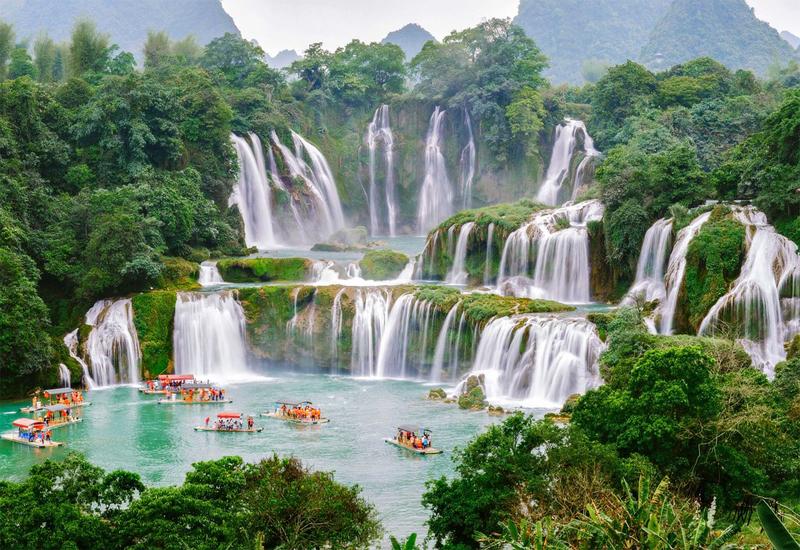
Cao Bang Loop Guide introduces one of Vietnam's most rewarding road trips, offering a quieter and more authentic alternative to many well-known motorcycle routes in the country. Instead of focusing on busy tourist hotspots, the loop showcases vast natural landscapes, peaceful rural communities, and a slower pace of travel that allows visitors to truly appreciate Northeast Vietnam.
What makes the Cao Bang Loop Guide stand out is the balance between adventure and comfort. The roads are scenic without feeling overwhelmingly crowded, making the journey enjoyable for experienced riders, self-drive travelers, families, couples, and photographers alike. Every stretch of the route offers changing views that encourage travelers to slow down and enjoy the experience rather than simply rushing from one attraction to another.
Another reason many travelers choose the Cao Bang Loop Guide is the opportunity to experience local culture in a more genuine setting. Traditional villages, welcoming communities, and everyday rural life create meaningful encounters that are often difficult to find in more commercialized destinations.
Whether you are planning your first motorcycle adventure, a self-drive holiday, or a relaxing road trip through Vietnam's northern mountains, the Cao Bang Loop Guide provides an unforgettable travel experience that combines spectacular scenery, rich cultural encounters, and the freedom to explore at your own pace.
What Is the Cao Bang Loop?
Featured Snippet:
The Cao Bang Loop is a scenic circular road trip through Cao Bang Province in Northeast Vietnam. Starting and ending in Cao Bang City, the route passes mountains, valleys, waterfalls, caves, and traditional villages. Most travelers complete the loop in 2–4 days, depending on their pace and the number of stops.
What is the Cao Bang Loop?
The Cao Bang Loop is a self-guided travel route that showcases the diverse landscapes and cultural heritage of Cao Bang Province. Unlike a single destination, it is a connected journey that allows travelers to experience different types of scenery and local life within one continuous road trip. It can be explored by motorbike, private car, or with an Easy Rider, making it suitable for a wide range of travel styles.
The appeal of the loop lies in the journey itself. Instead of simply driving between attractions, visitors enjoy constantly changing landscapes, peaceful roads, and opportunities to discover authentic villages, local markets, and hidden viewpoints along the way.
Where does the loop start?
Most travelers begin the Cao Bang Loop in Cao Bang City, the province's transportation hub and the easiest place to arrange accommodation, motorbike rentals, fuel, and travel supplies. Since most long-distance buses from Hanoi arrive here, the city serves as the natural starting point for both domestic and international visitors.
The route forms a loop, allowing travelers to return to Cao Bang City at the end of their journey without retracing the entire road.
How long is the route?
The complete Cao Bang Loop is generally 250–350 kilometers, depending on the exact itinerary and optional detours. Most visitors spend 2 to 4 days completing the journey, giving enough time to enjoy the scenery without feeling rushed.
Shorter trips focus on the province's most famous highlights, while longer itineraries allow travelers to explore quieter areas, spend more time in local communities, and enjoy a slower pace of travel.
Why is it becoming popular?
The Cao Bang Loop has gained popularity because it offers a more peaceful alternative to Vietnam's busier northern road trips. Travelers are increasingly looking for destinations with spectacular scenery, lighter traffic, and authentic local experiences rather than crowded tourist routes.
Improved road conditions, growing tourism infrastructure, and social media exposure have also introduced the Cao Bang Loop to a wider international audience. Today, it is recognized as one of Vietnam's most rewarding road trips for nature lovers, photographers, adventure seekers, and anyone wanting to experience the country's northern mountains beyond the usual travel circuit.
Cao Bang Loop Map and Route
Main starting points
Most travelers begin the Cao Bang Loop in Cao Bang City, the province's administrative and transportation center. The city has the widest choice of hotels, motorbike rental shops, fuel stations, restaurants, and convenience stores, making it the most practical place to prepare before starting the journey.
Some visitors arriving from neighboring provinces may also join the route from Pac Bo or Ban Gioc, but these options are less common because they require additional transportation planning. For first-time visitors, starting and ending in Cao Bang City offers the simplest and most efficient experience.
Complete loop overview
The Cao Bang Loop is a circular road trip connecting many of the province's most impressive natural and cultural attractions through well-maintained mountain roads. Instead of following a single highway, the route combines national highways and scenic provincial roads, allowing travelers to experience changing landscapes throughout the journey.
Although every traveler can customize the route, most itineraries are designed to return to Cao Bang City without repeating long sections of road. This makes the journey feel varied while keeping driving distances manageable over several days.
Distance and driving time
The complete Cao Bang Loop typically covers 250–350 kilometers, depending on optional detours and sightseeing stops. Pure driving time is around 8–10 hours, but most travelers divide the trip over two to four days to enjoy viewpoints, local villages, and attractions along the way.
Road conditions are generally good, but mountain roads naturally require slower speeds. It is better to plan shorter driving days rather than trying to cover the entire route in one continuous journey.
| Route | Distance | Driving Time |
|---|---|---|
| Cao Bang City → Ma Phuc Pass | 45 km | 1 hour |
| Ma Phuc Pass → Angel Eye Mountain | 35 km | 1 hour |
| Angel Eye Mountain → Ban Gioc Waterfall | 65 km | 1.5–2 hours |
| Ban Gioc Waterfall → Pac Bo | 95 km | 2.5 hours |
| Pac Bo → Cao Bang City | 55 km | 1.5 hours |
| Complete Cao Bang Loop | 295 km | 8–10 hours (excluding stops) |
Suggested clockwise route
A clockwise route is the most popular choice because it offers a smooth progression from gentle mountain roads to more dramatic scenery before returning through quieter rural landscapes.
A recommended route is:
Cao Bang City → Ma Phuc Pass → Angel Eye Mountain → Phong Nam Valley → Ban Gioc Waterfall → Nguom Ngao Cave → Khuoi Ky Stone Village → Thang Hen Lake → Pac Bo → Cao Bang City
This direction helps reduce unnecessary backtracking while creating a balanced journey that combines mountain passes, limestone valleys, caves, waterfalls, historical landmarks, and traditional villages. It also places major sightseeing stops at comfortable driving intervals, making the Cao Bang Loop suitable for both first-time visitors and experienced road-trip travelers.
Best Cao Bang Loop Itinerary
The ideal Cao Bang Loop itinerary depends on how much time you have and the type of travel experience you want. While it is possible to complete the route in two days, most visitors find that three days offers the best balance between sightseeing and relaxed driving. Travelers with extra time can extend the journey to four days for a slower, more immersive experience.
| Days | Highlights | Best For |
|---|---|---|
| 2 Days | Ban Gioc Waterfall, Nguom Ngao Cave, Angel Eye Mountain, Ma Phuc Pass | Travelers with limited time |
| 3 Days | Ban Gioc, Nguom Ngao, Phong Nam Valley, Angel Eye Mountain, Thang Hen Lake, Pac Bo, Khuoi Ky | First-time visitors |
| 4 Days | Full loop with additional villages, viewpoints, cafés, and cultural experiences | Photographers and slow travelers |
2-Day Loop
A 2-day Cao Bang Loop is ideal for travelers with limited time who still want to experience the province's most iconic scenery. Expect several hours of driving each day, so an early start is recommended to maximize sightseeing opportunities.
The itinerary focuses on the major highlights while keeping detours to a minimum. Although the pace is faster, it still offers impressive mountain landscapes, peaceful rural roads, and enough time to enjoy several of Cao Bang's best-known natural attractions. This option works well for weekend trips or travelers continuing to another destination.
3-Day Loop (Recommended)
A 3-day Cao Bang Loop is the most popular choice and provides the best overall travel experience. With shorter daily driving distances, you have more time to stop for photography, enjoy local food, explore villages, and appreciate the changing landscapes without feeling rushed.
This itinerary creates a balanced journey by combining natural wonders, scenic mountain roads, and cultural experiences over three comfortable days. It also allows greater flexibility if weather or road conditions require minor adjustments. For most first-time visitors, this schedule offers the perfect combination of adventure, relaxation, and sightseeing.
4-Day Loop
Travelers who enjoy slow travel should consider spending four days on the Cao Bang Loop. The extra day allows you to explore beyond the main attractions, discover hidden viewpoints, visit local markets, and spend more time interacting with ethnic minority communities.
A longer itinerary also provides greater flexibility for photography, sunrise or sunset stops, and relaxing evenings in peaceful homestays. Instead of focusing on covering distance, the journey becomes an opportunity to experience everyday life in Northeast Vietnam at a comfortable pace.
For photographers, nature lovers, couples, and anyone seeking a deeper connection with the region, the 4-day Cao Bang Loop delivers the most rewarding and memorable road trip experience.
Best Places to Visit on the Cao Bang Loop
One of the greatest advantages of the Cao Bang Loop is the variety of experiences it offers within a single journey. From spectacular natural wonders to peaceful villages and important cultural sites, each stop reveals a different side of Northeast Vietnam. Rather than spending too much time at one destination, the loop encourages travelers to enjoy the diversity of landscapes and experiences along the route.
Ban Gioc Waterfall
Ban Gioc Waterfall is the signature attraction of the Cao Bang Loop and one of the largest natural waterfalls in Southeast Asia. Visitors come to admire its wide cascades, emerald waters, and dramatic limestone backdrop. Whether viewed from riverside paths or during a boat ride, the waterfall delivers one of the most memorable landscapes in Vietnam and is often considered the highlight of the entire journey.
Nguom Ngao Cave
Located only a short drive from Ban Gioc, Nguom Ngao Cave offers a completely different experience beneath the mountains. A well-maintained walking path leads visitors through impressive chambers filled with enormous stalactites and stalagmites. Comfortable lighting and easy access make it suitable for most travelers, adding a fascinating underground adventure to the Cao Bang Loop without requiring technical hiking.
Angel Eye Mountain
Angel Eye Mountain is famous for its enormous natural hole that passes through the limestone peak, creating one of Vietnam's most recognizable geological landmarks. Surrounded by open grasslands, small lakes, and grazing livestock, the area has become a favorite destination for photographers and drone enthusiasts. The peaceful setting provides a refreshing contrast to the winding mountain roads encountered throughout the loop.
Phong Nam Valley
Known for its tranquil atmosphere, Phong Nam Valley showcases the rural beauty of Cao Bang through rice fields, rivers, traditional villages, and limestone mountains. Unlike busier destinations, the valley encourages visitors to slow down and appreciate everyday local life. Gentle roads, scenic viewpoints, and quiet surroundings make it one of the most relaxing sections of the Cao Bang Loop.
Ma Phuc Pass
Ma Phuc Pass is one of the most scenic mountain roads in Cao Bang and an essential stop for anyone enjoying a road trip. The winding route climbs between towering limestone peaks before revealing panoramic views across the surrounding valleys. Although the drive is relatively short, it perfectly captures the sense of adventure that makes the Cao Bang Loop so enjoyable.
Pac Bo
Pac Bo combines impressive natural scenery with deep cultural significance, making it a unique stop on the Cao Bang Loop. Visitors can enjoy peaceful streams, forested landscapes, and carefully preserved heritage sites within a tranquil environment. The destination appeals not only to those interested in Vietnam's heritage but also to travelers seeking a quieter and more reflective atmosphere.
Thang Hen Lake
Nestled among rugged limestone mountains, Thang Hen Lake is renowned for its calm emerald waters and peaceful surroundings. The lake offers a welcome break from driving, allowing visitors to relax, take photographs, or simply enjoy the fresh mountain air. Its natural beauty changes throughout the day, making every visit feel slightly different depending on the light and season.
Khuoi Ky Stone Village
Khuoi Ky Stone Village is one of the oldest traditional villages in Cao Bang, where distinctive stone houses reflect generations of local craftsmanship and culture. Walking through its narrow lanes offers a glimpse into everyday life while providing opportunities to experience local hospitality. Many travelers choose to spend a night here, making it a memorable cultural stop before continuing the Cao Bang Loop.
How to Travel the Cao Bang Loop
The Cao Bang Loop can be explored in several ways, depending on your driving experience, budget, and travel style. Whether you prefer the freedom of riding a motorbike or the comfort of a private vehicle, each option offers a different experience. Choosing the right transportation will help you enjoy the journey safely and comfortably.
| Transport | Pros | Cons |
|---|---|---|
| Motorbike | Maximum freedom, scenic riding experience, affordable, easy to stop anywhere | Requires riding experience and suitable weather |
| Easy Rider | Local driver, no navigation worries, ideal for beginners | Higher cost than self-riding |
| Private Car | Comfortable, air-conditioned, suitable for families and groups | Less flexible for short photo stops |
| Self-drive Car | Flexible schedule, comfortable for long journeys | Requires confidence on mountain roads and valid driving documents |
Motorbike
A motorbike is the most popular way to experience the Cao Bang Loop. It allows travelers to enjoy panoramic mountain roads, stop at viewpoints whenever they like, and travel at their own pace. Rental shops are widely available in Cao Bang City, offering both manual and semi-automatic motorcycles.
This option is best suited for riders with previous mountain-road experience. Wearing proper safety gear, checking the bike before departure, and avoiding night driving will make the journey much more enjoyable.
Easy Rider
For travelers who want the adventure without the responsibility of riding, an Easy Rider is an excellent choice. An experienced local driver handles the motorcycle while you relax and enjoy the scenery from the back seat.
Easy Rider tours are especially popular among international visitors, solo travelers, and beginners. Local drivers are familiar with road conditions and can also share insights about local culture, helping create a richer travel experience.
Private Car
Hiring a private car with a driver is ideal for families, couples, or small groups seeking comfort and convenience. Modern vehicles provide protection from changing road conditions while allowing passengers to enjoy the scenery without concentrating on driving.
Although this option costs more than a motorbike, it offers a relaxed travel experience and enough luggage space for longer journeys. It is also a practical choice for travelers visiting Cao Bang during cooler or wetter months.
Self-drive Car
A self-drive car offers the flexibility of independent travel combined with greater comfort than a motorcycle. It is well suited to experienced drivers who prefer setting their own schedule and traveling with family or friends.
Most major roads on the Cao Bang Loop are in good condition, but mountain passes include steep climbs, sharp bends, and occasional narrow sections. Drivers should maintain moderate speeds, stay alert on curves, and ensure they carry the appropriate driving license and insurance before beginning the trip.
Road Conditions and Difficulty
The Cao Bang Loop is considered one of the most enjoyable road trips in northern Vietnam, with generally good road conditions and spectacular mountain scenery. While the route is suitable for most travelers, it still requires careful driving on winding roads and mountain passes. Preparing in advance will help ensure a safer and more comfortable journey.
Road quality
Most roads along the Cao Bang Loop are paved and well maintained, particularly the national highways connecting major attractions. Smooth road surfaces make the route accessible for motorbikes, private cars, and small vans throughout much of the year.
However, some rural roads leading to viewpoints, villages, or lesser-known attractions may be narrower and less even. Drivers should reduce speed in these areas, especially after heavy rain when loose gravel or small potholes may appear.
Mountain passes
Mountain roads are one of the highlights of the Cao Bang Loop, offering sweeping views of limestone peaks and deep valleys. Passes such as Ma Phuc Pass feature a series of curves and moderate climbs that reward travelers with impressive scenery.
Although these roads are not considered extremely difficult, they demand steady driving and full attention. Beginners should take corners slowly, avoid overtaking on blind bends, and leave extra time to enjoy the journey rather than rushing between destinations.
Petrol stations
Fuel is generally easy to find on the main roads throughout the Cao Bang Loop. Petrol stations are available in Cao Bang City, district towns, and along most major highways, making it convenient to refuel during the trip.
Even so, services become less frequent in remote mountain areas. It is a good habit to refill the tank whenever it drops below half, especially before driving through quieter sections where the next station may be many kilometers away.
Mobile signal
Mobile coverage on the Cao Bang Loop is reliable in cities, towns, and most populated areas. Travelers can usually access mobile data for navigation, communication, and online bookings without difficulty.
Signal strength may weaken temporarily in deep valleys or isolated mountain sections. Downloading offline maps before departure is strongly recommended, ensuring you can continue navigating even if the mobile connection becomes unstable for a short period.
Where to Stay Along the Cao Bang Loop
Choosing the right place to stay can make your Cao Bang Loop more comfortable and enjoyable. Most travelers spend one or two nights along the route, with accommodation ranging from modern hotels in the city to traditional homestays in rural villages. The best option depends on your itinerary, travel style, and how much time you want to spend exploring each area.
| Area | Best for | Recommended Stay |
|---|---|---|
| Cao Bang City | First and last night, restaurants, services | Hotels, boutique hotels, guesthouses |
| Khuoi Ky Stone Village | Cultural experience, traditional architecture | Stone homestays, family-run homestays |
| Ban Gioc | Early waterfall visit, nature lovers | Hotels, eco-lodges, riverside homestays |
| Pac Bo | Quiet countryside, historical sightseeing | Guesthouses, local homestays |
Cao Bang City
Cao Bang City is the most convenient place to begin and end the Cao Bang Loop. It offers the largest selection of accommodation, from budget guesthouses to comfortable boutique hotels. Travelers can also find restaurants, cafés, supermarkets, motorbike rental shops, and fuel stations within a short distance.
Staying here before departure gives you plenty of time to prepare for the road trip, while returning to the city on the final night provides easy access to buses and other onward transportation.
Khuoi Ky
For a more authentic experience, Khuoi Ky Stone Village is one of the best overnight stops on the Cao Bang Loop. Traditional stone houses have been converted into welcoming homestays, allowing visitors to experience local hospitality in a peaceful mountain setting.
Many accommodations serve home-cooked regional dishes and provide a quiet atmosphere after a full day of sightseeing. Spending the night here also offers the chance to enjoy the village in the early morning before day visitors arrive.
Ban Gioc
Staying near Ban Gioc Waterfall is ideal for travelers who want to visit the waterfall early in the morning or later in the afternoon when it is generally quieter. Accommodation options include small hotels, eco-lodges, and family-run homestays surrounded by beautiful natural scenery.
The area is also a convenient base for visiting nearby attractions without needing to return to Cao Bang City the same day.
Pac Bo
Pac Bo offers a peaceful overnight stop for travelers who prefer a slower pace. Accommodation is simpler than in Cao Bang City but comfortable enough for most visitors, with guesthouses and local homestays located close to the main sightseeing area.
Choosing to stay here allows you to explore the surrounding countryside without rushing, while enjoying a quiet evening in one of the most tranquil parts of the Cao Bang Loop.
What to Eat During the Cao Bang Loop
One of the highlights of the Cao Bang Loop is the opportunity to enjoy authentic local cuisine between scenic drives. The province is known for simple yet flavorful dishes prepared with fresh regional ingredients and traditional cooking methods. Stopping at local restaurants or family-run eateries is an excellent way to experience the culture while recharging for the next part of the journey.
Roasted Duck
Cao Bang roasted duck is one of the province's signature specialties. The duck is marinated with local spices before being slowly roasted until the skin becomes crisp and golden while the meat remains tender and juicy. It is commonly served with steamed rice or fresh herbs, making it a satisfying meal after a day on the road.
Sour Pho
Unlike the familiar noodle soup found elsewhere in Vietnam, sour pho (Pho Chua) is a refreshing dry noodle dish with a distinctive sweet-and-sour dressing. It is typically topped with roasted duck, roasted peanuts, fresh herbs, crispy fried shallots, and sliced vegetables. The combination of textures and flavors makes it one of the most unique dishes travelers can try during the Cao Bang Loop.
Banh Cuon
Cao Bang banh cuon differs from versions served in other regions. Thin rice rolls are usually enjoyed with a light, savory bone broth instead of fish sauce, creating a warm and comforting breakfast. The dish is often accompanied by minced pork, fried shallots, and local herbs, making it a popular choice before setting off on another day of driving.
Smoked Pork
Smoked pork is a traditional food prepared by many ethnic minority communities in Cao Bang. The meat is seasoned with mountain herbs before being slowly smoked over wood fires for several weeks, producing a rich aroma and firm texture. It is commonly served with sticky rice or stir-fried vegetables and is also a popular local specialty to take home as a souvenir.
Sticky Rice
Sticky rice is an essential part of everyday meals throughout Cao Bang. Depending on the season, it may be steamed with natural forest leaves, colorful local plants, or mountain beans, giving it distinctive colors and subtle flavors. Whether served alongside grilled meat, roasted duck, or eaten on its own, sticky rice provides a filling and authentic taste of local cuisine during the Cao Bang Loop.
Estimated Budget
The Cao Bang Loop is one of the most affordable road trips in northern Vietnam. Daily expenses vary depending on your transportation, accommodation, and travel style, but even a comfortable trip remains reasonably priced compared with many other popular destinations. Planning your budget in advance helps you estimate total costs and avoid unexpected expenses during the journey.
| Budget Type | Estimated Cost/Day |
|---|---|
| Budget | USD 35–55 |
| Mid-range | USD 60–100 |
| Comfort | USD 110–180+ |
The largest expense for most travelers is transportation. Motorbike rental typically costs USD 10–20 per day, depending on the motorcycle model and rental company. Travelers choosing an Easy Rider or private car should expect significantly higher daily transportation costs.
Fuel is relatively inexpensive. A full day of riding the Cao Bang Loop usually requires USD 3–8 worth of petrol, depending on the distance traveled and the motorcycle's fuel efficiency.
Accommodation is available for every budget. Homestays and guesthouses generally range from USD 15–30 per night, while comfortable hotels usually cost USD 30–60. Boutique hotels and eco-lodges may charge more, especially near popular attractions.
Food is another affordable part of the journey. Local restaurants serve generous meals for around USD 3–8 per person, while specialty dishes or larger dinners generally cost USD 10–15. Travelers eating exclusively at local restaurants can easily enjoy excellent food without spending much.
Most attractions on the Cao Bang Loop charge modest entrance fees, typically between USD 2–5 per site. Even when visiting several attractions over multiple days, admission costs remain a relatively small part of the overall budget.
Overall, a traveler completing a 3-day Cao Bang Loop by motorbike can comfortably expect to spend approximately USD 180–300, including motorbike rental, fuel, accommodation, meals, entrance tickets, and basic daily expenses. Choosing luxury accommodation, hiring a private driver, or joining a guided tour will naturally increase the total cost.
Practical Travel Tips
A little preparation can make your Cao Bang Loop much safer and more enjoyable. Although the route is relatively easy to navigate, mountain roads and remote areas require travelers to plan ahead. The following tips will help you avoid common problems and make the most of your road trip.
Download offline maps
Mobile navigation works well in most areas, but signal strength can weaken in remote valleys and mountain passes. Download offline maps before leaving Cao Bang City so you can continue navigating even without an internet connection. Mark your accommodation, fuel stations, and major attractions in advance to make the journey smoother.
Carry cash
While hotels and larger restaurants may accept card payments or bank transfers, many local eateries, cafés, and small shops only accept cash. Carrying enough Vietnamese Dong for meals, entrance tickets, fuel, and small purchases will help avoid unnecessary inconvenience, especially in rural areas.
Start early
Beginning your day early allows you to enjoy quieter roads, cooler temperatures, and better lighting for photography. It also provides extra flexibility if you decide to stop at scenic viewpoints or spend more time exploring along the Cao Bang Loop. Whenever possible, avoid driving after dark on unfamiliar mountain roads.
Check the weather
Before setting off each morning, check the latest weather forecast. Heavy rain or dense fog can reduce visibility and make mountain roads more challenging. If conditions become unfavorable, adjust your schedule rather than rushing to keep your original plan.
Refuel often
Fuel stations are available along the main roads, but they become less frequent in remote areas. Refill your tank whenever it falls below half, even if you expect another station ahead. This simple habit reduces the risk of running low on fuel during longer mountain stretches.
Bring rain gear
Weather in northern Vietnam can change quickly, especially in mountainous regions. A lightweight waterproof jacket, rain cover for your backpack, and waterproof phone pouch can keep you comfortable if unexpected showers occur during the journey.
Respect border regulations
Several sections of the Cao Bang Loop are close to the Vietnam–China border. Stay on public roads, follow local regulations, and avoid entering restricted areas or flying drones where prohibited. Respecting these rules ensures a safe and hassle-free trip.
Wear protective gear
Whether riding your own motorbike or joining an Easy Rider tour, always wear a quality helmet and appropriate riding gear. Closed-toe shoes, gloves, and a light jacket provide additional protection and make long hours on the road more comfortable.
Common Mistakes
Although the Cao Bang Loop is suitable for most travelers, a few common mistakes can reduce the overall experience or even create unnecessary risks. With careful planning and realistic expectations, you can enjoy a safer, smoother, and more memorable road trip.
Planning too many destinations
Many first-time visitors try to include every attraction in a short itinerary. This often leads to long driving days, limited sightseeing time, and unnecessary fatigue. Instead, choose a realistic schedule that allows time to enjoy each destination without constantly watching the clock.
Driving after dark
Mountain roads become much more challenging after sunset due to reduced visibility, sharp bends, and limited street lighting. Livestock and local vehicles may also be harder to spot. Whenever possible, plan to reach your accommodation before nightfall and avoid riding unfamiliar roads in the dark.
Not checking fuel
Although petrol stations are available along most main roads, they are less common in remote mountain areas. Waiting until the fuel tank is almost empty can create unnecessary stress. Refill whenever you pass a station and keep the tank above half during longer sections of the Cao Bang Loop.
Visiting in heavy rain
Heavy rainfall can reduce visibility, make roads slippery, and occasionally cause minor landslides in mountainous areas. If severe weather is forecast, consider adjusting your itinerary or delaying your departure rather than continuing in unsafe conditions.
Ignoring weather forecasts
Mountain weather can change quickly throughout the day. Leaving without checking the forecast may result in unexpected rain or fog during long drives. Reviewing the weather each morning allows you to plan your route more effectively and pack suitable clothing.
Not booking accommodation during weekends
Hotels and homestays near popular attractions can fill up quickly on weekends and public holidays. Waiting until the last minute may leave you with fewer choices or higher prices. Booking in advance provides greater flexibility and peace of mind.
Skipping local food
Some travelers focus only on the scenery and miss one of the highlights of the Cao Bang Loop—its regional cuisine. Sampling traditional dishes at local restaurants adds another dimension to the journey and offers a better understanding of local culture.
Underestimating travel time
Distances on the map may appear short, but mountain roads require slower speeds and frequent photo stops. Allow extra time between destinations instead of planning according to highway driving times. A relaxed schedule makes the journey far more enjoyable than trying to rush through the route.
Cao Bang Loop vs Ha Giang Loop
Choosing between the Cao Bang Loop and the Ha Giang Loop is one of the most common questions for travelers planning a northern Vietnam road trip. Both routes feature spectacular mountain scenery and rich local cultures, but they offer noticeably different travel experiences. Your decision should depend on the type of adventure you are looking for rather than assuming one route is objectively better.
| Criteria | Cao Bang Loop | Ha Giang Loop |
|---|---|---|
| Crowds | Generally quieter with fewer tour groups | Much busier, especially during peak season |
| Scenery | Waterfalls, lakes, valleys, caves, limestone mountains | Dramatic mountain passes, deep canyons, high plateaus |
| Difficulty | Moderate, suitable for most travelers | More challenging with steeper mountain roads |
| Roads | Mostly wide, well-paved, and comfortable | More winding passes and technical sections |
| Waterfalls | Home to Ban Gioc Waterfall, Vietnam's most famous waterfall | Few major waterfalls |
| Culture | Peaceful villages and authentic local life | Vibrant ethnic markets and mountain communities |
| Budget | Similar overall travel costs | Similar overall travel costs |
| Best For | Families, photographers, first-time road trippers, relaxed travelers | Experienced riders, adventure seekers, motorbike enthusiasts |
One of the biggest differences is the atmosphere. The Cao Bang Loop remains relatively peaceful, allowing travelers to enjoy scenic roads without heavy traffic or crowded viewpoints. In contrast, the Ha Giang Loop has become one of Vietnam's most popular motorcycle routes, attracting large numbers of both domestic and international visitors throughout the year.
The landscapes are also distinct. The Ha Giang Loop is famous for its dramatic mountain passes and rugged limestone plateaus, creating an exciting riding experience. Meanwhile, the Cao Bang Loop offers greater geographical diversity, combining waterfalls, caves, rivers, valleys, lakes, forests, and mountain roads within a single journey.
Road difficulty is another important consideration. Although both routes require careful driving, the Cao Bang Loop generally features gentler gradients, wider roads, and fewer highly technical mountain passes. This makes it a more comfortable choice for first-time riders, families, and travelers exploring by private car.
Travelers interested in iconic natural attractions may also prefer the Cao Bang Loop, as it includes landmarks such as Ban Gioc Waterfall, one of Southeast Asia's largest natural waterfalls, alongside caves, tranquil lakes, and picturesque valleys. These varied landscapes create a balanced itinerary that appeals to photographers and nature lovers alike.
Ultimately, there is no universal winner. If your priority is a challenging motorcycle adventure with famous mountain passes, the Ha Giang Loop is an excellent choice. If you prefer a quieter road trip featuring a wider variety of natural scenery, authentic villages, and a more relaxed pace, the Cao Bang Loop offers one of the most rewarding travel experiences in northern Vietnam.
Who Should Choose the Cao Bang Loop?
The Cao Bang Loop appeals to a wide variety of travelers thanks to its combination of spectacular landscapes, peaceful roads, and authentic cultural experiences. Whether you are seeking adventure, photography opportunities, or a relaxing road trip, the route can easily be adapted to different travel styles.
Photographers will appreciate the diversity of scenery, from dramatic mountain passes and emerald lakes to waterfalls, caves, and traditional villages. The changing landscapes throughout the journey provide countless opportunities for landscape, drone, and cultural photography.
For couples, the Cao Bang Loop offers a peaceful escape from crowded tourist destinations. Quiet mountain roads, charming homestays, and beautiful natural scenery create a relaxing atmosphere for a memorable road trip together.
Families can also enjoy the loop, especially when traveling by private car. The roads are generally in good condition, driving distances are manageable, and many attractions are suitable for visitors of all ages.
The route remains a favorite among motorbike riders. Smooth roads, scenic mountain passes, and relatively light traffic provide an enjoyable riding experience without the intensity of some other northern Vietnam motorcycle routes.
Nature lovers will find endless opportunities to explore waterfalls, rivers, limestone mountains, forests, caves, and valleys. The remarkable variety of landscapes is one of the reasons many travelers consider the Cao Bang Loop one of Vietnam's most beautiful road trips.
For history lovers, the journey includes destinations that showcase the region's cultural and historical significance alongside its natural beauty, creating a more diverse travel experience than a typical scenic drive.
Finally, the Cao Bang Loop is an excellent choice for foreign travelers looking to explore northern Vietnam beyond the usual tourist trail. With improving infrastructure, welcoming local communities, and several transportation options—including motorbike, Easy Rider, and private car—the route is accessible to both independent travelers and guided tour participants.
Conclusion
The Cao Bang Loop Guide showcases why this road trip is increasingly recognized as one of the finest travel experiences in Northeast Vietnam. Combining spectacular mountain landscapes, peaceful valleys, impressive waterfalls, fascinating caves, traditional villages, and authentic local culture, the route offers far more variety than many travelers expect from a single journey.
Whether you are a photographer searching for dramatic scenery, a couple planning a memorable road trip, a family seeking a comfortable self-drive adventure, a motorbike enthusiast, or a traveler who enjoys nature and culture, the Cao Bang Loop provides an experience that suits a wide range of travel styles.
If you are planning your trip, continue exploring our detailed guides to Ban Gioc Waterfall, Nguom Ngao Cave, Angel Eye Mountain, Phong Nam Valley, Pac Bo, Thang Hen Lake, Ma Phuc Pass, Khuoi Ky Stone Village, and other destinations featured along the Cao Bang Loop. These in-depth articles will help you build the perfect itinerary and make the most of every day on one of Vietnam's most rewarding road trips.