


Best Time to Visit Cao Bang: A Complete Guide for Every Season
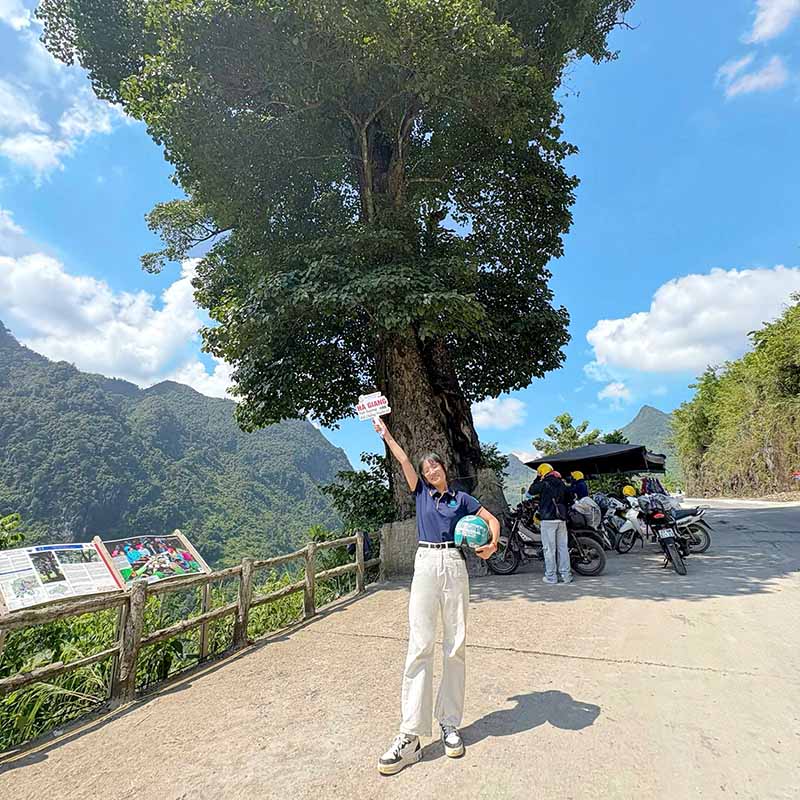
Best Time to Visit Cao Bang depends less on finding a single perfect season and more on choosing the experience that matches your travel style. Unlike destinations with only one peak season, Cao Bang offers something different throughout the year, making it a rewarding place to visit in every season.
Some travelers come for the powerful waterfalls and lush landscapes, while others prefer peaceful mountain roads, golden rice fields, colorful local festivals, or quiet valleys with fewer visitors. Because each season highlights a different side of the province, there is no universal "best" time that suits everyone.
Planning your trip around your priorities will help you enjoy Cao Bang far more than simply following the busiest travel months. Whether you are interested in photography, motorbike adventures, nature, culture, or family holidays, the right timing can completely change your experience.
This guide explains when to visit Cao Bang for different travel goals, compares the seasons month by month, and helps you decide which period best fits your itinerary, interests, and expectations before you start planning your journey.
Best Time to Visit Cao Bang at a Glance
Featured Snippet
The best time to visit Cao Bang is from September to November and March to May, when the weather is pleasant, waterfalls are beautiful, and mountain landscapes are at their best. These months offer comfortable temperatures, good road conditions, and diverse scenery, making them ideal for sightseeing, photography, hiking, and motorbike trips. However, Cao Bang remains a year-round destination, with each season offering unique experiences depending on your travel interests.
While autumn and spring are generally considered the most balanced seasons, there is no single best time for every traveler. Summer brings lush landscapes and powerful waterfalls after seasonal rains, making it an excellent choice for nature lovers. Winter, on the other hand, offers crisp air, morning mist, and peaceful attractions with fewer tourists.
Instead of choosing a month based only on weather, think about what you want to experience. Whether your priority is photography, local festivals, scenic drives, or visiting famous attractions, selecting the right season will make your trip far more rewarding.
| Season | Months | Average Temperature | Average Rainfall | Advantages | Disadvantages |
|---|---|---|---|---|---|
| Spring | March–May | 18–28°C | Low to moderate | Pleasant climate, blooming landscapes, comfortable sightseeing | Occasional light showers |
| Summer | June–August | 24–32°C | Highest | Full waterfalls, lush scenery, vibrant greenery | Heavy rain may affect mountain roads |
| Autumn | September–November | 18–27°C | Moderate, decreasing | Golden rice fields, clear skies, ideal road conditions | Popular attractions can be busier |
| Winter | December–February | 8–20°C | Lowest | Quiet atmosphere, misty mountains, fewer visitors | Cold mornings and occasional dense fog |
Understanding Cao Bang's Climate
Cao Bang has a humid subtropical climate with four distinct seasons, but the weather is strongly influenced by its mountainous terrain and elevation. Conditions can change noticeably between valleys and higher mountain areas, especially during early mornings and evenings. Understanding these seasonal patterns makes it easier to choose the most suitable time for your trip and prepare appropriate clothing.
Spring (March–May)
Spring marks the transition from the cool winter months to warmer days. Average temperatures range from 18°C to 28°C, creating comfortable conditions for outdoor activities. Rainfall gradually increases but is usually light and short-lived, with long periods of dry weather between showers.
Morning mist is common, especially in valleys and low-lying areas, before clearing as the day warms. Humidity remains moderate, and the air generally feels fresh without becoming overly hot. Spring weather is relatively stable, making it one of the most comfortable seasons of the year.
Summer (June–August)
Summer is the warmest and wettest season in Cao Bang. Daytime temperatures typically range between 24°C and 32°C, while humidity rises significantly. This period receives the highest annual rainfall, with occasional heavy afternoon showers and thunderstorms.
Fog appears less frequently than in other seasons, although mist may still form after overnight rain. Weather conditions can change quickly during the day, shifting from sunshine to rain within a few hours. Travelers should expect warm, humid conditions and occasional disruptions caused by seasonal rainfall.
Autumn (September–November)
Autumn is widely regarded as the most balanced season in terms of climate. Temperatures usually range from 18°C to 27°C, while rainfall decreases steadily after the summer months. Humidity also becomes lower, creating clearer skies and more comfortable conditions.
Morning mist may still occur, particularly in October and early November, but it usually disappears soon after sunrise. Days are often dry with gentle sunshine, while evenings become noticeably cooler. Overall, autumn offers stable weather with pleasant day-to-night temperature differences.
Winter (December–February)
Winter is the coldest and driest season in Cao Bang. Temperatures generally range from 8°C to 20°C, although higher elevations can occasionally experience temperatures close to freezing during cold fronts. Rainfall is minimal, and extended dry periods are common.
Dense morning fog is more frequent during winter, especially in mountain valleys, sometimes reducing visibility until late morning. The air is crisp and dry, with cool afternoons and cold nights. Warm clothing is essential, particularly for early departures and overnight stays in mountainous areas.
Best Time for Different Travel Experiences
The best time to visit Cao Bang also depends on what you want to experience. Some months are ideal for dramatic natural scenery, while others are better for outdoor adventures or cultural activities. Choosing your travel dates based on your priorities will help you make the most of your trip.
For Waterfalls
If your main goal is to see waterfalls at their most impressive, September and October are usually the best months to visit. Seasonal rainfall keeps the water flowing strongly, while the weather becomes more stable than during midsummer. The scenery is lush, rivers are full, and visibility is generally good, making these months a balanced choice for enjoying powerful waterfalls without the heaviest rain.
For Rice Fields
For travelers hoping to see golden rice fields, late September through early October is the ideal period. This is when many terraced fields and valley farms approach harvest season, creating vibrant yellow landscapes. If you prefer fresh green rice fields instead, consider visiting between late May and July, when young rice plants cover the countryside with bright shades of green.
For Hiking
The best months for hiking are March to May and October to November. Temperatures are comfortable, humidity is lower than in midsummer, and trails are generally easier to walk after extended dry periods. These seasons also reduce the likelihood of heavy rain, making outdoor activities more enjoyable and minimizing slippery conditions on mountain paths.
For Photography
Photography enthusiasts will find excellent opportunities during September to November and March to April. Autumn often brings clear skies, soft natural light, and colorful rural landscapes, while spring offers fresh vegetation and gentle morning mist. These months provide favorable lighting conditions throughout the day, making them suitable for both landscape photography and sunrise or sunset shoots.
For Motorbike Trips
For scenic motorbike journeys, October, November, March, and April are typically the safest and most comfortable months. Roads are generally drier than during the rainy season, visibility is better, and daytime temperatures remain pleasant for long rides. While mountain weather can change unexpectedly, these months usually provide the most reliable driving conditions across the province.
For Cultural Experiences
If you want to experience local traditions and community celebrations, January to March is often the most rewarding period. Many ethnic communities celebrate traditional festivals after the Lunar New Year, creating opportunities to observe local customs, music, performances, and seasonal ceremonies. As festival dates follow the lunar calendar, checking the schedule before your trip is recommended.
Month-by-Month Guide
January
January is one of the coldest months, with cool days, chilly mornings, and occasional fog. It is a good time for travelers who enjoy peaceful surroundings and fewer crowds, but warm clothing is essential for early starts and evenings.
February
February remains cool and relatively dry, while local communities begin celebrating traditional festivals after the Lunar New Year. It is recommended for visitors interested in cultural experiences, although festival dates vary each year according to the lunar calendar.
March
March brings milder temperatures and fresh spring scenery. Rainfall is still limited, making outdoor activities more comfortable. It is one of the best months for travelers who want pleasant conditions without the larger visitor numbers of autumn.
April
April offers warm but comfortable weather, longer daylight hours, and generally stable conditions. It is highly recommended for sightseeing, hiking, and scenic road trips before the rainy season gradually begins later in spring.
May
May marks the transition into summer. Temperatures rise, and rainfall becomes more frequent, but landscapes remain fresh and green. It is still a good month to visit if you do not mind occasional afternoon showers.
June
June is warm, humid, and wetter than previous months. Short but heavy rain showers become more common, especially in the afternoon. Visit if you enjoy lush natural scenery, but be prepared for changing weather conditions.
July
July is usually the wettest month of the year. Rivers and waterfalls reach impressive levels, but heavy rainfall can occasionally affect travel plans. It is suitable for flexible itineraries rather than tightly scheduled trips.
August
August continues the rainy season, although weather patterns gradually become more stable toward the end of the month. Travelers should monitor forecasts carefully, as heavy rain may still occur in mountainous areas.
September
September is widely considered one of the best months to visit Cao Bang. Rainfall decreases, temperatures become comfortable, and the landscape remains lush after summer. It is highly recommended for first-time visitors and photographers.
October
October combines pleasant weather with clear skies and comfortable temperatures. Road conditions are generally reliable, making it an excellent month for motorbike trips, outdoor activities, and longer itineraries throughout the province.
November
November is cool, dry, and less humid than previous months. Visibility is often excellent, and weather conditions remain stable. It is an ideal choice for travelers who prefer comfortable temperatures and quieter experiences before winter arrives.
December
December brings cooler air, dry weather, and more frequent morning mist. While temperatures can be low, the peaceful atmosphere appeals to visitors looking to avoid peak travel periods. Packing warm layers is recommended, especially for mountain mornings.
Rainy Season vs Dry Season
Cao Bang is often divided into two main travel periods: the dry season from October to April and the rainy season from May to September. Neither season is better in every aspect. The right choice depends on whether you value stable travel conditions or dramatic natural scenery.
| Feature | Dry Season (October–April) | Rainy Season (May–September) |
|---|---|---|
| Weather | Cooler, drier, and more stable with lower humidity. | Warmer, more humid, with frequent afternoon showers and occasional thunderstorms. |
| Road Conditions | Generally dry and easier to drive, especially on mountain roads. | Wet roads may become slippery, particularly after heavy rainfall. |
| Waterfalls | Water levels are lower but still scenic during autumn and early winter. | Waterfalls are at their most powerful, especially from July to September. |
| Trekking | Better trail conditions with less mud and more comfortable temperatures. | Trails can become muddy and slippery after rain. |
| Photography | Clear skies, better visibility, and softer natural light in autumn and winter. | Vibrant green landscapes and dramatic clouds, though rain may limit visibility. |
| Travel Costs | Prices are generally higher during popular travel periods and holidays. | Accommodation may be more affordable outside weekends and peak domestic holidays. |
The dry season is the better choice for first-time visitors, families, photographers, and anyone planning long road trips. Stable weather, comfortable temperatures, and reliable road conditions make it easier to follow a fixed itinerary without major disruptions.
The rainy season is more suitable for travelers who want to experience lush mountain scenery, full rivers, and impressive waterfalls. While flexibility is important because of changing weather conditions, this season rewards nature lovers with vibrant landscapes that look very different from the drier months.
Ultimately, the best season depends on your travel priorities. Choose the dry season for convenience, comfort, and outdoor exploration, or the rainy season if your goal is to experience Cao Bang at its greenest and most dramatic.
What to Pack for Each Season
Packing for Cao Bang is relatively straightforward, but the right clothing and gear depend on the season you visit. Temperatures, humidity, and rainfall vary throughout the year, so preparing accordingly will make your trip more comfortable.
Spring (March–May)
Spring weather is mild, with occasional light rain and cool mornings. Pack lightweight clothing along with a light jacket for early mornings and evenings. Comfortable walking or hiking shoes are recommended for outdoor activities. Carry basic medications, sunscreen, sunglasses, and insect repellent. A compact umbrella or lightweight rain jacket is useful for unexpected showers.
Summer (June–August)
Summer is hot, humid, and rainy, so breathable clothing that dries quickly is the best choice. Wear waterproof trekking shoes or sandals with good grip for wet conditions. Bring personal medications, mosquito repellent, sunscreen, and a reusable water bottle to stay hydrated. A waterproof jacket, poncho, and backpack rain cover are highly recommended during this season.
Autumn (September–November)
Autumn offers pleasant temperatures with cooler mornings and evenings. Pack light clothing for daytime and a thin sweater or windbreaker for later in the day. Comfortable walking shoes are suitable for most activities. Don't forget sunscreen, sunglasses, and a small first-aid kit. A foldable rain jacket is still worth carrying, especially in September.
Winter (December–February)
Winter requires warmer clothing, particularly if you plan to start early or stay overnight in mountainous areas. Bring thermal layers, a warm jacket, long trousers, gloves, and a scarf for cold mornings. Closed-toe shoes with good traction provide extra comfort on damp ground. Basic cold medicine, lip balm, moisturizer, and a small umbrella are also useful, even though rainfall is relatively low.
Travel Tips by Season
Each season in Cao Bang requires a slightly different travel approach. A few practical preparations can make your trip more comfortable and help you avoid unnecessary disruptions.
Spring (March–May)
Spring is one of the easiest seasons to travel, but temperatures can vary noticeably between morning and afternoon. Dress in light layers so you can adjust throughout the day. If you plan to explore early in the morning, allow extra time because mist may reduce visibility on mountain roads. Booking accommodation a few weeks ahead is also recommended during weekends and public holidays.
Summer (June–August)
Summer weather can change quickly, with sunshine followed by heavy rain within a short time. Check the daily forecast before setting out and avoid riding long mountain routes during thunderstorms. Start outdoor activities early in the morning to avoid the hottest hours, and always carry enough drinking water to stay hydrated throughout the day.
Autumn (September–November)
Autumn is the most popular travel season, so accommodation and transportation may fill up quickly, especially in October. Reserve hotels and private transfers in advance if you are traveling on weekends. Temperatures are comfortable during the day, but evenings can be noticeably cooler, so a light jacket is still useful.
Winter (December–February)
Winter mornings are often cold and foggy, especially in higher elevations. If you are driving or riding a motorbike, consider starting your journey slightly later to improve visibility. Wear warm layers instead of one heavy coat, as daytime temperatures usually become more comfortable. Moisturizer and lip balm are also worth packing because the dry mountain air can cause dry skin and chapped lips.
Common Mistakes When Choosing Travel Time
Choosing the wrong travel season can affect your overall experience more than many visitors expect. These common mistakes are easy to avoid with a little planning.
Only Visiting in Peak Season
Many travelers assume that September and October are the only worthwhile months to visit. While these months offer excellent conditions, spring, summer, and winter each provide unique experiences. Choosing a season based on your interests is usually more rewarding than simply following the busiest travel period.
Ignoring Rainfall Forecasts
Checking only the monthly average weather is not enough during the rainy season. Heavy showers are often short-lived but can temporarily affect mountain roads and outdoor plans. Reviewing the local forecast a day or two before departure helps you adjust your itinerary if necessary.
Expecting Golden Rice Fields All Year
Golden rice fields are seasonal and usually appear only for a limited period before harvest. Visiting outside that window does not mean the scenery is disappointing—it simply changes with the seasons. Research the farming calendar if rice-field photography is one of your priorities.
Underestimating Winter Temperatures
Many visitors expect northern Vietnam to stay warm throughout the year. In Cao Bang, winter mornings and evenings can feel surprisingly cold, especially in higher elevations. Packing only light clothing may leave you uncomfortable during early departures or overnight stays.
Forgetting Weekend Crowds
Even outside national holidays, weekends often attract domestic travelers to popular destinations. If you prefer quieter experiences, consider visiting from Monday to Thursday, when attractions, accommodations, and roads are generally less crowded.
Booking Accommodation Too Late
Hotels, homestays, and private transportation can fill quickly during autumn, public holidays, and festival periods. Waiting until the last minute may limit your choices or increase costs. Booking several weeks in advance is recommended for popular travel dates.
Wearing Unsuitable Clothing
Mountain weather can change throughout the day, so clothing that works in the morning may feel uncomfortable by afternoon. Lightweight layers, comfortable walking shoes, and basic rain protection are usually more practical than packing for only one type of weather.
Conclusion
Best Time to Visit Cao Bang ultimately depends on the kind of journey you want to have rather than a single perfect month. For most travelers, September to November and March to May offer the best balance of comfortable weather, beautiful scenery, and reliable travel conditions. These seasons are ideal for first-time visitors looking for a well-rounded experience.
That said, every season has its own appeal. Summer is the best choice if you want lush landscapes and powerful waterfalls, while winter suits travelers who prefer peaceful surroundings, cool mountain air, and fewer crowds. Matching your travel dates with your interests will always lead to a more rewarding trip than simply following the peak tourist season.
Use this guide to choose the season that fits your travel style, then start planning your itinerary with confidence. With the right timing, Cao Bang can offer memorable experiences at any time of the year.
Conclusion
Best Time to Visit Cao Bang ultimately depends on the kind of journey you want to have rather than a single perfect month. For most travelers, September to November and March to May offer the best balance of comfortable weather, beautiful scenery, and reliable travel conditions. These seasons are ideal for first-time visitors looking for a well-rounded experience.
That said, every season has its own appeal. Summer is the best choice if you want lush landscapes and powerful waterfalls, while winter suits travelers who prefer peaceful surroundings, cool mountain air, and fewer crowds. Matching your travel dates with your interests will always lead to a more rewarding trip than simply following the peak tourist season.
Use this guide to choose the season that fits your travel style, then start planning your itinerary with confidence. With the right timing, Cao Bang can offer memorable experiences at any time of the year.